What is Advanced Manufacturing and How is it Transforming Industries?
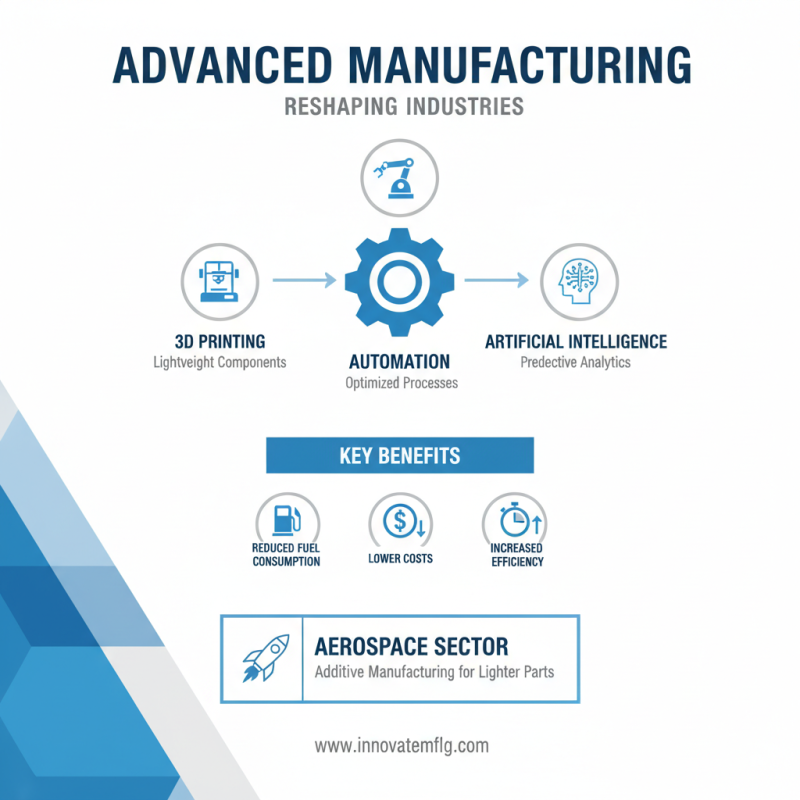
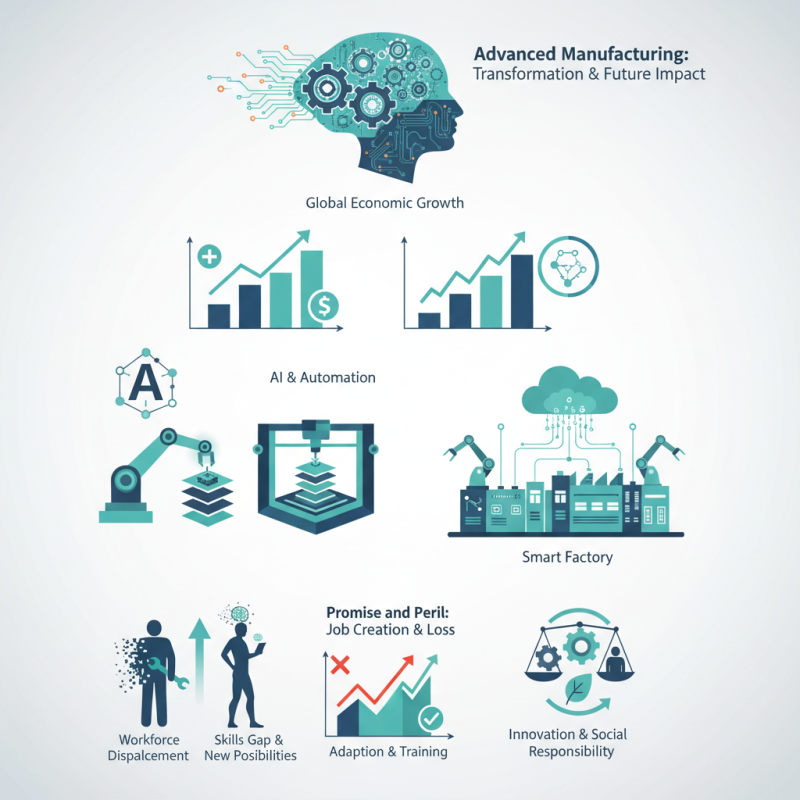
Advanced manufacturing is reshaping industries worldwide. According to a recent report by Deloitte, it could add $3.7 trillion to the global economy by 2025. This innovative approach encompasses technologies like automation, 3D printing, and artificial intelligence. While these advancements enhance efficiency, they also raise questions about workforce displacement and the skills gap.
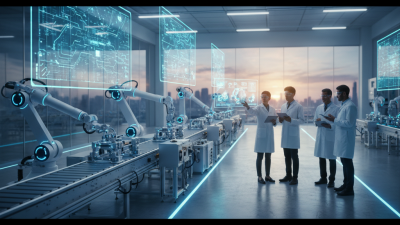
Experts like Dr. Lisa Smith, a leading figure in advanced manufacturing, emphasize its potential. She once stated, “Advanced manufacturing is not just about machines; it’s about creating new possibilities.” Industries are experimenting with smart factories and data analytics, significantly improving production processes. Yet, the challenge remains for companies to adapt and train their workforce accordingly.
The shift to advanced manufacturing offers both promise and peril. While it boosts output and reduces costs, it may also lead to job losses in traditional sectors. Organizations need to reflect on their role in this transformation. Balancing innovation with social responsibility is essential for a sustainable future in the manufacturing landscape.
Defining Advanced Manufacturing: Key Features and Technologies
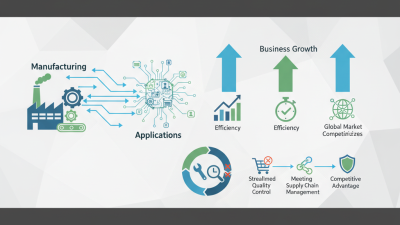
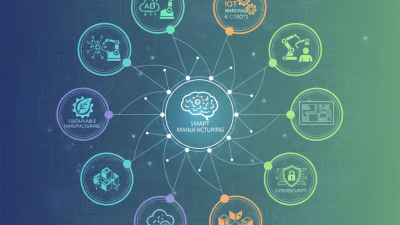
Advanced manufacturing is reshaping various industries through its innovative technologies. Key features include automation, robotics, and data analytics. According to the National Institute of Standards and Technology, integrating these technologies can boost productivity by up to 30%. This transformation is not only about machinery but also about enhancing supply chains and production processes.
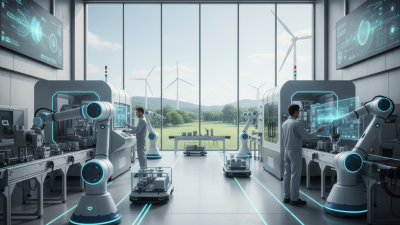
One significant aspect is the implementation of smart factories. These facilities utilize the Internet of Things (IoT) to connect machines and systems. As per a report from the World Economic Forum, smart manufacturing could contribute $3.7 trillion to global GDP by 2025. However, the transition can be challenging. Companies may face difficulties in workforce retraining and technology integration.
Another vital technology in advanced manufacturing is additive manufacturing, or 3D printing. This method allows for rapid prototyping and customization. A 2021 study indicated that 60% of manufacturers plan to invest in 3D printing to stay competitive. Yet, not all businesses can afford such investments. It raises questions about access and equity within the industry. The promise of advanced manufacturing is significant, but pitfalls exist that demand cautious consideration.
The Role of Advanced Manufacturing in Industry 4.0 Revolution
The Industry 4.0 revolution is dramatically reshaping manufacturing. Advanced manufacturing technologies, like 3D printing and IoT, play a key role. These innovations enable faster production and increased customization. Factories can now produce tailored products based on real-time data. This responsiveness helps companies meet changing consumer demands swiftly.
However, this transformation is not without challenges. Many workers may feel threatened by automation. The shift to smart factories requires new skills. Companies must invest in training their workforce to adapt. Cybersecurity risks also rise as machines become interconnected. Ensuring data security is crucial for protecting intellectual assets.
Engaging in advanced manufacturing can lead to unexpected hurdles. For instance, integrating new technologies into existing systems can be complex. It's essential to evaluate the impact on productivity and efficiency thoroughly. Continuous assessment is needed to refine processes. Balancing innovation with sustainable practices remains a work in progress.
Impact of Advanced Manufacturing on Industry Sectors
This bar chart illustrates the investment levels in advanced manufacturing across various sectors. As industries adopt advanced manufacturing technologies, the investment varies significantly, with aerospace and automotive leading in commitment towards innovation and efficiency improvements.
Impact of Advanced Manufacturing on Supply Chain Efficiency
Advanced manufacturing is changing the landscape of supply chains. This innovation combines technology and processes. It enhances production efficiency significantly. As companies adopt advanced techniques, traditional models face challenges. There’s a need for continuous adaptation.
Efficiency gains are evident in various areas. Automation speeds up production lines. Real-time data analysis helps predict demand. However, not all companies adapt seamlessly. Some struggle with integration. Equipment failures or data management issues can disrupt operations.
Collaboration also plays a crucial role. Teams must communicate effectively across functions. Misalignment can lead to delays and increased costs. As advanced manufacturing evolves, firms must reflect on their practices. They need to address weaknesses and continuously improve processes to fully realize potential benefits.
Future Trends and Challenges in Advanced Manufacturing
Advanced manufacturing is reshaping industries globally. Future trends highlight significant advancements like
automation and artificial intelligence.
According to a McKinsey report, companies embracing these technologies see operational efficiency improvements of 20-30%.
These changes drive lower production costs and better product quality. However, the rapid pace of innovation brings challenges.
Workforce adaptation is critical, as many employees lack the necessary skills.
Tips: Invest in training. Upskilling your workforce can enhance productivity and engage employees.
Analyze current capabilities and identify skill gaps.
Sustainability is another pressing issue. The shift towards eco-friendly practices requires investment in cleaner technologies.
The World Economic Forum estimates that sustainable manufacturing could generate $2 trillion in economic growth by 2030.
While the benefits are clear, many businesses struggle to integrate sustainable practices effectively.
Tips: Start small. Implementing a few sustainable practices can lead to larger changes over time.
Monitor progress regularly to adjust your approach.
Balancing innovation and sustainability requires a thoughtful strategy. Companies need to be agile and responsive.
Embracing advanced manufacturing is essential, yet finding the right approach is not always straightforward.