Top Benefits of Using Standard Aluminium Profiles for Your Projects
In the realm of construction and manufacturing, the utilization of standard aluminium profiles has become increasingly popular due to their versatility and efficiency. According to industry expert Dr. Emily Carter, “Standard aluminium profiles not only enhance the aesthetic value of projects but also provide unmatched structural integrity.” This insight reflects a growing recognition of how these profiles can streamline the design and building process while offering significant benefits in terms of durability and sustainability.
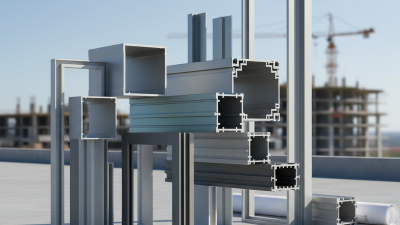
Standard aluminium profiles are pre-defined shapes made from high-quality aluminium that can be easily integrated into various applications, ranging from architectural designs to machine construction. Their lightweight nature and resistance to corrosion make them an ideal choice for projects where both strength and longevity are paramount. Furthermore, the ease of modification and assembly associated with standard aluminium profiles allows for greater creativity and efficiency, enabling engineers and designers to bring their visions to life with minimal hassle.
As more industries embrace these profiles, understanding their advantages is crucial for optimizing project outcomes. From reducing material waste to speeding up construction timelines, the benefits of standard aluminium profiles are increasingly evident. Embracing this trend may very well be the key to unlocking new possibilities in modern engineering and design.
Overview of Standard Aluminium Profiles and Their Applications
Standard aluminium profiles are incredibly versatile components that serve a multitude of applications across various industries. These extruded shapes, often used in construction, automotive, and manufacturing, provide a lightweight yet sturdy solution for building frameworks, enclosures, and supports. Their excellent corrosion resistance and thermal conductance make them ideal for both indoor and outdoor projects, ensuring durability without sacrificing performance.
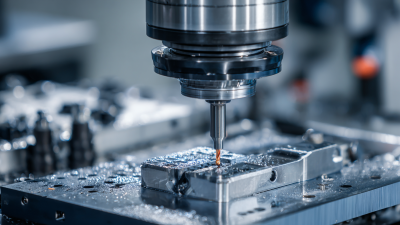
When working with standard aluminium profiles, it’s essential to consider their adaptability. They can easily be customized to fit specific project requirements, such as length, thickness, and surface finish. This flexibility allows engineers and designers to implement innovative solutions, whether they are designing machinery frames, shelving systems, or custom fixtures.
Tips: When selecting aluminium profiles for your project, prioritize the intended use and load-bearing requirements. It's also wise to keep in mind that standard profiles can significantly reduce lead times and costs, as they are readily available and require less machining. Furthermore, consider the environmental impact; aluminium is fully recyclable, making it a sustainable choice for eco-conscious projects.
Advantages of Using Standard Aluminium Profiles in Construction Projects
Standard aluminium profiles offer numerous advantages in construction projects, making them a preferred choice among builders and designers. One of the primary benefits is their lightweight nature, which simplifies transportation and handling on-site. This characteristic not only reduces labor costs but also enhances the overall efficiency of the construction process. Additionally, aluminium is highly resistant to corrosion, ensuring that structures maintain their integrity and appearance over time, thus reducing maintenance costs significantly.
When working with standard aluminium profiles, it's essential to consider design flexibility. These profiles are available in various shapes and sizes, allowing for easy customization to meet specific project requirements. Builders can experiment with different configurations while ensuring structural stability. This versatility also means that projects can be adapted more easily to changing design trends or functional needs.
Tips: Always check for the proper specifications when selecting aluminium profiles for your construction project. It is crucial to match the profile’s properties with the intended application for optimal results. Additionally, consider consulting with engineers or architects to leverage innovative design possibilities, ensuring maximum performance and aesthetic appeal in your construction projects.
Cost-Effectiveness of Standard Aluminium Profiles Compared to Alternatives
When it comes to project construction and design, choosing the right materials is crucial for both performance and budget. Standard aluminium profiles have emerged as a cost-effective solution compared to many alternatives in the market. These profiles are not only versatile and lightweight but also offer durability and corrosion resistance, making them an ideal choice for a wide range of applications. Ultimately, this translates into lower long-term costs due to reduced maintenance and replacement needs, as well as an accelerated project completion time, enhancing overall efficiency.
Tips for maximizing the cost-effectiveness of standard aluminium profiles include careful planning and design. By optimizing your design to utilize standard sizes, you can minimize waste and reduce fabrication costs. Consider bulk purchasing options; many suppliers offer discounts on larger orders, which can significantly lower your per-unit expense. Additionally, take advantage of the recyclability of aluminium—using recycled materials can further reduce costs while benefiting the environment.
Another consideration is the adaptability of standard aluminium profiles. Their modular nature means they can be easily reconfigured or modified as project needs change, reducing the need for new materials and keeping costs down. Incorporating these profiles into your design not only helps maintain budget efficiency but also provides the flexibility to adapt to future changes without significant investments.
Top Benefits of Using Standard Aluminium Profiles
This chart illustrates the top benefits of using standard aluminium profiles in projects, highlighting their cost-effectiveness, durability, ease of fabrication, weight reduction, and sustainability. Each benefit is represented on a percentage scale, showcasing their significant advantages over alternative materials.
Sustainability and Environmental Benefits of Aluminium Profiles
Aluminium profiles are increasingly recognized for their sustainability and environmental benefits, making them a preferred choice for various construction projects. According to the International Aluminium Institute, recycling aluminium saves up to 95% of the energy required to produce new aluminium from raw materials. This significant reduction in energy consumption translates into lower carbon emissions, contributing to a more sustainable future. Furthermore, aluminium's lightweight nature reduces transportation impacts, leading to less fuel consumption and associated emissions during transit.
Tips for incorporating aluminium profiles into your projects include assessing local recycling facilities to optimize the use of recycled materials. Utilize design software to minimize waste during the manufacturing process, ensuring that offcuts can be reused efficiently. Additionally, consider the long lifespan of aluminium structures, which can last decades with minimal maintenance, further enhancing the overall sustainability of your project.
The environmental advantages extend beyond energy savings; aluminium is fully recyclable without losing its properties. This circular aspect of aluminium profiles not only promotes resource efficiency but also supports the transition to a low-carbon economy. As more industries adopt sustainable materials like aluminium, the construction sector can play a pivotal role in addressing climate change while delivering durable and stylish solutions for modern infrastructure.
Top Benefits of Using Standard Aluminium Profiles for Your Projects - Sustainability and Environmental Benefits of Aluminium Profiles
| Benefit |
Description |
Environmental Impact |
Recyclability |
| Lightweight |
Aluminium profiles are significantly lighter than steel, reducing transportation costs and energy use. |
Lower fuel consumption during shipment contributes to decreased CO2 emissions. |
Highly recyclable without loss of properties. |
| Durability |
Aluminium is resistant to corrosion and has a long lifespan, reducing the need for frequent replacements. |
Extended product life minimizes waste and resource consumption. |
90% of aluminium can be recycled indefinitely. |
| Energy Efficiency |
Aluminium profiles can be used in energy-efficient design, improving thermal performance of buildings. |
Reduced energy consumption in occupied buildings leads to lower greenhouse gas emissions. |
Recycling aluminium saves up to 95% of the energy required for primary production. |
| Versatility |
Available in various shapes and sizes, aluminium profiles can be tailored for numerous applications. |
Maximizing material utility reduces waste generation. |
Easily separated for recycling alongside other materials. |
| Chemical Resistance |
Aluminium can withstand various chemicals, making it suitable for numerous industrial applications. |
Longer service life reduces the need for hazardous waste disposal. |
Easily recovered and processed after use. |
Design Flexibility and Customization Options with Standard Aluminium Profiles
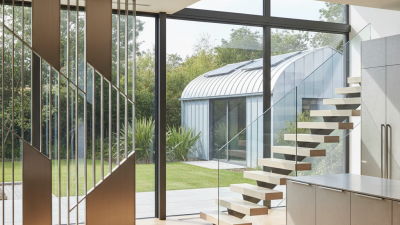
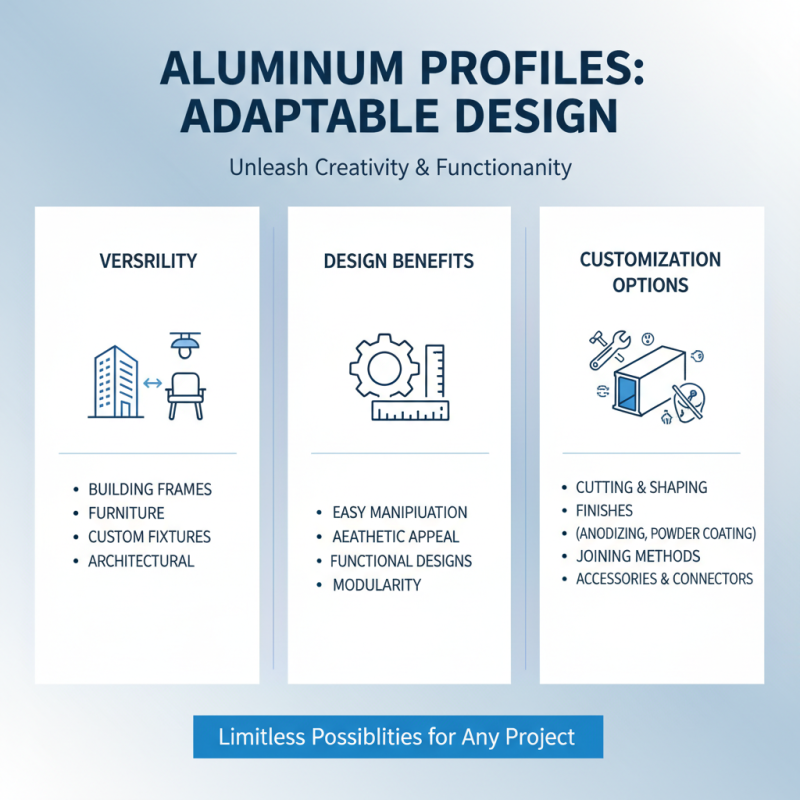
Standard aluminium profiles offer remarkable design flexibility and numerous customization options, making them an ideal choice for a variety of projects. Their inherent versatility allows architects and designers to create structures that not only meet functional requirements but also exhibit aesthetic appeal. Whether it's for building frames, furniture, or custom fixtures, these profiles can be easily manipulated to achieve the desired look and functionality.
One of the key benefits of using standard aluminium profiles is the ease with which they can be customized. With various shapes, sizes, and finishes available, designers can modify these profiles to fit specific project needs without substantial lead times. This flexibility ensures that projects can evolve smoothly, allowing for adjustments without the need for entirely new materials. Additionally, the lightweight nature of aluminium contributes to easier transportation and installation, reducing both time and labor costs.
**Tips:** When considering standard aluminium profiles for your project, explore 3D modelling software to visualize different configurations and finishes. Experimenting with various profile combinations can yield innovative designs. Also, don't hesitate to consult with experts who can guide you on the ideal profiles that align with your design vision while ensuring strength and durability.