How to Boost US Manufacturing Efficiency in Today's Economy?
The state of US manufacturing is at a crossroads. As businesses face economic pressures, enhancing efficiency is crucial. Many manufacturers struggle with outdated processes. This hinders productivity and impacts competitiveness.
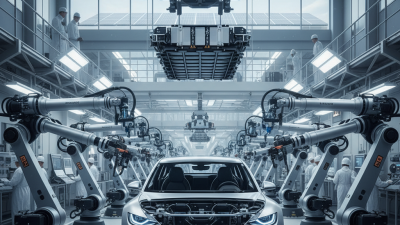
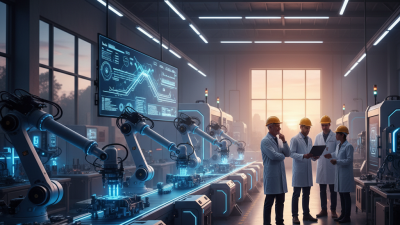
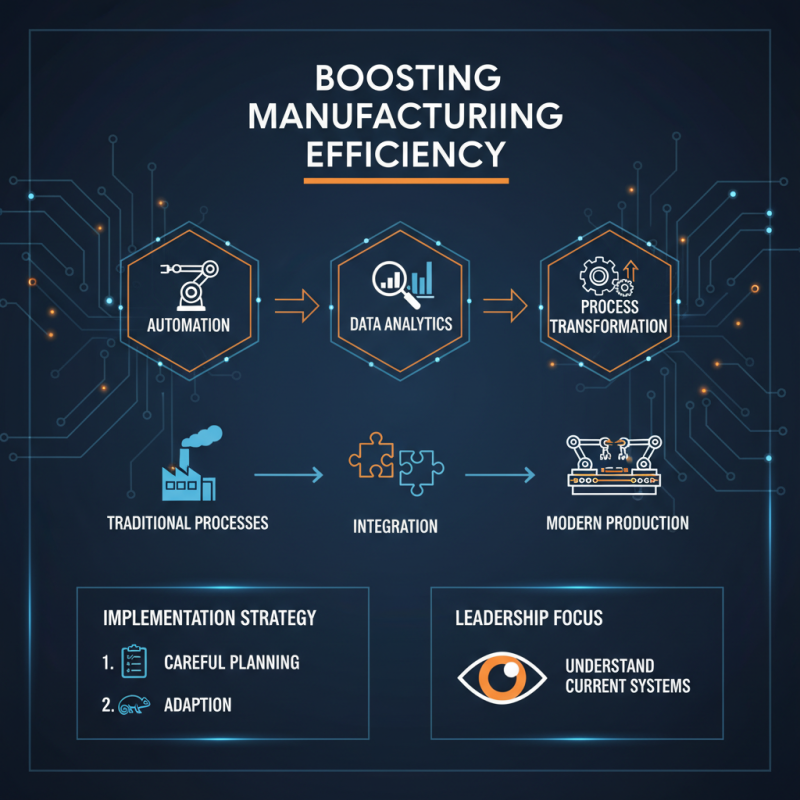
In today’s fast-paced economy, US manufacturing must adapt. Embracing technology offers pathways to improvement. Equipment upgrades can streamline operations and reduce waste. Yet, not all companies are ready to invest. This reluctance leads to missed opportunities. Employees need training to use new tools effectively. The workforce is a vital player in this transformation.
It’s essential to analyze current strategies carefully. Sometimes, companies cling to old practices, fearing change. They may not realize the benefits of innovation. Increased efficiency can lead to higher output and profitability. Yet, it requires a willingness to let go of the past. US manufacturing must embrace a culture of continuous improvement. Only then can it thrive in the modern economy.
Identifying Key Challenges Faced by US Manufacturing Sectors Today
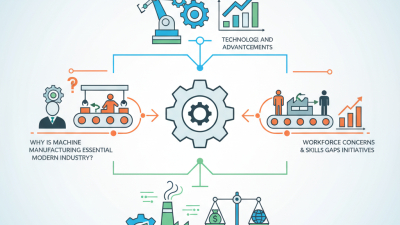
The US manufacturing sector faces numerous challenges in today's economy. One significant issue is workforce shortages. Many skilled workers are retiring, and younger generations are hesitant to enter manufacturing. This gap in talent can lead to decreased productivity and inefficient operations. Companies struggle to find technicians and engineers, impacting production lines and innovation.
Supply chain disruptions create another barrier. Global events, like the pandemic, have shown how fragile supply chains can be. Manufacturers often deal with delays and rising costs. These problems can halt production and increase expenses. Companies must adapt by diversifying suppliers or investing in local resources. However, these changes take time and often require significant upfront costs.
Technological advancements also pose a challenge. While automation can improve efficiency, not all manufacturers embrace it. Some worry about high initial investments or the complexity of new technology. There is also the fear of job losses. This reluctance can impede progress. Manufacturers need to balance innovation with workforce development. Embracing change is essential, but it requires careful planning and support.
Optimizing Supply Chain Management for Increased Efficiency
In today's economy, optimizing supply chain management is crucial for boosting manufacturing efficiency. Many companies struggle with fragmented processes. Ineffective coordination leads to delays and increased costs. To improve, manufacturers should focus on their logistics networks. Streamlined communication is key. This means reducing layers of management and encouraging direct contact between teams.
Investing in technology can also enhance efficiency. Automated systems help monitor inventory levels in real-time. However, not all companies have fully embraced these tools. Some still rely on outdated methods, creating bottlenecks. Regular assessments of supply chain processes can identify weaknesses. For instance, missing parts can halt production, costing time and money.
Engaging suppliers in regular feedback loops can foster innovation. A strong relationship may uncover new methods for collaboration. Yet, many manufacturers overlook this aspect. They may assume that existing partnerships are fine. This complacency can stifle potential improvements. It's essential to actively seek out ways to enhance the supply chain, even if current practices seem adequate.
How to Boost US Manufacturing Efficiency in Today's Economy? - Optimizing Supply Chain Management for Increased Efficiency
| Metric |
Current Value |
Target Value |
Improvement Strategy |
| Overall Equipment Effectiveness (OEE) |
75% |
85% |
Implement predictive maintenance |
| Inventory Turnover Ratio |
4 times/year |
6 times/year |
Enhance demand forecasting |
| Production Lead Time |
10 days |
7 days |
Streamline processes |
| Scrap Rate |
5% |
2% |
Implement quality control measures |
| Employee Productivity |
85 units/day |
100 units/day |
Training and incentives |
Investing in Workforce Training and Development Programs
A skilled workforce is the backbone of manufacturing efficiency. Investment in workforce training is crucial. Reports indicate that companies in the manufacturing sector saw a 20% increase in productivity when investing in training programs. Training can bridge skill gaps and enhance employee performance. However, many firms hesitate to commit to these programs.
Data from industry research reveals a troubling trend. Nearly 75% of manufacturing companies face a shortage of qualified workers. This gap creates inefficiencies that impact the bottom line. If firms do not act, they risk falling behind competitors. Yet, only 30% of manufacturers report having comprehensive training initiatives in place. It raises questions about the long-term sustainability of production processes.
Effective training involves more than technical skills. Soft skills, problem-solving, and teamwork are equally vital. A holistic approach boosts morale and reduces turnover. Companies often overlook the importance of ongoing development. Regular evaluations and feedback mechanisms can strengthen training outcomes. Investing in people is not just an expense but a strategic imperative for future growth.
Boosting US Manufacturing Efficiency Through Workforce Training
Adopting Sustainable Practices to Improve Competitive Advantage
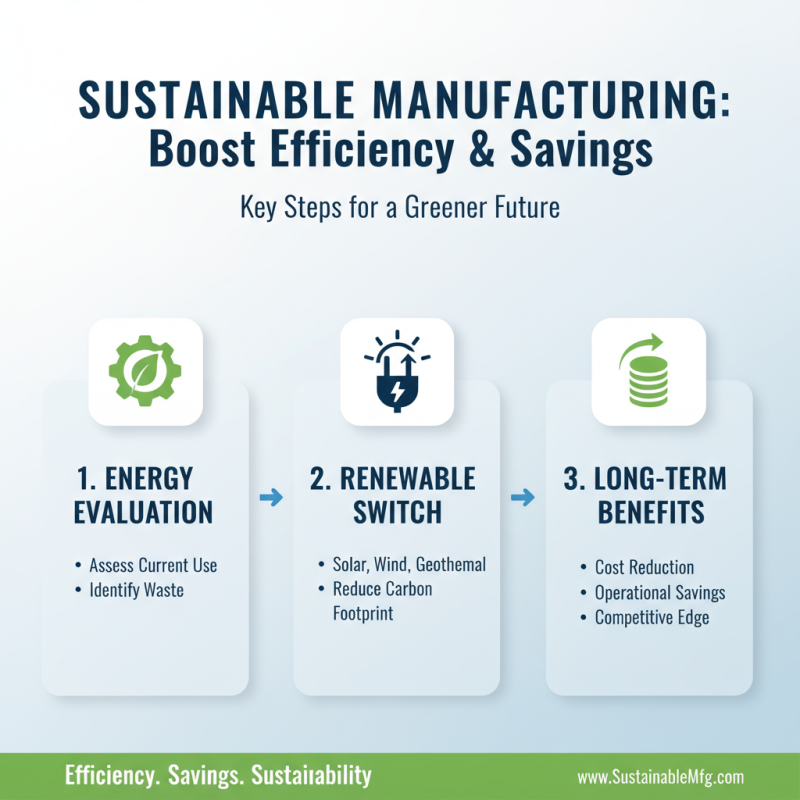
In today's competitive landscape, adopting sustainable practices can significantly enhance manufacturing efficiency. Many companies begin by evaluating their energy consumption. Switching to renewable energy sources not only cuts costs but also reduces carbon footprints. This transition can often lead to operational savings in the long term.
Investing in recyclable materials is another crucial step. It minimizes waste and can improve brand image. However, integrating sustainable materials often raises initial costs. This can be a point of frustration for manufacturers. It requires careful planning and resource allocation, making it a challenging yet vital shift.
Implementing efficient waste management systems is essential. Streamlining operations to recycle byproducts can transform waste into a valuable resource. Many companies, however, overlook this aspect. They may feel it is unnecessary or too complicated. Embracing a circular economy mindset requires commitment and, at times, a culture change within the organization.