Selecting the right Stainless Steel Coupling is essential for ensuring optimal performance in various applications. These couplings connect different components while providing strength and durability. However, the market offers a range of options, making the selection process challenging.
Consider your specific needs before making a decision. Factors like size and pressure ratings significantly impact your choice. It's vital to evaluate the operating conditions and the type of environment the coupling will face. Without this analysis, you might end up with a suboptimal solution that fails under stress.
In addition, look for reliable manufacturers. Their expertise can guide you toward appropriate materials and designs. Beware of cheaper options that may compromise quality. A little research can save you time and resources in the long run. Choosing the right Stainless Steel Coupling is not just a matter of preference; it's a critical decision that affects the overall system's efficiency.
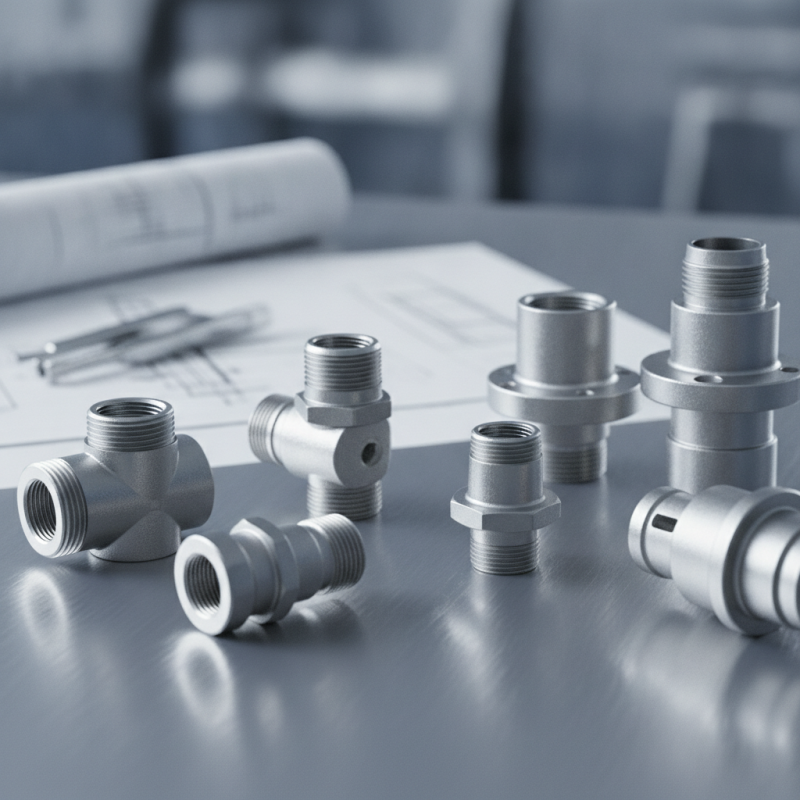
Stainless steel couplings are vital for various applications, ranging from plumbing to industrial machinery. These couplings connect pipes or components securely, ensuring the system operates smoothly. They withstand high temperatures and pressures, making them suitable for various environments. Understanding the specific requirements of your project is crucial for making the right choice.
When selecting a stainless steel coupling, consider the material grade. Common options include 304 and 316 stainless steel. Grade 304 is versatile, while grade 316 offers better corrosion resistance, especially in harsh environments. Assess the pressure ratings as well. Many applications require couplings that can handle significant pressure, so choose accordingly.
**Tips:** Always inspect the coupling for defects before installation. Even a small flaw can lead to leaks or failures. Proper installation techniques are also essential. Take the time to ensure that everything is aligned and tightened correctly. In the long run, this can save you from costly repairs. Remember to reflect on your specific needs and reevaluate them as your project progresses.
This chart displays the percentage usage of stainless steel couplings across various industries, highlighting the importance of these components in sectors such as Oil and Gas, Water Treatment, Construction, Food Processing, and Manufacturing.
Choosing the right stainless steel coupling involves understanding specific factors. Material compatibility is essential. Different applications require different grades of stainless steel. For instance, marine environments often require higher corrosion resistance, typically achieved with 316-grade stainless steel, according to industry reports. Not all applications need this level; 304-grade may suffice for inland uses.
Another critical factor is pressure rating. Couplings must withstand the maximum pressure in the system. A report from the American Society of Mechanical Engineers (ASME) highlights that miscalculating pressure requirements led to system failures in 15% of reviewed cases. It's vital to assess pressure ratings carefully to avoid costly repairs.
Size and fitting style also matter. Measurements and types can vary significantly. A mismatch can lead to leaks or failures. Data indicates that installation errors account for 10% of coupling failures. Proper measurement techniques and assembly practices must be prioritized. Each selection step impacts the system's overall reliability and effectiveness.
When selecting a stainless steel coupling, understanding the types available is essential. There are generally three types of couplings: rigid, flexible, and adjustable. Rigid couplings are ideal for precision tasks. They do not allow for misalignment, making them suitable for direct connections. In contrast, flexible couplings can accommodate some degree of misalignment. This flexibility can be crucial in applications where components may shift or move.
Adjustable couplings offer another layer of versatility. They allow for changes in length and can be tailored to fit specific requirements. This adaptability is often overlooked but can save time and resources during installations. It is worth considering the type of environment the coupling will operate in as well. For example, a humid environment may require certain features to prevent corrosion.
However, it is important to acknowledge that not every coupling will meet your needs perfectly. Sometimes, users may need to compromise between flexibility and the strength of the connection. An ideal solution for one situation may not work well in another. Always reflect on both the immediate and long-term requirements of your project before making a decision.
When selecting a stainless steel coupling, it’s vital to assess compatibility with your existing systems. Not all couplings fit every application. Different grades of stainless steel provide varying levels of corrosion resistance and strength. Evaluate the environment where the coupling will be installed. Will it be exposed to chemicals or high temperatures? Understanding these factors helps prevent future failures.
Consider the materials of the connected systems. The coupling must work well with them to ensure a tight seal. Mismatched materials can lead to leaks or breakdowns. Seeking advice from experienced professionals in the field can be beneficial. They can offer insights into the best practices for ensuring compatibility.
Measure the dimensions carefully. An ill-fitting coupling can cause serious issues down the line. A precise fit is essential for longevity and safety. Sometimes, it may be worth investing time in research rather than rushing the decision. Reflecting on past experiences with couplings can guide you in making better choices for future projects.
When evaluating stainless steel couplings, cost and quality must be balanced. According to industry reports, investing in higher-quality materials often leads to increased reliability and longevity. A study published by the American Society of Mechanical Engineers found that low-quality couplings can fail prematurely. This not only results in replacement costs but can also lead to downtime during repairs.
The cost of stainless steel couplings varies greatly based on grade and finish. For example, a study highlighted that 304 grade couplings are less expensive but may not withstand certain corrosive environments as effectively as 316 grade counterparts. The price difference can be 10% to 30%, depending on the supplier. However, the cost savings of using lower-grade couplings may lead to greater expenses in maintenance and operational failures.
Understanding your application's requirements is crucial. A coupling used in a marine environment should be of higher quality to combat saltwater corrosion. In contrast, an application in a controlled environment may not need such stringent quality. Evaluating both the immediate costs and long-term factors is essential for making an informed decision. Make sure to assess your specific needs, not just prices. Rely on industry insights and data to guide your purchase choice.
| Coupling Type | Material Grade | Size (inches) | Price ($) | Quality Rating (1-5) |
|---|---|---|---|---|
| Socket Weld Coupling | 316 | 1 | 15.00 | 4 |
| Threaded Coupling | 304 | 2 | 10.00 | 3 |
| Compression Coupling | 316 | 1.5 | 18.00 | 5 |
| Union Coupling | 304 | 2.5 | 12.00 | 4 |
| Victory Coupling | 316 | 1 | 20.00 | 5 |
We’re here to help and answer your questions.