When selecting bespoke aluminium extrusion for your projects, understanding its unique characteristics is crucial. Renowned expert in the field, Dr. Emily Carter, emphasizes, "Choosing the right bespoke aluminium extrusion can transform your design and efficiency." This is especially true in an industry where precision and customization are vital.
Bespoke aluminium extrusion offers tailored solutions for various applications. From architectural elements to industrial components, the flexibility of this material allows for innovative designs. However, not all suppliers deliver the same quality or level of customization. This unpredictability can create challenges that require close consideration.
Reflecting on specific project needs and long-term goals is essential. Whether it’s weight, strength, or aesthetic appeal, these factors should guide your choices. A well-informed selection process ultimately enhances product performance and satisfaction. While it seems straightforward, the decision can be more complex than anticipated. Thoughtful evaluation of suppliers and materials can make a significant difference in your outcomes.
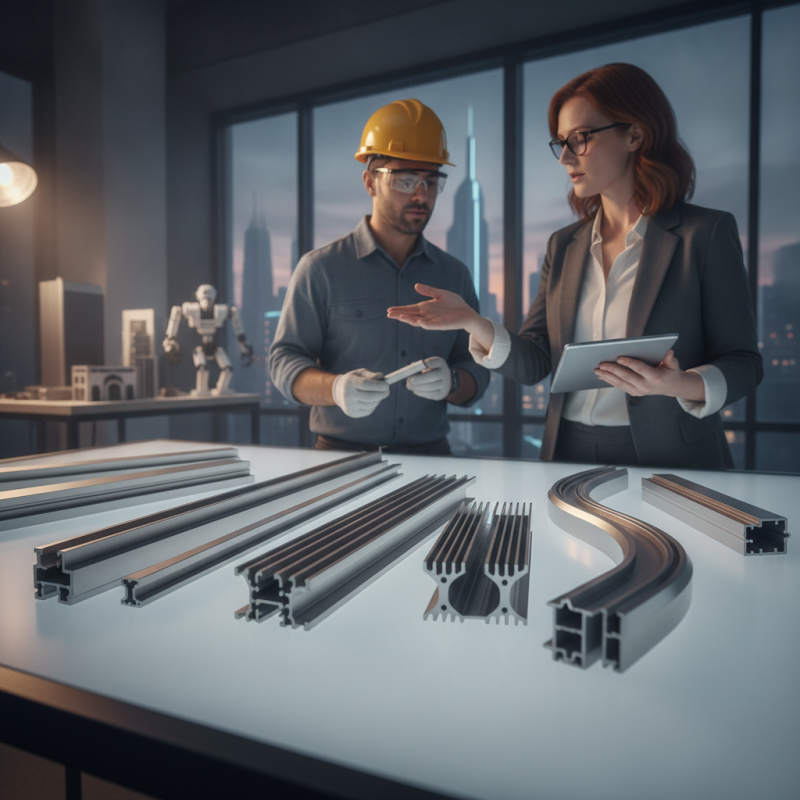
Bespoke aluminium extrusion is a process tailored to meet specific needs. Understanding its core terminology is essential for making informed choices. The term "extrusion" refers to the method of shaping aluminium into desired profiles. This involves pushing heated aluminium through a die, forming unique shapes suited for various applications.
When discussing aluminium profiles, you might encounter terms like "cross-section" and "alloy." The cross-section describes the shape of the extrusion, which can be anything from simple rectangles to complex designs. An alloy, meanwhile, defines the metal's composition, affecting strength and durability. Knowledge of these terms helps you assess your project's requirements accurately.
Choosing the right extrusion involves careful consideration of these factors. For many, the custom nature of bespoke aluminium can feel overwhelming. Reflecting on your project needs may lead to insights about the preferred alloy or profile shape. It's worth seeking advice from experts to avoid common pitfalls, like underestimating the importance of specifications. Understanding these concepts can greatly enhance your project outcomes.
| Dimension | Profile Type | Alloy Type | Wall Thickness | Finish Options |
|---|---|---|---|---|
| 10mm x 20mm | Flat | 6063 | 1mm | Powder Coated |
| 15mm x 30mm | T-slot | 6060 | 2mm | Anodized |
| 20mm x 40mm | Angle | 6061 | 1.5mm | Brushed |
| 25mm x 50mm | Round | 6082 | 3mm | Polished |
| 30mm x 60mm | I-beam | 6005 | 4mm | Mill Finish |
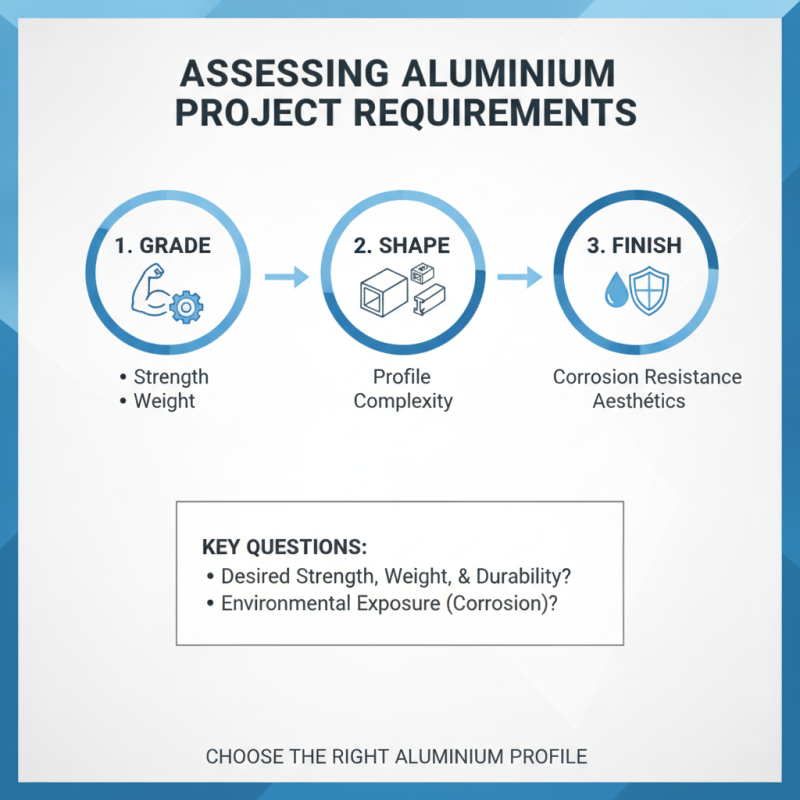
When selecting bespoke aluminium extrusion for projects, understanding specific requirements is critical. Aluminium comes in various grades, shapes, and finishes, each serving distinct functions. Assessing the project’s needs involves asking questions about the desired strength, weight, and corrosion resistance. These factors will dictate the aluminium profile that should be chosen.
In some cases, the design might require a unique shape or size. Custom extrusions can be tailored to these needs, but that often raises costs. The project timeline also needs consideration. An intricate design might lead to longer lead times, which can impact deadlines. Discussing these factors with manufacturers can provide more clarity.
However, not every supplier may offer the same level of expertise. It’s essential to research their capabilities and past projects. Some manufacturers may promise more than they can deliver. Engaging with experienced professionals can yield insights into best practices for your unique requirements. Make sure to evaluate their past work. This step can reveal potential issues later on.
Choosing the right bespoke aluminium extrusion for your projects involves thoughtful design considerations. Shapes and profiles dictate functionality and aesthetic appeal. According to a 2022 report by the Aluminium Association, nearly 70% of architects prioritize innovative design in their projects, highlighting the importance of customization in aluminium profiles.
When designing, consider the purpose of your extrusion. Different shapes, like T-sections, L-profiles, or channels, serve unique functions. A sleek, minimalist design can enhance visual impact, especially in modern architecture. However, balancing aesthetics with structural integrity is crucial. What may look appealing might compromise strength.
Furthermore, surface treatments and finishes can significantly affect the final appearance. Options like anodizing or powder coating not only enhance durability but also expand design possibilities. For instance, a matte finish can create a subdued elegance, while glossy coatings can attract attention. Reflecting on these decisions early can mitigate costly design changes later on. Balancing functionality and aesthetics often requires iterative adjustments, underscoring the complexity of the design process.
This chart illustrates the distribution of various design considerations in bespoke aluminium extrusion projects, showcasing popular shapes and profiles used in design.
When selecting bespoke aluminium extrusion for your projects, understanding the manufacturing processes is crucial. Various techniques impact the quality and performance of the final product. For example, direct extrusion and indirect extrusion are two common methods, each with unique advantages. Direct extrusion allows for complex shapes, while indirect extrusion is more efficient for certain designs. Industry reports indicate that up to 80% of extrusions are produced via direct methods due to their versatility.
Precision is key in custom extrusion. Advanced technologies like CNC machining and multi-axis milling enhance the manufacturing process. According to the Aluminium Association, 40% of extrusion defects arise from improper tooling or inadequate machine settings. It's vital to evaluate the equipment and processes used by manufacturers. This ensures the final product meets your specific requirements. Do they offer tight tolerances? Can they handle unique alloy compositions? These are crucial questions.
Another factor to consider is the environmental impact. As sustainability becomes increasingly important, manufacturers must adopt efficient practices. More than 70% of aluminium products are recycled. Engaging with proactive manufacturers committed to sustainability can enhance your project’s eco-friendliness. This decision may influence the overall cost and timeline as well, highlighting the importance of thorough evaluation in the selection process.
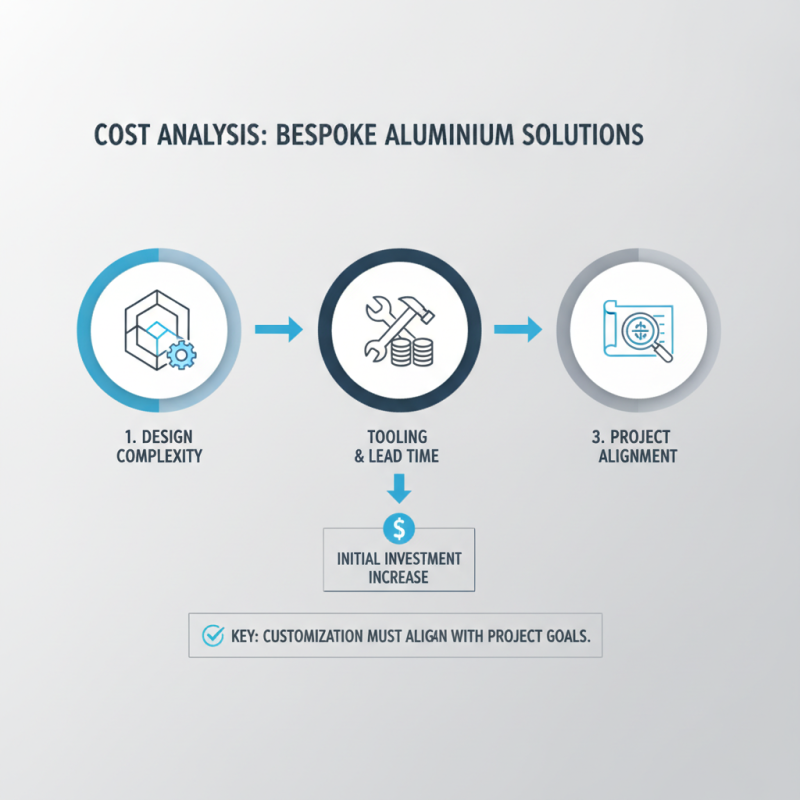
When budgeting for bespoke aluminium extrusion solutions, several factors must be considered. The complexity of the design significantly influences costs. Custom shapes or unique profiles may require advanced tooling and longer lead times. This can increase the initial investment. It’s essential to evaluate whether these customizations directly align with project goals.
Material costs are another critical element. Aluminium prices can fluctuate, impacting budgets. Sourcing high-quality materials is vital for durability and performance. In some cases, cheaper options may lead to higher costs in maintenance down the line. Ask suppliers for material certifications. This ensures reliability and helps avoid costly mistakes.
Evaluating labor costs is equally important. Skilled labor is necessary for precise fabrication and assembly. Cutting corners here can impact the final product. Reflect on the balance between cost and quality. Sometimes, investing more initially can yield significant savings later. Overall, a thorough cost analysis aids in making informed decisions about bespoke aluminium solutions.
We’re here to help and answer your questions.