How to Succeed in Aluminium Extrusion Industries?

Succeeding in the aluminium extrusion industries requires a strategic mindset and adaptability. This sector is vital for producing lightweight, strong materials. Companies rely on aluminium for diverse applications, from construction to automotive manufacturing. Understanding market demands is essential.

To thrive, businesses must invest in technology and skilled labor. Staying updated with innovation increases efficiency and product quality. Sometimes, firms struggle to meet the rapid changes in consumer needs. Recognizing when to pivot can make a significant difference.

Networking within the aluminium extrusion industries also plays a crucial role. Building solid relationships with suppliers and clients fosters collaboration. Many companies overlook this, focusing solely on production. Engaging with industry experts and attending trade shows can inspire new ideas. Ultimately, ambition and resilience are key to success in this competitive field.

How to Succeed in Aluminium Extrusion Industries?

Understanding the Basics of Aluminium Extrusion Process

Aluminium extrusion is a fascinating process that transforms raw aluminium into useful shapes. It starts with heating aluminium billets. These billets are then forced through a die, creating long profiles. Depending on the die's design, the shapes can vary significantly. Common products include window frames, tubes, and automotive components.

Understanding the extrusion process is vital for success. Factors like temperature, die design, and pressure influence the final outcome. If the temperature is too low, the aluminium may crack. If it’s too high, it can affect the material's properties. Additionally, the extrusion speed needs careful control. Too fast, and you can get defects; too slow, and production efficiency drops.

The importance of quality control cannot be overstated. Regular inspections are necessary to ensure that the profiles meet specifications. Small deviations can lead to major issues in later stages, such as machining or assembly. Even with precise machinery, human error can occur. Training staff to recognize potential problems is essential. Reflection on these details can significantly enhance overall production quality.
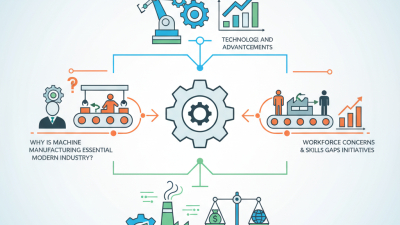
Key Factors Influencing Success in Aluminium Extrusion Industries

How to Succeed in Aluminium Extrusion Industries?

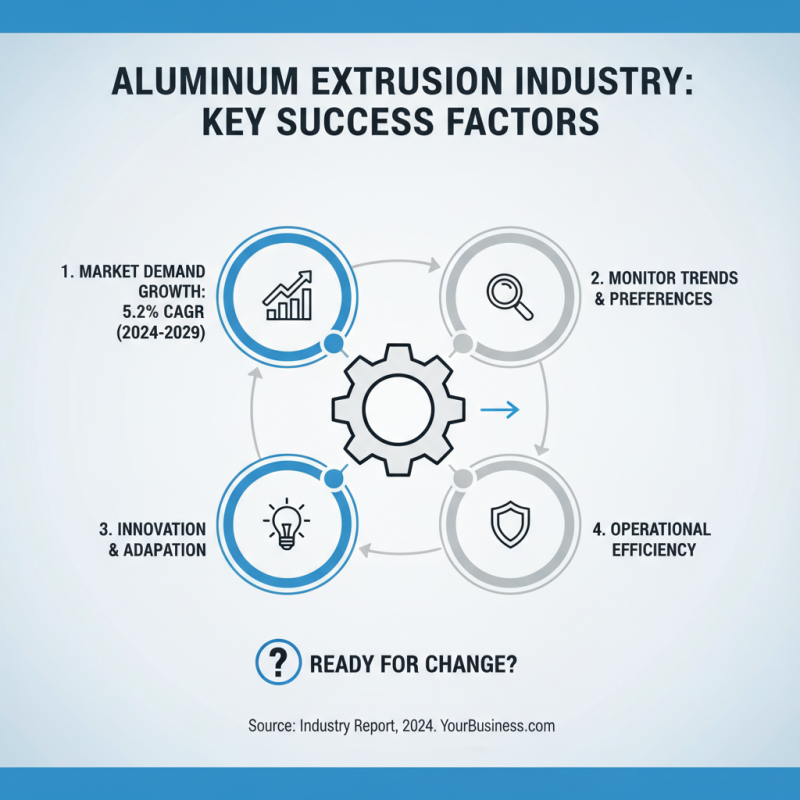
Success in the aluminium extrusion industry is often determined by several key factors. Market demand plays a critical role. According to a recent industry report, the aluminium extrusion market is expected to grow at a CAGR of 5.2% over the next five years. This growth underscores the need for companies to closely monitor trends and consumer preferences. Is your business ready to adapt to changing demands?

Operational efficiency is another factor. Many companies struggle with production costs and lead times. A significant study found that increasing automation can reduce costs by up to 30%. Yet, not every manufacturer has embraced these technologies. The challenge lies in balancing investment with potential returns. Sometimes, outdated processes hinder progress.

Innovation also matters. Companies that invest in R&D see higher market shares. Data shows that firms allocating 15% of their budget to innovation outperform competitors. However, the risk of failure is real. New product lines may not always resonate with clients. Continuous evaluation of performance is crucial to avoid setbacks. Can your team afford to take these calculated risks?

Essential Equipment and Technology for Efficient Aluminium Extrusion

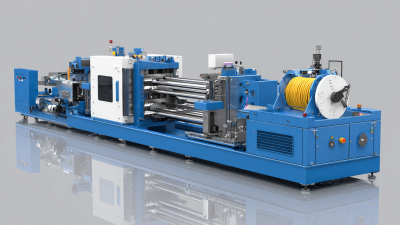
Efficient aluminium extrusion requires advanced equipment and technology. The extrusion press is the heart of the operation. It shapes aluminium billets into desired profiles. These presses vary in size and capacity. Choosing the right one is crucial for productivity.


In addition to the press, cooling systems play a vital role. They rapidly cool extruded profiles, ensuring strength and durability. Incorrect cooling can lead to defects. This aspect often goes unnoticed but is essential for quality control.


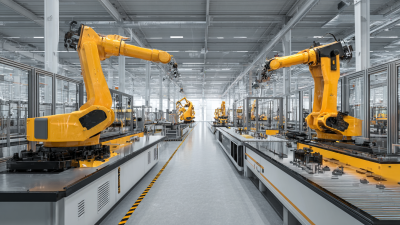
Automation technology is also becoming increasingly important. It enhances efficiency and reduces labor costs. Robotic systems can handle packing and sorting tasks. However, integrating these technologies can be challenging. Companies must invest time to train staff and adapt processes. The balance between tradition and innovation requires continuous reflection.

Strategies for Quality Control and Testing in Aluminium Products

How to Succeed in Aluminium Extrusion Industries?

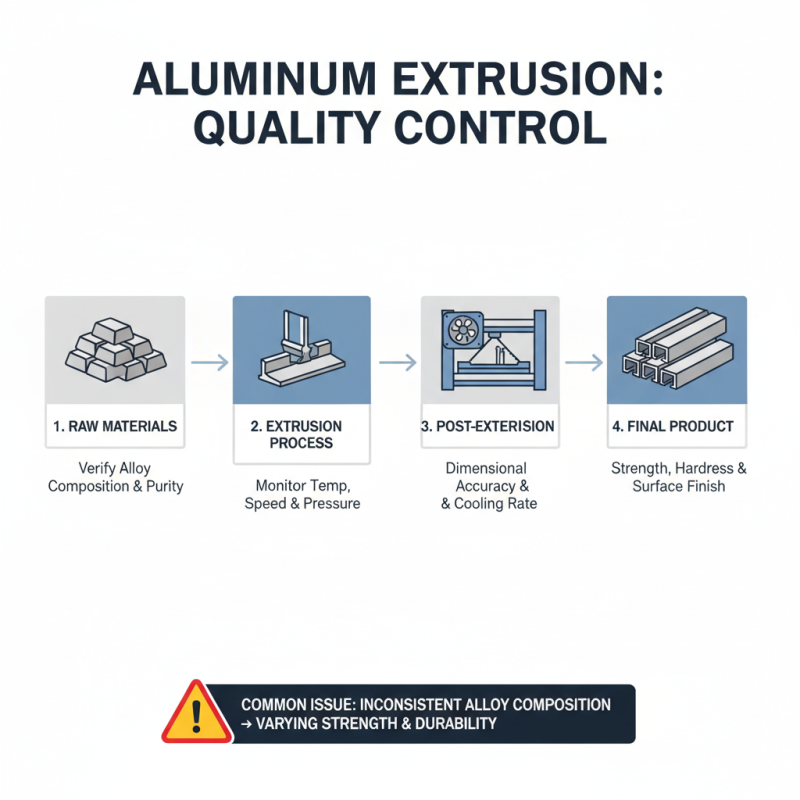
Quality control in aluminium extrusion is crucial. The process involves monitoring each step, from raw materials to the final product. One common issue is inconsistent alloy compositions. This can lead to variations in strength and durability.

Testing is essential to address these problems. Regular tensile tests and hardness tests ensure the aluminium meets the required specifications. Utilizing advanced testing equipment can improve accuracy. However, finding the right balance between cutting-edge technology and budget constraints can be challenging.

Training staff is equally vital. Workers need to understand the importance of quality control. Miscommunication can result in defective products. Establishing a culture of accountability helps. When employees take ownership, the quality of aluminium products improves significantly. Regular feedback and open discussions can reveal areas for growth.

Market Trends and Opportunities in the Aluminium Extrusion Sector

The aluminium extrusion sector is evolving rapidly. Increased infrastructure investments drive demand worldwide. Yet, companies face challenges adapting to these changes. A focus on innovation is essential. Many facilities struggle to keep pace with technology advancements. Some even miss opportunities due to outdated processes.

Sustainability trends are reshaping the market. Eco-friendly practices appeal to consumers and reduce costs. However, not all players prioritize this shift. This gap can lead to missed chances for growth. Companies that embrace green technologies often see better long-term results. Yet, many hesitate due to initial investment concerns.

Understanding customer needs is crucial. Companies must engage with clients to tailor products effectively. Ignoring feedback can stunt growth. Moreover, the skills gap in the workforce presents challenges. Recruiting trained professionals is harder than ever. Companies must invest in training and development to bridge this divide.

Market Trends and Opportunities in the Aluminium Extrusion Sector

Enquire Now

We’re here to help and answer your questions.