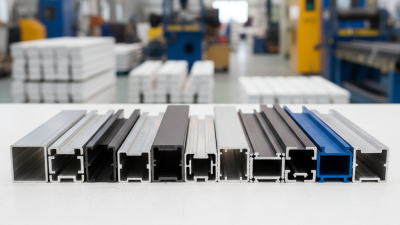
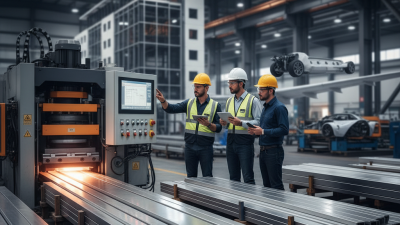
Extruded aluminum plays a vital role in modern manufacturing. It offers versatility, strength, and lightweight properties, making it popular in various sectors. Industries rely on extruded aluminum for its ability to be shaped into complex designs.
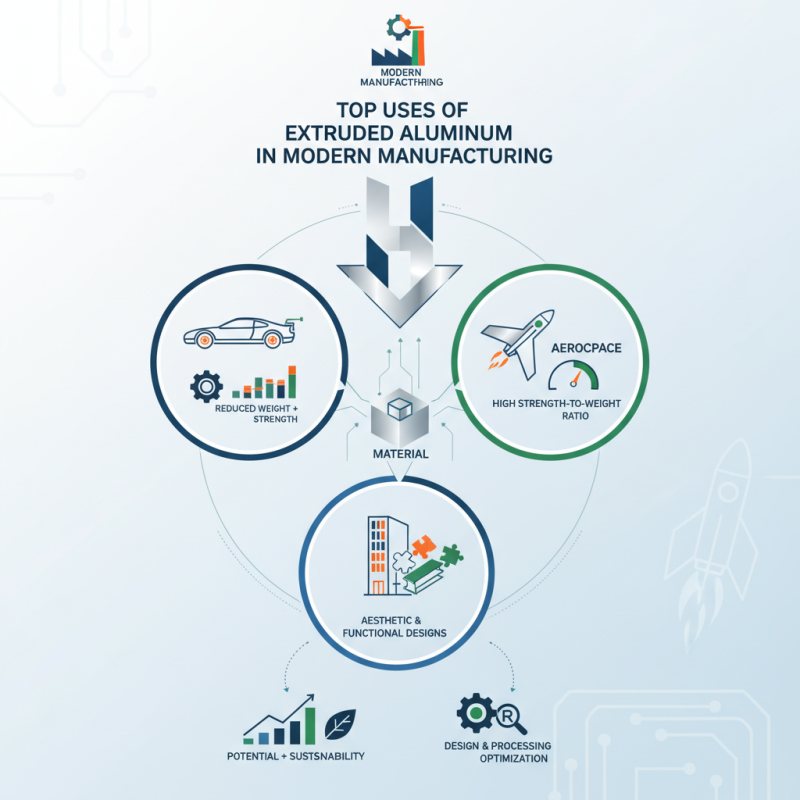
Extruded aluminum is found in automotive, aerospace, and construction. In automobiles, it helps reduce weight while maintaining structural integrity. In aerospace, the material's strength-to-weight ratio is essential for performance. Construction projects often use extruded aluminum for window frames and facades, showcasing its aesthetic and functional benefits.
Despite these advantages, there are challenges. Not all applications maximize the potential of extruded aluminum. Manufacturers must carefully consider design and processing to avoid waste. Reflecting on these aspects can lead to better implementations of this material in the future.
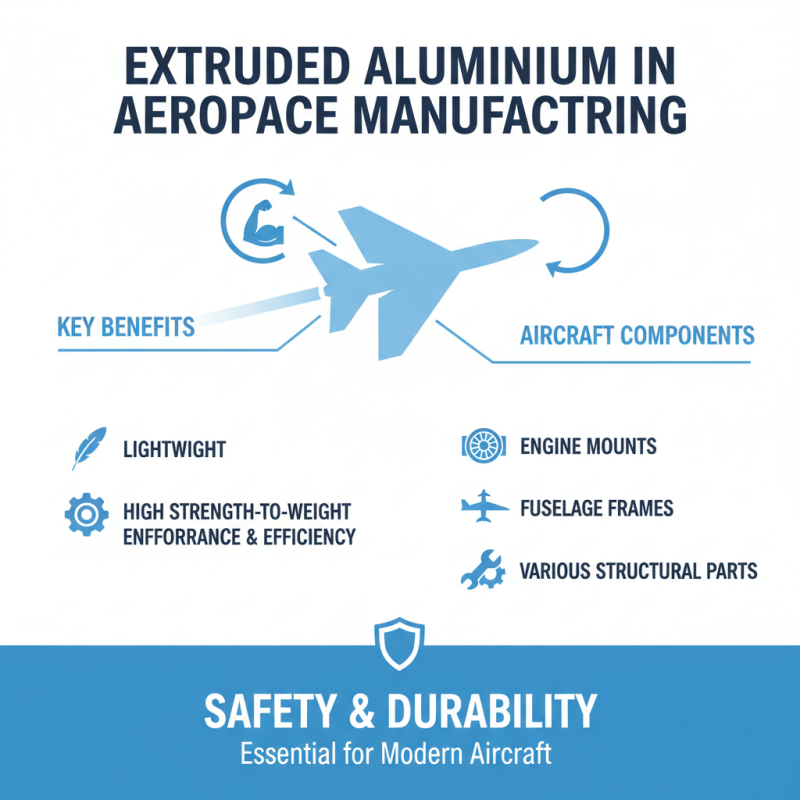
Extruded aluminum plays a vital role in aerospace manufacturing. This lightweight material enhances performance and efficiency. Its strength-to-weight ratio makes it ideal for aircraft structures. Many components, like engine mounts and fuselage frames, are crafted from extruded aluminum. These parts contribute to overall safety and durability.
One challenge with extruded aluminum is its production process. Ensuring uniformity in shape and size can be tricky. Variations may occur due to temperature changes during extrusion. Manufacturers must continually adjust their methods. This requires a diligent focus on quality control.
Design flexibility is another benefit. Engineers can create intricate shapes tailored for specific functions. This allows for innovative designs that improve aerodynamics. However, meeting stringent industry standards can complicate the process. Balancing creativity with compliance isn't always easy. The aerospace sector demands excellence and continuous improvement.

The automotive industry is rapidly evolving. Extruded aluminum plays a significant role in its innovations. Lightweight yet strong, aluminum helps manufacturers create efficient vehicles. With global demands for fuel efficiency, this material is vital in reducing overall vehicle weight.
Extrusion allows for complex shapes that enhance design flexibility. Many automakers are now using aluminum for frames, body panels, and even engine components. This versatility helps in meeting safety standards while improving performance. Increasingly, electric vehicles benefit from aluminum’s properties.
Tip: Consider the benefits of using extruded aluminum in your projects. It can lead to reduced costs in the long run.
However, not every application suits aluminum. Some designs may compromise strength for weight savings. Engineers need to assess each component carefully. Regular reviews of material choices can improve decision-making.
Tip: Always test prototypes before final production. Real-world performance can differ. Keeping an eye on the latest advancements in aluminum technology will ensure you stay ahead.
| Application | Benefits | Material Properties | Examples |
|---|---|---|---|
| Chassis Components | Lightweight, strong, enhances fuel efficiency | High strength-to-weight ratio, corrosion resistance | Suspension arms, cross members |
| Heat Exchangers | Efficient heat transfer, lightweight | Excellent thermal conductivity | Radiators, intercoolers |
| Frame Structures | Durability, design flexibility | Versatile extrusion shapes, UV resistance | Body frames, support structures |
| Interior Trim | Aesthetics, lightweight solutions | Surface finish options, design flexibility | Door handles, dashboard components |
| Electrical Enclosures | Thermal management, durability | Electrical conductivity, thermal conductivity | Battery housings, control units |
Extruded aluminum is gaining immense popularity in construction and building projects. Its strength-to-weight ratio makes it an excellent choice for various applications. According to a recent industry report, the global aluminum extrusion market is expected to reach $50 billion by 2025. This rapid growth is largely driven by the construction sector's increasing reliance on lightweight materials.
In building facades, extruded aluminum provides durability and aesthetic appeal. It's often used in window frames and cladding systems. Its resistance to corrosion elongates the lifespan of these structures. Additionally, it allows for complex designs without sacrificing performance. However, some projects may overlook the long-term maintenance costs associated with aluminum. This can lead to unexpected budget challenges.
**Tips:** Always consider the local climate. For coastal areas, select alloys with enhanced corrosion resistance. Proper insulation is also crucial. It minimizes energy loss, making buildings more efficient.
Furthermore, extruded aluminum is used in support structures and framing. Its customizable shapes cater to specific design needs. Yet, sourcing aluminum can be problematic due to global market fluctuations. This uncertainty might affect project timelines. Keeping an eye on market trends is essential for informed decision-making.
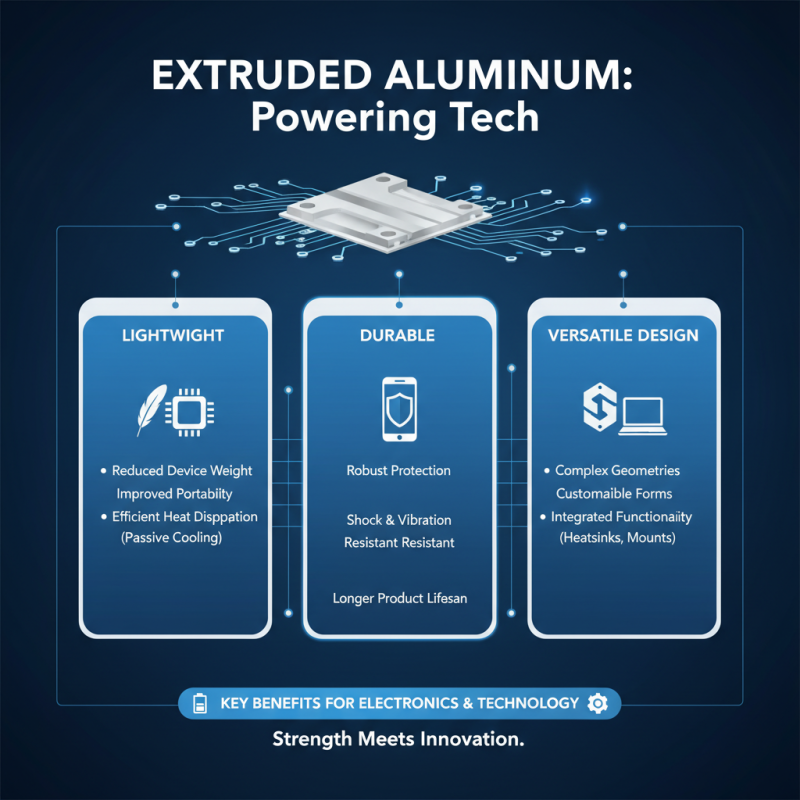
Extruded aluminum is gaining momentum in the electronics and technology sectors. Its lightweight and durable nature make it an ideal choice for various applications. These attributes allow manufacturers to create intricate designs while ensuring strength. This balance is crucial in technology, where performance is paramount.
The ability to dissipate heat efficiently is another significant benefit. Electronics generate heat during operation. Extruded aluminum helps manage this heat, preventing potentially harmful conditions. It’s not perfect, though; manufacturers must ensure proper design to optimize thermal management. This requires thoughtful considerations and adjustments during the design phase.
Tips: Consider the thickness of the aluminum. Thicker extrusions can enhance rigidity but may increase weight. Always evaluate the application demands before finalizing your designs. Using extrusion may require trial and error in some projects. Fabrication methods can lead to variations, which need reflection and testing in real-world conditions.
Extruded aluminum has transformed consumer goods manufacturing. This versatile material offers unique design and functionality. Its lightweight nature makes products easier to handle. According to a 2022 report by the Aluminum Association, extruded aluminum can reduce product weight by up to 30%. This is crucial in industries like automotive, where efficiency is key.
The design flexibility of extruded aluminum cannot be overstated. It allows for intricate shapes and sizes. Designers can create complex geometries that enhance aesthetics and functionality. Research indicates that 70% of designers prefer aluminum for its customization options. However, challenges remain. Many manufacturers still struggle to optimize the extrusion process for specific applications. Inefficiencies can lead to wasted material and higher costs.
Durability is another noteworthy advantage. Extruded aluminum is resistant to corrosion, increasing the product lifespan. In fact, studies show that aluminum can last over 50 years in harsh environments. This longevity adds value to consumer goods. Yet, heavy reliance on aluminum may pose environmental concerns. The carbon footprint of aluminum production needs addressing. Balancing performance with sustainability is essential for the future of extruded aluminum.
We’re here to help and answer your questions.