2026 Best Battery System in Poultry Buying Guide

Choosing the 2026 Best Battery System In Poultry requires more than comparing cage prices or supplier photographs. It demands evidence, practical experience, and careful attention to changing production standards. A modern Battery System In Poultry should support reliable feeding, watering, ventilation, manure handling, egg collection, and daily inspection. Small details matter. A jammed belt can damage eggs, increase labor, and disturb hens within minutes.

The European Commission’s Council Directive 1999/74/EC established minimum requirements for laying-hen housing. It also prohibited conventional battery cages in the European Union from 2012 and defined standards for enriched cages. These rules remain important reference points for international buyers, even where local legislation differs. EFSA’s scientific work on laying-hen welfare also highlights the importance of movement, nesting, perching, litter access, and injury prevention. Buyers should therefore examine welfare design, not only stocking capacity.

Industry planning should also consider market pressure. The OECD-FAO Agricultural Outlook 2024–2033 identifies poultry as a continuing growth area within global meat production. That growth increases the need for efficient, traceable, and adaptable housing equipment. USDA production and cost reports similarly show why labor efficiency and feed management remain practical purchasing concerns. However, reports cannot replace a farm visit. No system wins everywhere. I may favor automated collection, yet a small farm may need simpler controls and easier repairs. Compare corrosion resistance, spare-part availability, technician response, energy use, and cleaning access. Ask suppliers for tested performance records. Inspect a working installation. The best choice is rarely the most impressive brochure; it is the system that performs safely, legally, and consistently under your farm’s real conditions.
2026 Best Battery System in Poultry Buying Guide

What Is a Poultry Battery System and How Does It Work?

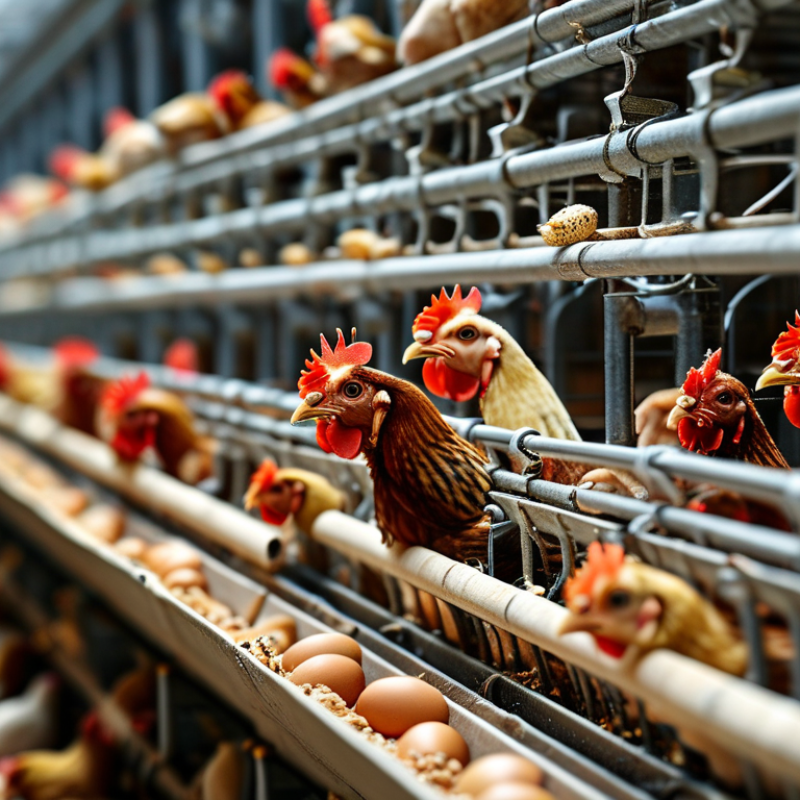
A poultry battery system is a series of connected cages arranged in rows and tiers. The term “battery” describes the cage structure, not an electrical device. Each cage normally holds a small group of hens, with shared equipment positioned along the row. A sloped floor allows eggs to roll gently toward a collection belt or tray. Feed travels through a trough, while nipple drinkers provide measured water.

The system works through coordinated daily routines. Automated belts collect eggs, conveyors move manure away, and ventilation controls temperature, humidity, and air movement. Farm technicians check drinker flow, feed levels, broken eggs, and unusual bird behavior. Small problems can spread quickly. A blocked nipple may leave several hens without enough water. Poor ventilation can create wet litter, dust, or excessive ammonia.

Good operation requires more than automation. Workers must inspect cages, belts, lighting, and emergency systems regularly. Records of mortality, egg damage, water use, and repairs help reveal hidden problems. Local welfare and housing rules should guide cage dimensions, stocking density, lighting, and handling procedures. Requirements differ between regions. The system can improve labor efficiency, but it is not perfect. Crowding, equipment failure, or careless maintenance may harm productivity and bird welfare. A careful buying decision should examine service access, cleaning design, spare parts, and the supplier’s technical documentation before installation.

Key Types of Battery Systems Used in Poultry Farming

2026 Best Battery System in Poultry Buying Guide

Battery systems are tiered housing units designed to use vertical space efficiently. Conventional battery cages usually hold laying hens in compact rows, with feed troughs, nipple drinkers, and sloped floors for egg collection. They offer clear visibility and efficient labor control. However, limited movement can create welfare concerns, depending on local standards and farm goals.

Enriched or furnished cages add perches, nesting areas, and scratching zones. These features give hens more opportunities to express natural behavior, but they reduce usable space and may complicate cleaning. Egg collection can also become less predictable. A small design detail matters. Poorly positioned perches may cause broken eggs or dirty feathers.

Automated battery systems combine cages with manure belts, climate controls, and mechanical feeding lines. They suit farms seeking consistent routines and lower manual handling. Check belt alignment, ventilation, emergency access, and spare-part availability before purchase. Moisture around drinker lines deserves close attention. One leaking nipple can increase odor and belt maintenance.

System capacity should match flock size, labor skills, building height, and water quality. Cheap equipment may appear practical, yet weak welds or narrow inspection doors create daily problems. A reliable evaluation includes observing a working house during feeding, egg collection, and cleaning. No system is perfect. Even an efficient layout may need adjustment after the first production cycle.

2026 Best Battery System in Poultry Buying Guide - Key Types of Battery Systems Used in Poultry Farming

Battery System Type Typical Bird Capacity Typical Space Provision Common Tier Configuration Manure Removal Feeding and Drinking Best-Fit Application Main Buying Considerations
Conventional Layer Battery Cage Usually 3–10 laying hens per compartment; capacity depends on cage width and compartment design. Common commercial designs provide approximately 350–450 cm² per hen. Actual minimums vary by country and welfare regulations. Usually 3–5 tiers in manually or automatically operated houses. Manure belts, scrapers, or collection pits may be used. Manure belts generally reduce storage time under the cages. Feed troughs are positioned along the front; nipple drinkers or drinking cups are installed inside each cage row. High-density egg production where conventional cages are legally permitted. Check local cage restrictions, cage-wire quality, ventilation between tiers, bird access to feed and water, and ease of inspection.
Enriched Colony Battery System Commonly 20–120 hens per colony, with colony size adjusted to house layout and local rules. In jurisdictions following European requirements, at least 750 cm² total area per hen is used, including at least 600 cm² of usable area. Typically 2–4 tiers to balance stocking density, visibility, and service access. Usually equipped with manure belts below each tier; some designs use a central pit or scraper system. Automatic chain or pan feeding with nipple drinkers; nests, perches, and litter or scratching areas are incorporated. Egg production requiring additional behavioral features and compliance with enriched-cage standards. Evaluate usable floor area, nest-to-hen ratio, perch space, litter management, egg cleanliness, and inspection access.
A-Type Layer Battery System Often arranged in rows with several compartments per tier; the total capacity is determined by row length and number of tiers. Space per hen follows the selected cage model and applicable regulations; the sloped wire floor is commonly designed to move eggs toward the collection side. Commonly 2–4 tiers in an A-frame arrangement, with stepped rows that allow access from the aisle. Manure typically drops into exposed channels or onto belts located beneath the cage levels. Feed troughs and water lines are accessible from the aisle; automatic feeding and nipple drinkers are widely used. Small to large layer houses where straightforward access and moderate equipment complexity are preferred. Compare usable house width, aisle space, manure accumulation, egg collection height, and cleaning requirements.
H-Type Layer Battery System Designed for high-capacity houses; each cage row can contain multiple compartments across several vertically stacked levels. Bird space is specified by the cage compartment and local standards rather than by the H-frame itself. Usually 3–8 tiers, depending on building height, ventilation design, and equipment access. Manure belts are commonly installed beneath individual tiers, with scheduled removal to an external storage area. Automatic feed lines and nipple drinker lines are normally integrated into every tier. Large commercial layer facilities seeking high use of vertical building space. Check structural load, lighting uniformity, ventilation at upper tiers, emergency access, belt maintenance, and power requirements.
Broiler Battery Cage Frequently houses approximately 15–50 broilers per compartment, depending on bird age, final weight, and cage dimensions. Typical planning values are approximately 450–700 cm² per bird, but stocking density must be calculated from final live weight and local welfare rules. Usually 2–4 tiers to maintain access, ventilation, and safe bird handling. Manure belts or removable trays are used to limit contact between birds and accumulated manure. Feed troughs or pans and nipple drinker lines are installed at each level; height adjustment is important as birds grow. Broiler production in facilities designed for controlled, short-cycle housing. Prioritize ventilation, heat removal, floor strength, bird handling, stocking density by live weight, and fast cleaning between flocks.
Pullet Rearing Battery Cage Commonly 10–30 pullets per compartment, depending on pullet age, body size, and cage dimensions. Typical planning space is approximately 300–500 cm² per pullet, increasing as birds grow and subject to local standards. Usually 2–4 tiers, with adjustable equipment for different growth stages. Manure belts, trays, or pit systems may be used; frequent removal helps control ammonia during the rearing period. Adjustable feed troughs and nipple drinkers are used to match pullet height and encourage uniform access. Rearing replacement pullets before transfer to layer housing. Check body-weight uniformity, lighting programs, drinker height adjustment, ease of catching, and compatibility with the later layer system.
Multi-Tier Colony or Aviary-Style Battery System May house several hundred birds in a connected unit, depending on floor area, tier number, and management plan. Space is normally calculated from usable floor area, litter area, perch space, nest provision, and applicable welfare requirements. Usually 2–4 functional levels with ramps, platforms, perches, nests, and litter areas. Manure belts are commonly located beneath elevated platforms; litter areas require separate cleaning and moisture control. Feed and water lines are distributed across levels to prevent crowding and unequal access. Alternative egg production systems requiring greater bird movement and behavioral facilities. Assess bird flow, training requirements, egg collection efficiency, litter moisture, dust control, collision risks, and labor needs.
Buying note: Capacity and space figures are typical planning ranges rather than universal specifications. Final selection should comply with the applicable animal-welfare, stocking-density, building, fire-safety, ventilation, and electrical regulations in the target market. For broilers, stocking density should be verified using final live weight per square metre, not bird numbers alone.

How to Evaluate Battery Capacity, Safety, and Performance

A reliable poultry battery system must keep essential equipment running when grid power fails. Focus on real capacity, not the number printed on the casing. Calculate the combined wattage of ventilation fans, lighting, feeders, alarms, and monitoring devices. Multiply that load by the required backup hours, then allow extra capacity for conversion losses and battery aging. A 20% to 30% reserve is practical. Larger capacity is not always better.

Safety deserves equal attention. Choose a system with overcharge, short-circuit, over-temperature, and deep-discharge protection. The battery area should stay dry, ventilated, and protected from dust, moisture, and accidental impact. Check the enclosure regularly for swelling, corrosion, loose terminals, or unusual heat. Ask for independent test records and clear maintenance instructions. A supplier’s runtime claim may look convincing, but farm conditions can reduce it sharply. I have seen this gap cause poor decisions.

Tips: Test the system under a realistic load before installation. Record voltage, backup time, recharge time, and alarm response. Inspect performance during hot and cold seasons. Keep written service logs. Replace weak units early. Do not ignore small warning signs. Performance also means stable voltage and quick recovery after an outage. Still, every poultry house is different, so one calculation may need revision after real-world testing.

Which Features Matter When Choosing a 2026 Poultry Battery System?

2026 Best Battery System in Poultry Buying Guide

Choosing a poultry battery system requires more than counting cages. The OECD-FAO Agricultural Outlook 2023-2032 projects poultry meat to provide 41% of expected global meat production growth through 2032. Efficiency will matter. Start with bird comfort, airflow, feeding accuracy, and service access. Adjustable feeders should limit waste, while nipple drinkers need stable pressure. Small leaks can wet manure belts and increase cleaning work.

Ventilation deserves close attention. The European Commission’s 2017 BAT reference document connects controlled ventilation and regular manure removal with lower ammonia emissions. Select a system with reliable fans, temperature sensors, alarms, and emergency power connections. Data logging helps managers identify heat stress before mortality rises. It is not optional during hot weather.

Look for corrosion-resistant steel, washable surfaces, and simple belt inspection points. The system should allow safe access without disturbing every flock. Check stocking density, cage dimensions, and welfare requirements under local rules. Those details vary by region. A low purchase price can hide expensive repairs. I would test the drinker line, alarm response, and backup power before signing. One weakness remains: digital monitoring cannot replace daily observation. A quiet house may still contain blocked nipples, injured birds, or failing ventilation. The design should support both data and human judgment.

How to Compare Costs, Maintenance, and Long-Term Value

A good poultry battery system should be judged by total cost, not its purchase price. The FAO’s Poultry Development Review notes that feed can represent 60–70% of production costs. That makes feed access, bird movement, and manure control financially important. Compare feed wastage around each row. Check whether conveyors prevent spills and whether water lines remain easy to inspect.

Maintenance costs are often underestimated. Examine galvanized steel thickness, weld quality, belt access, and replacement-part availability. Small parts matter. A blocked nipple or damaged belt can interrupt several rows, not just one cage. USDA Economic Research Service poultry cost data consistently identifies feed, labor, and energy as major operating expenses. Therefore, request five-year estimates for electricity, cleaning time, repairs, and labor hours. Do not accept only the supplier’s projected savings.

Long-term value also depends on bird health and working conditions. The USDA APHIS National Animal Health Monitoring System reports provide useful benchmarks for mortality, disease management, and flock performance. Ask whether the system supports clear observation, quick removal of injured birds, and reliable ventilation. A lower-density design may cost more initially but reduce handling problems. However, this is not automatic. Poor training can erase the benefit. I would test one section for a full production cycle, recording feed use, downtime, broken components, and labor minutes before expanding the purchase.

Enquire Now

We’re here to help and answer your questions.