2026 Top Aluminium Anodise Trends for Global Buyers?
The landscape of Aluminium Anodise technology is rapidly evolving. In recent years, the global market for anodized aluminum has reached an impressive valuation, exceeding USD 4 billion in 2022, according to industry reports. This growth reflects the increased demand across various sectors, including construction, automotive, and consumer electronics.
As we approach 2026, several key trends emerge for global buyers. Enhanced aesthetic qualities and improved durability are driving the adoption of Aluminium Anodise finishes. More consumers seek sustainable options, prompting manufacturers to innovate in environmentally friendly anodizing processes. The rise of automated finishing lines is notable, reducing costs while maintaining high-quality outputs.
Despite promising advancements, challenges remain. High energy consumption in traditional anodizing methods raises concerns for eco-conscious buyers. Additionally, fluctuating raw material prices can impact overall production costs. Navigating these complexities requires a thorough understanding of the Aluminium Anodise market, alongside careful supplier selection to ensure reliability and quality in products.
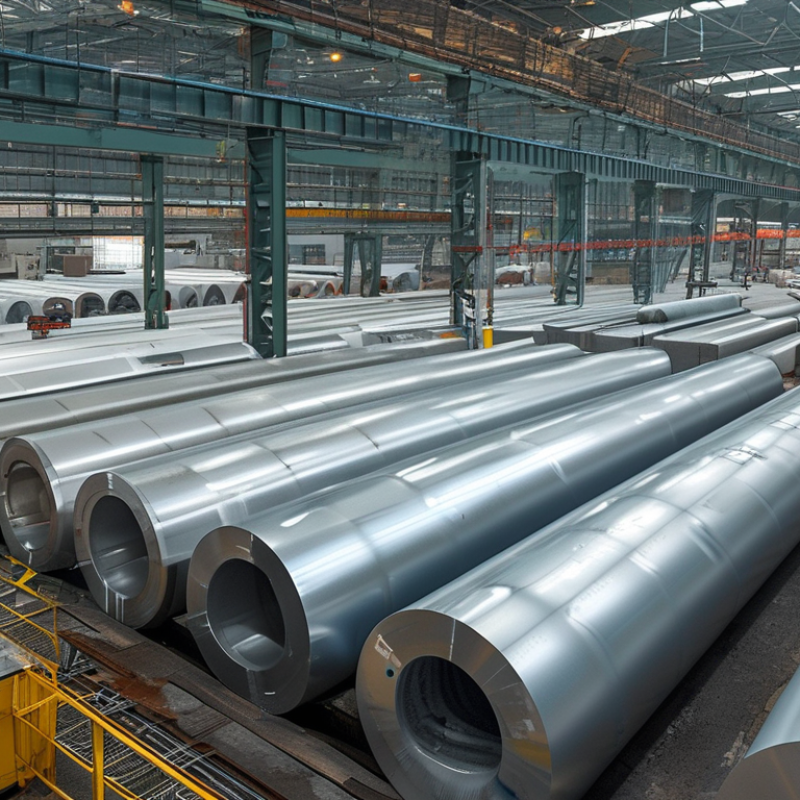
The Rise of Anodised Aluminium in the Global Construction Sector
The rise of anodised aluminium in the global construction sector is notable. This metal offers unique benefits that are shaping modern architectural design. Its durability makes it an ideal choice for various building applications. Anodised aluminium is resistant to corrosion, which enhances the lifespan of structures. It also requires less maintenance, making it cost-effective in the long run.
Sustainability is another key factor driving its adoption. As the construction industry seeks greener solutions, anodised aluminium stands out. It is recyclable, reducing waste and promoting eco-friendly practices. However, challenges remain. The initial cost can be higher than traditional materials. Additionally, not all regions have access to advanced anodising technologies. These factors can limit the widespread use of this material.
Nevertheless, architects and builders are increasingly aware of the advantages. Anodised aluminium provides aesthetic appeal through a variety of finishes. It helps align with contemporary design trends that emphasize functionality and style. As more projects embrace this material, ongoing discussions about its economic and environmental impact are crucial. The construction sector must continuously adapt to these evolving trends.
2026 Top Aluminium Anodise Trends for Global Buyers
| Trend | Description | Impact on Construction | Projected Growth (%) |
| Increased Use in Facades | Anodised aluminium is increasingly used in building facades for its aesthetics and durability. | Enhances building appearance, energy efficiency, and reduces maintenance costs. | 15% |
| Sustainable Practices | Growing demand for eco-friendly anodising processes and recycled materials. | Supports green building certification and improves corporate social responsibility image. | 20% |
| Color Anodising | Increased variety of colors available through anodising, enhancing design possibilities. | Allows architects to create visually striking facades and interiors. | 10% |
| Technological Innovations | Advancements in anodising technology, including improved coatings and finishes. | Enhances durability and performance of anodised aluminium components. | 18% |
| Global Market Expansion | Rise of anodised aluminium adoption in emerging markets. | Increases supply chain opportunities and market penetration. | 25% |
Innovative Coating Technologies Enhancing Aluminium Anodising Processes
The aluminium anodising sector is experiencing a wave of innovative coating technologies. These advancements aim to enhance durability and aesthetic appeal. Recent studies indicate that the global anodised aluminium market is expected to reach $7 billion by 2026. This growth underscores the importance of staying abreast of the latest trends and technologies.
One significant innovation is the use of environmentally friendly anodising processes. These processes reduce waste and energy consumption. Advanced electrolytes and improved process controls enhance the quality of the anodised layers. Research from industry analysts highlights that adopting green technologies could lower production costs by up to 15%. However, the implementation can be challenging and may require an upfront investment.
Tip: Regularly assess your anodising processes for potential upgrades. Small changes can lead to significant savings over time. Additionally, consider testing various anodising techniques to discover which best suits your products’ needs.
Another emerging trend is the use of nanotechnology in anodising. It offers unique properties, such as enhanced corrosion resistance. A report suggests that nanocoated aluminium can last up to twice as long in harsh environments compared to traditional methods. However, not all manufacturers may fully understand these technologies, leading to variable quality and performance.
Tip: Stay educated about these advancements. Attending workshops or industry conferences can provide valuable insights. Networking with experts can also unveil best practices and innovative solutions in anodising.
Shifts in Consumer Preferences Driving Sustainable Anodised Aluminium Products
The demand for sustainable anodised aluminium products is rising. Consumers are increasingly conscious of their environmental impact. This shift in preferences is reshaping the industry. Many buyers now prioritize eco-friendly options over traditional products. They seek materials that are both durable and recyclable.
Anodising aluminium not only enhances its appearance but also extends its lifespan. However, the production processes can sometimes leave a significant carbon footprint. The industry must tackle these challenges to meet consumer expectations. Buyers are looking for transparency regarding sourcing and production practices. They want to know how their choices affect the planet.
Adopting more sustainable methods is essential. Innovations such as water-based anodising systems offer promise. Yet, not all companies have made these shifts. There is still a long way to go. Manufacturers might need to rethink their strategies. Embracing change can lead to better practices and higher consumer satisfaction. The future of anodised aluminium will require balancing aesthetics and environmental responsibility.
Market Analysis: Projected Growth of the Global Aluminium Anodise Industry
The global aluminium anodise industry is set for significant growth by 2026. A recent report from Research and Markets predicts a compound annual growth rate (CAGR) of approximately 5.2% during the forecast period. This trend reflects increasing applications across automotive, aerospace, and construction sectors. The rising demand for lightweight materials enhances this market’s potential.
Market dynamics will increasingly favor environmentally friendly anodising processes. Consumers are now more aware of sustainable practices. Reports highlight that nearly 70% of industry players are adopting eco-friendly methods. Additionally, technological advancements in anodising techniques are expected to improve efficiency and quality.
Despite this positive outlook, challenges remain. The volatility in raw material prices could pose risks to manufacturers. Some companies might struggle to maintain quality while reducing costs. Continuous investment in research and development will be crucial. Stakeholders need to adapt quickly to changing consumer preferences and regulatory requirements. The growth of the aluminium anodise market may not be straightforward but offers exciting opportunities.
Regulatory Standards Impacting Aluminium Anodising Practices Globally
The aluminium anodising industry faces evolving regulatory standards that shape its practices worldwide. Various countries have established guidelines to ensure safety and environmental protection. These regulations can impact everything from the chemical processes used to the disposal of waste.
In Europe, stringent REACH regulations control the use of hazardous substances. Compliance with these rules often requires in-depth knowledge of materials used in anodising. Many companies struggle to keep up with these requirements, leading to gaps in their processes. The challenge lies not only in following the rules but also in maintaining quality and efficiency.
In North America, there are ongoing discussions about sustainability in anodising practices. Companies must navigate a landscape focused on reducing environmental footprints. This adds complexity to their operations. Balancing adherence to regulations and operational efficiency can be difficult, yet it is essential for market competitiveness. Many companies are learning the importance of continuous reflection on their practices to align with these changes effectively.