In the ever-evolving landscape of manufacturing industries, experts predict transformative changes ahead. According to Dr. Rachel Smith, a leading figure in industrial innovation, "The future of manufacturing lies in adaptability and technology." As we look towards 2026, several trends are shaping the growth of these sectors.
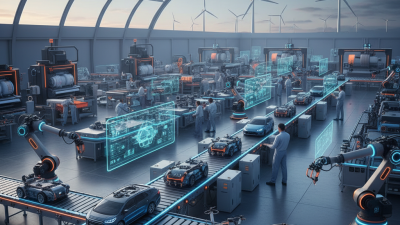
The integration of automation and data analytics is driving efficiency. Manufacturers are exploring smart factories equipped with IoT technology. This enables real-time monitoring and agility in production. However, challenges remain. Companies must balance the high costs of new technology with the need for sustainability.
Moreover, workforce development is crucial. Skilled labor shortages threaten progress. Investing in training programs will be vital to equip workers with necessary skills. The success of manufacturing industries depends on their ability to adapt and grow amid these complexities and uncertainties. As we explore the trends for future growth, the focus must remain on innovation while addressing evolving workforce needs.
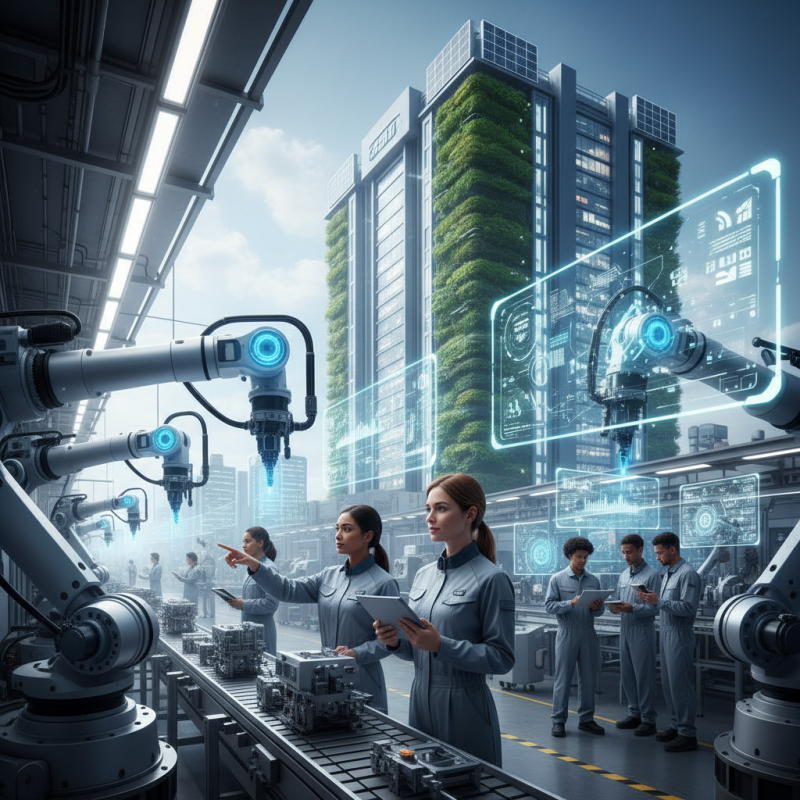
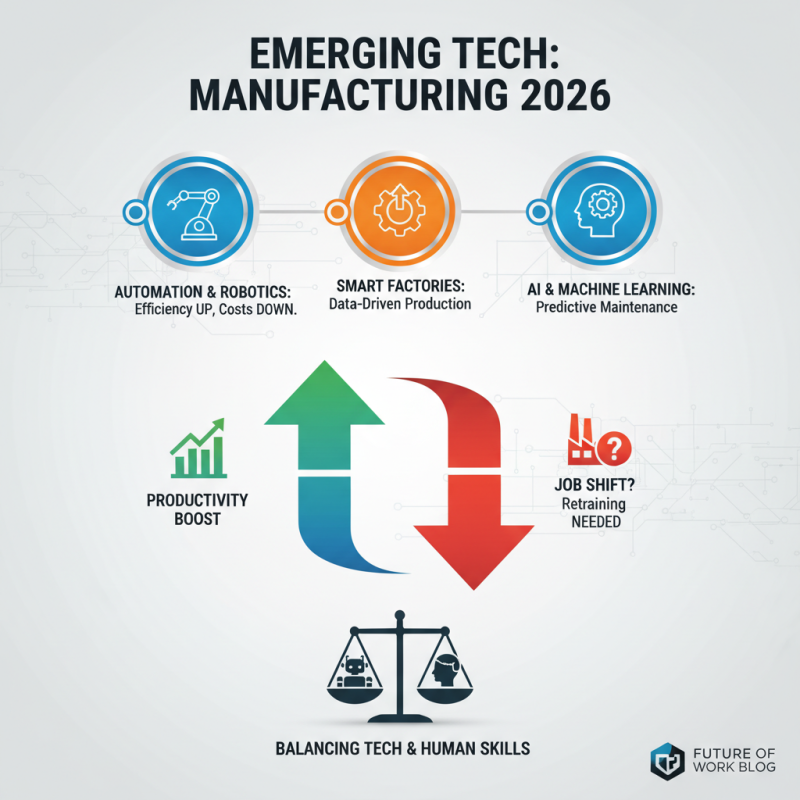
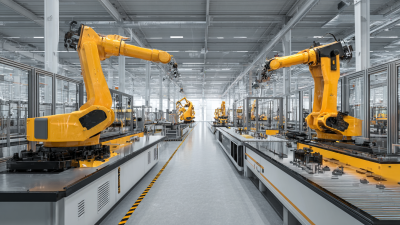
In 2026, manufacturing is experiencing rapid transformation due to emerging technologies. Automation is at the forefront. Robotics are becoming standard in assembly lines. They increase efficiency and reduce labor costs. However, this shift raises concerns about job displacement. Workers need training to thrive in this new landscape. Companies must balance advanced tech with human skills.
Artificial intelligence (AI) is also revolutionizing decision-making processes. AI analyzes data to optimize production schedules. It can predict equipment failures before they happen. This predictive maintenance minimizes downtime and saves money. Still, reliance on AI can lead to overconfidence. Mistakes can arise without human oversight. It’s crucial to maintain a balance between machines and human intuition.
Lastly, additive manufacturing, or 3D printing, is changing product development. It allows for rapid prototyping and customization. Yet, the scalability of production remains a challenge. Not all products can be efficiently created this way. Companies must explore when and where to apply this technology. As we advance, the dialogue on these technologies must continue. Addressing their shortcomings is essential for sustainable growth in manufacturing.
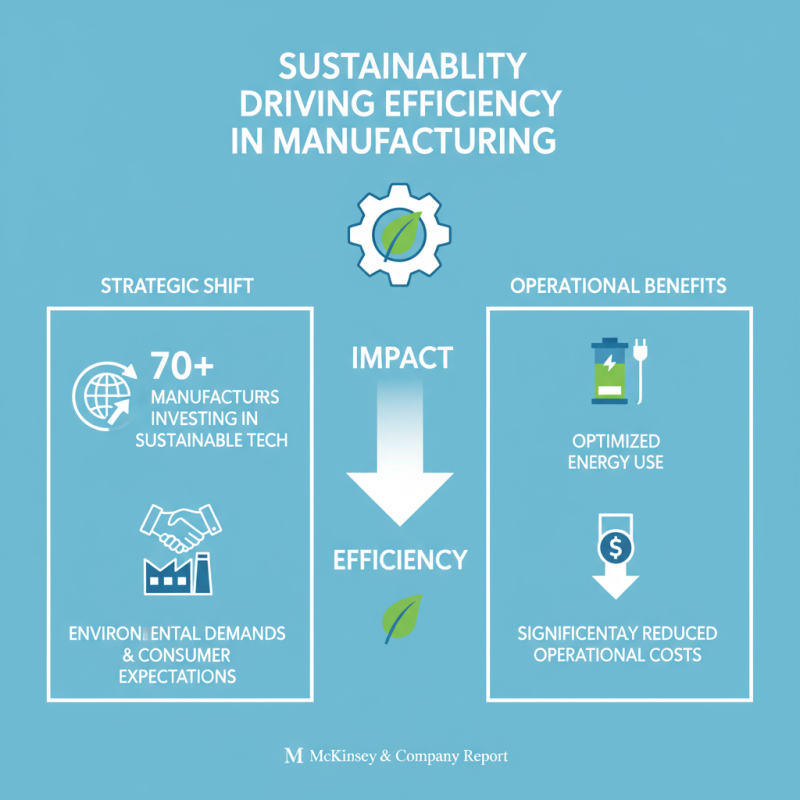
Sustainability practices are increasingly shaping the future of manufacturing industries. A report by McKinsey & Company highlights that over 70% of manufacturers are investing in sustainable technologies. This trend is not merely reactive; it is a strategic response to environmental demands and consumer expectations. Industries are optimizing energy use, which can reduce operational costs significantly.
For example, reducing energy consumption by 20% can lead to millions in savings annually. Many companies are also adopting circular economy principles. This approach involves repurposing waste materials to create new products. As a result, organizations report improved efficiency and resource utilization. According to the World Economic Forum, companies engaged in sustainable practices see a 5-15% increase in performance metrics compared to their traditional counterparts.
However, the transition to sustainability is not without challenges. Many manufacturers face difficulties in implementing these practices effectively. Lack of expertise and insufficient infrastructure often hinder progress. Additionally, measuring the impact of sustainability initiatives remains complex. Companies need robust data analytics to track improvements accurately and foster transparency. This ongoing journey demands commitment and adaptability from industry leaders.
Automation plays a critical role in modern manufacturing. By integrating
advanced technologies, companies can enhance production efficiency. Machines and software
can streamline operations, reducing the need for manual intervention. This shift not only saves
time but also minimizes human errors.
However, the implementation of automation is not without challenges. Many businesses face high initial costs and require
training for their workforce. Moreover, there's a valid concern about job displacement
due to increased automation. The balance between technology and human skills is delicate. Companies must thoughtfully navigate this transition.
Despite potential downsides, the benefits of automation in reducing costs are compelling. With better resource management, manufacturers can
cut expenses while improving quality. The journey into automation demands careful planning,
evaluating risks and rewards. Engaging employees in this process will be key to success.
More than just adopting new technologies, it's about fostering a culture of innovation.
The manufacturing landscape is rapidly evolving. Supply chain innovations are at the heart of this transformation. New technologies like AI and IoT are driving efficiency. These tools enable real-time monitoring and forecasting, which can reduce costs and waste significantly. Manufacturers can now track their entire supply chain with unprecedented granularity. This allows for quicker responses to market demands.
However, challenges remain. Implementation of these technologies can be costly and complex. Not all companies have the resources to adapt swiftly. Smaller manufacturers may struggle to keep pace, risking their competitiveness. Moreover, the reliance on technology may expose vulnerabilities. Cybersecurity threats are a growing concern. Companies must weigh the benefits of innovation against these risks. Achieving balance is crucial for sustainable growth in the industry.
Innovation also demands a cultural shift in organizations. Employees need training to adapt to new systems. Resistance to change can hinder progress. Therefore, fostering a culture of openness and adaptability is vital. Collaboration among stakeholders becomes essential to navigate this intricate landscape. The future of manufacturing lies in how well companies embrace these innovations while managing the associated challenges.
In the fast-evolving landscape of manufacturing, workforce development is critical. Workers must adapt to new technologies like automation and AI. This requires a shift in skills. Traditional skills may no longer suffice. Companies need employees who can troubleshoot complex machinery and data-driven processes.
Hands-on training is essential. Many educational institutions are now partnering with manufacturers. They create tailored programs that align with industry needs. These programs may include internships or apprenticeships, allowing students to gain real-world experience. Continuous learning and certifications will also be vital.
However, not every worker may feel equipped for these changes. There can be a gap in technology skills among the current workforce. This gap poses a challenge for companies looking to innovate. Overcoming this hurdle will take time and investment. A focus on mentorship and community resources can help bridge this divide. We must commit to a learning culture, fostering adaptability and resilience.
We’re here to help and answer your questions.