Top 10 Advanced Manufacturing Trends You Need to Know?

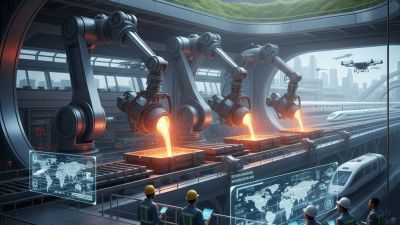
In the rapidly evolving landscape of manufacturing, "advanced manufacturing" stands at the forefront. This term encompasses innovative technologies that enhance efficiency, quality, and flexibility. Industries are embracing methods such as automation and artificial intelligence to stay competitive. These advancements not only streamline production but also reduce costs.

As companies adopt new technologies, they face both challenges and opportunities. The integration of robotics and smart systems may improve productivity, yet it requires skilled workers adept in these fields. Balancing technological adoption with workforce training is crucial. Some organizations may struggle with implementation and maintaining production quality.

Understanding the latest trends is essential for success. Companies must adapt to changes in consumer demand and industry standards. Advanced manufacturing can lead to sustainable practices and improved supply chain management. It encourages companies to innovate continuously, ensuring they remain relevant in a challenging market landscape.
Top 10 Advanced Manufacturing Trends You Need to Know?

Overview of Advanced Manufacturing Trends Shaping the Industry

Advanced manufacturing is highly dynamic, influenced by rapid technological advancements. Emerging trends transform how products are designed, made, and delivered. Automation plays a vital role, enabling precision and efficiency. However, companies face challenges in integrating new systems with existing workflows. Balancing innovation and legacy processes requires careful planning.

Sustainability has become a focal point in manufacturing. Many firms are exploring eco-friendly materials and reducing waste. This shift not only benefits the environment but also meets consumer demand for sustainable practices. Yet, some organizations struggle with the cost of transitioning to greener methods. It prompts a critical evaluation of long-term benefits versus immediate expenses.

Digitalization continues to reshape the landscape. Smart factories harness data to streamline operations. Yet, not all companies have the skills to fully exploit data analytics. Training workforce remains a hurdle. As these technologies evolve, organizations must consistently reassess their strategies to stay competitive. Embracing change should come with a dose of caution and a willingness to learn.
Top 10 Advanced Manufacturing Trends

Impact of Industry 4.0 on Production Efficiency and Innovation

The rise of Industry 4.0 has transformed manufacturing processes dramatically. Smart factories utilize interconnected devices and AI technology to streamline operations. This shift not only enhances production efficiency but also fosters innovation. By employing real-time data analytics, companies can identify bottlenecks swiftly and adjust accordingly.

However, this transition is not without its challenges. Many organizations struggle with integrating new technologies into existing frameworks. The need for skilled workers to operate sophisticated machinery is critical. Moreover, the reliance on data raises concerns about cybersecurity. Companies must balance innovation with safety protocols to protect sensitive information.

As industries adopt these advanced methodologies, they face a steep learning curve. Adapting to new trends requires ongoing training and development of the workforce. Embracing Industry 4.0 is essential, but it demands careful planning and execution. Businesses should continuously evaluate their processes and remain open to adjustments as technology evolves.

Role of Automation and Robotics in Streamlining Manufacturing Processes

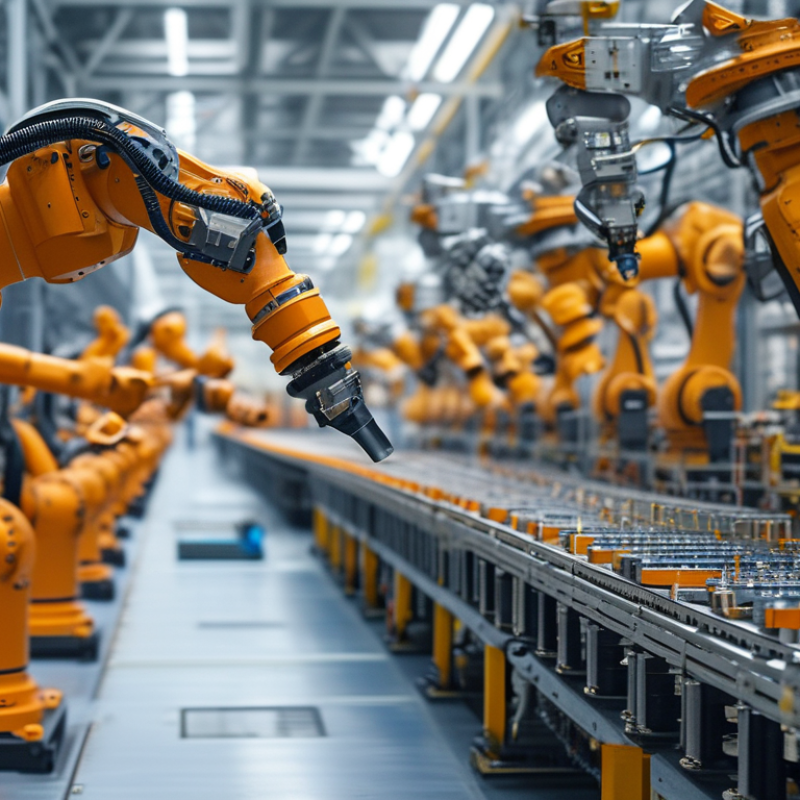
Automation and robotics are reshaping manufacturing processes significantly. These technologies streamline operations and increase efficiency, enabling companies to remain competitive. Automation allows for repetitive tasks to be completed swiftly. Robots take on heavy lifting, reducing the risk of injury to human workers.

Incorporating automation requires careful planning. One tip is to evaluate specific processes that can benefit from robotic assistance. For example, consider machine tending or assembly tasks. Another important aspect is training staff. Employees need to understand how to work alongside robots effectively. Miscommunication can lead to errors or accidents.

Be prepared for some challenges. Not all workers may adapt easily to these technologies. Resistance to change can slow down implementation. Regular feedback from staff can help identify concerns. This practice builds trust and aids in smoother transitions. Embracing automation is a journey, and reflection on its impacts is crucial.

Sustainability Practices and Their Integration in Advanced Manufacturing

Sustainability is becoming essential in advanced manufacturing. Many companies are adopting eco-friendly practices to reduce waste and minimize their carbon footprint. According to a report by McKinsey, 70% of manufacturers view sustainability as a key competitive advantage. This perspective is reshaping their operational strategies.

Integrating sustainability into advanced manufacturing is not without challenges. The technology required can be costly. Transitioning to renewable energy sources or implementing recycling programs need significant initial investment. However, companies that embrace these changes are reaping long-term benefits. Research indicates that sustainable companies see a 4% higher profit margin than their less sustainable counterparts.

Efforts in sustainable innovation also focus on reducing material waste during production. The Ellen MacArthur Foundation states that a circular economy approach can reduce manufacturing waste by up to 80%. Yet, many manufacturers still struggle to implement these practices effectively. The gap between knowledge and execution highlights the need for continuous improvement and adaptation in the industry.

Emergence of Additive Manufacturing and Its Future Applications

Additive manufacturing, or 3D printing, is transforming the production landscape. This technology allows for creating complex parts layer by layer. Industries are adopting it for rapid prototyping, custom tooling, and low-volume production. Rather than traditional subtractive methods, additive manufacturing minimizes waste. It uses only the material needed, a significant advantage in sustainability.

Looking ahead, the future applications of additive manufacturing appear promising. Aerospace and medical sectors are leading the way in innovation. Custom implants, aircraft components, and tools can be efficiently produced. However, challenges remain. Material limitations and quality assurance need more research and development. Businesses must grapple with scaling production while maintaining quality control.

These complexities represent both a hurdle and an opportunity. Companies can experiment with new materials and designs. Adopting additive manufacturing requires a mindset shift. As the industry matures, it will expand into other domains. The potential for smarter production and design continues to evolve. This evolution requires careful consideration and adaptation from all stakeholders.

Enquire Now

We’re here to help and answer your questions.