Aluminium CNC machining is a cornerstone of modern manufacturing. This process offers precision and efficiency for various industries. Experts highlight its benefits extensively. John Smith, a renowned expert in the aluminium CNC sector, states, "Aluminium CNC machining transforms ideas into tangible solutions."
The advantages of aluminium CNC machining are numerous. It allows for intricate designs and rapid production. The technology ensures high accuracy, making it ideal for aerospace and automotive applications. Furthermore, aluminium's lightweight properties enhance product performance. However, this technology can have a steep learning curve and requires proper training.
Buyers often face challenges in selecting the right machining services. Understanding material properties and machining capabilities is essential for optimal results. The quest for quality and reliability can be daunting. Yet, with knowledgeable partners, businesses can harness the full potential of aluminium CNC processes.
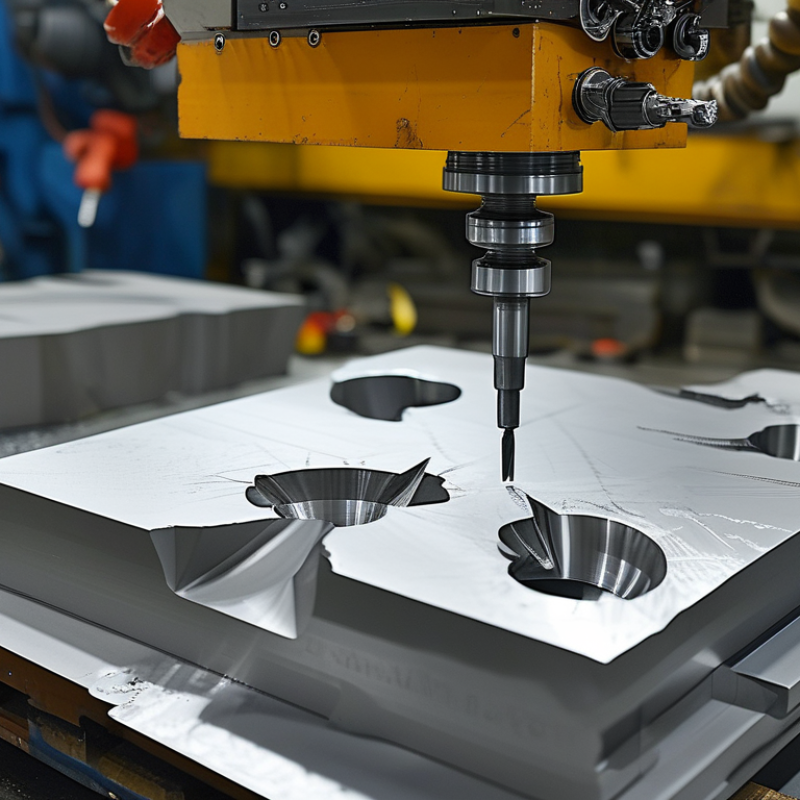
Aluminium CNC machining is a precise manufacturing technique used to create intricate parts from aluminium. This process involves the use of computer numerical control (CNC) machines, which operate based on programmed designs. The machines cut, mill, and shape the aluminium, resulting in high-quality components. Many industries rely on aluminium for its lightweight and durable properties.
One of the striking benefits of aluminium CNC machining is its accuracy. The CNC machines can achieve tolerances as tight as a few microns. This precision is crucial in applications like aerospace and medical devices. However, achieving this level of precision requires skilled operators and regular maintenance of the machinery. Inexperienced handling can lead to errors and wastage of material.
Another advantage is the flexibility it offers. CNC machining can accommodate various designs, making it suitable for both prototypes and bulk production. This versatility may not always guarantee efficiency; sometimes, complex designs may lead to longer production times or increased costs. Balancing design complexity and functionality is essential for optimal results. Ensuring clear communication between designers and machinists is vital in this process.
| Dimension | Details |
|---|---|
| Material | Aluminium |
| Process | CNC Machining |
| Precision Level | High Precision |
| Applications | Aerospace, Automotive, Electronics |
| Benefits | Cost-effective, Lightweight, Corrosion Resistant |
| Customization | High Level of Customization Available |
| Lead Time | Shorter Lead Times Compared to Traditional Methods |

CNC machining for aluminium parts is a precise and efficient method. This process involves using computer-controlled tools to shape aluminium into desired forms. It ensures high accuracy and consistency across large production runs. According to a report by Grand View Research, the CNC machining market size was valued at USD 63.89 billion in 2021 and is expected to grow due to increased demand for customised complex parts.
The CNC machining process for aluminium begins with CAD designs. These designs are then converted into CNC machine programs. The machines use various cutting tools to remove material from the aluminium block. This allows for intricate geometries and tight tolerances, often to within ±0.005 inches. However, machining aluminium can produce waste material and requires careful planning. Managing tool wear and maintaining equipment are crucial but can sometimes be overlooked.
Despite its advantages, some challenges persist in CNC machining for aluminium. Variability in raw aluminium quality affects final product integrity. Moreover, inexperienced operators may not fully understand the intricacies of machine settings. This can lead to errors and increased production costs. Continuous training and adherence to best practices are essential for successful outcomes.
Aluminium CNC machining offers numerous advantages for buyers looking for precision and efficiency. The process allows for the creation of intricate designs while maintaining strict tolerances. Data from industry reports highlight that CNC machining can improve manufacturing efficiency by up to 50%. This reduction in time can lead to significant cost savings in large-scale production.
One key benefit of aluminium CNC machining is its lightweight nature. Aluminium parts are about one-third the weight of steel but maintain high strength-to-weight ratios. This characteristic is vital for industries such as aerospace and automotive, where weight reduction directly impacts fuel efficiency. According to a study by the International Aluminium Institute, using aluminium can reduce the energy consumption of vehicles by up to 20%.
Moreover, aluminium's excellent corrosion resistance leads to longer-lasting components. Parts machined from aluminium require less maintenance, further lowering operational costs. However, buyers should consider potential challenges, such as the need for specialized tools to handle the material effectively. Understanding these complexities can enhance decision-making when choosing machining processes.
Aluminium CNC machining is versatile and widely used across various industries. In aerospace, it plays a crucial role in creating lightweight components. These parts help improve fuel efficiency. The automotive sector benefits from this technology too. Manufacturers use CNC machining for precision parts, enhancing vehicle performance.
Medical devices often require exact specifications. Aluminium CNC machining meets these needs reliably. The electronics industry relies on it for producing enclosures. These enclosures protect sensitive components and are durable. The rapid production capabilities keep up with high demands.
However, challenges remain. Not all aluminium grades machine easily. Some may produce burrs or require extra finishing. This can extend production time and costs. Continuous improvement in processes helps mitigate these issues. The focus should always be on quality control and consistency. It is essential to understand that every machining process has room for refinement.
When selecting aluminium CNC machining services, buyers should consider several key factors. The expertise of the service provider is crucial. Look for companies with a proven track record in precision machining. Their experience indicates they can handle complex projects efficiently. Don't hesitate to ask about previous work. This can help gauge their capabilities and reliability.
Quality assurance is another vital aspect. Ensure the provider adheres to relevant standards and regulations. Certifications can indicate a commitment to quality. Beyond this, communication plays a significant role. A company that maintains clear and open lines of dialogue can better understand your specific needs. This helps avoid costly errors during production.
Price is an important factor but shouldn’t be the sole focus. Evaluate the balance between cost and quality. Cheaper services might compromise on quality. Ask for detailed quotes. Transparency in pricing reflects a trustworthy relationship. Finally, consider the technology used. Advanced CNC machines offer better precision and faster turnaround times. Choosing the right service provider involves assessing these factors carefully.
We’re here to help and answer your questions.