Top Aluminium Industries Trends for Global Buyers in 2026?

The aluminium industries are evolving rapidly. By 2026, global buyers face significant shifts. These changes will reshape how aluminium is sourced, produced, and utilized.

Emerging technologies play a key role in this evolution. Innovations in recycling and production methods promise efficiency and sustainability. Buyers must adapt to these trends to stay competitive. The demand for lightweight materials is also increasing across various sectors.

However, challenges persist. The reliance on traditional manufacturing practices can hinder progress. Buyers need to critically assess their partnerships and supply chains. This reflection will be crucial in navigating the complexities of aluminium industries in the near future.

Top Aluminium Industries Trends for Global Buyers in 2026?

Emerging Technologies in Aluminium Production for 2026

As we look to 2026, the aluminium production landscape is evolving rapidly. Emerging technologies are reshaping how aluminium is manufactured, enhancing efficiency and sustainability. Innovations such as advanced recycling processes are becoming critical. These processes reduce waste and energy consumption significantly. Factories are now able to recover up to 95% of aluminium from scrap.

Another exciting trend is the adoption of artificial intelligence. AI is being used to optimize production techniques. Algorithms analyze data to improve quality control and reduce defects. This technology helps manufacturers respond to market demands more efficiently. Additionally, smart automation tools streamline operations, allowing for real-time adjustments and enhanced productivity.

However, the shift toward these technologies raises questions. Are industries ready for this transition? The high initial investment might be a barrier. Moreover, the workforce needs training to adapt to these changes. Balancing technological advancement with employee skill development will be crucial for success. The future of aluminium production promises great potential, yet it also invites challenges that need attention.

Top Aluminium Industries Trends for Global Buyers in 2026

Trend Description Impact Emerging Technology
Sustainable Smelting Utilizing renewable energy sources to reduce carbon emissions in aluminium production. Lower environmental impact and reduced energy costs. Electrolytic reduction technology.
Smart Manufacturing Integration of IoT devices for real-time monitoring and process optimization. Increased efficiency and production quality. AI-driven analytics and machine learning.
Recycling Enhancements Advancements in processes to improve aluminium recycling rates. Reduced demand for virgin materials and lower energy usage. Hydrometallurgical recycling methods.
Additive Manufacturing Utilization of 3D printing technologies for aluminium parts. Customization and reduced waste. Selective laser melting techniques.
Nano-coating Technologies Development of coatings to enhance surface properties of aluminium. Improved corrosion resistance and longevity. Nanotechnology in surface engineering.

Sustainable Practices Driving the Aluminium Industry Forward

Top Aluminium Industries Trends for Global Buyers in 2026?

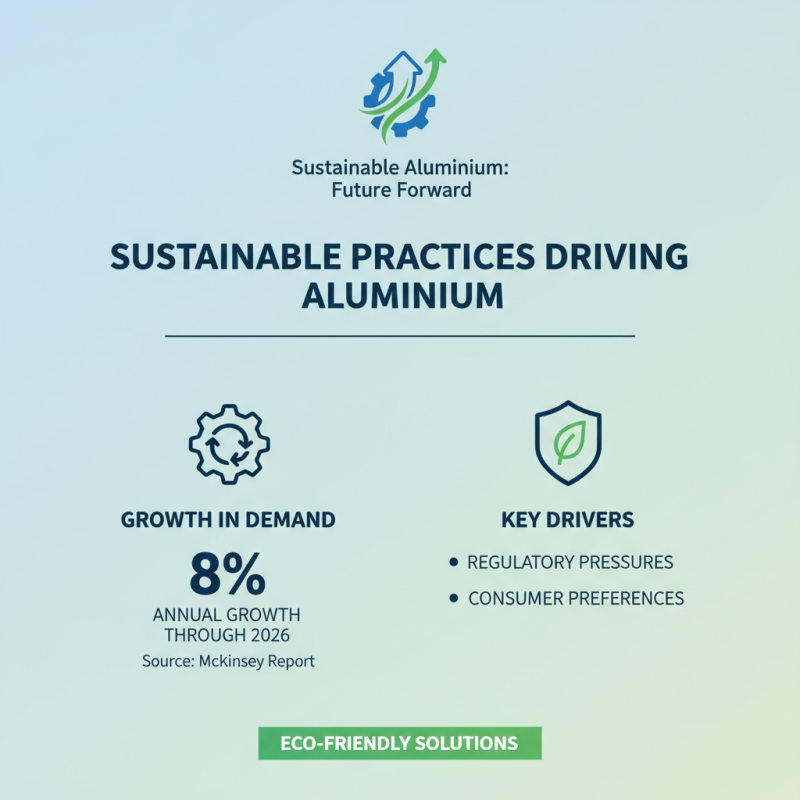
The aluminium industry is increasingly shifting towards sustainable practices. According to a report by McKinsey, the demand for sustainable aluminium solutions is expected to grow by 8% annually through 2026. This trend is largely driven by regulatory pressures and consumer preferences for eco-friendly products.

One significant factor is the reduction of greenhouse gas emissions. Aluminium production is energy-intensive. Manufacturers are exploring renewable energy sources to power their operations. Reports indicate that using renewable energy can cut emissions by up to 50%. However, transitioning is not without challenges. Many facilities struggle with the upfront costs of sustainable technology.

Tips: Consider supporting companies that prioritize sustainability. Verify their commitment through third-party certifications.

Additionally, aluminium recycling is gaining momentum. The recycling rate of aluminium is well over 75% in many countries. This practice saves energy and reduces raw material extraction. Despite advancements, some still view recycling as an afterthought rather than a priority. Greater awareness and education are needed.

Tips: Educate yourself on recycling benefits. Engage in community recycling programs to contribute positively.

Sustainable practices not only help the environment but also advantage companies financially. As sustainability becomes the industry standard, buyers must adapt. The pathway to a greener aluminium sector is fraught with obstacles, necessitating continuous innovation and investment.

Market Forecast: Aluminium Demand Trends in Global Markets

As we look ahead to 2026, aluminium demand is poised to evolve significantly. Global markets are recognizing aluminium's versatility. From automotive to aerospace, manufacturers seek lightweight materials. Sustainability is now a key consideration. More industries are focusing on eco-friendly production methods.

The shift towards electric vehicles is driving increased aluminium use. Lightweight components lead to better energy efficiency. Companies must adapt to these changes swiftly. Staying informed on alloy innovations can provide a competitive edge.

Tips: Engage with industry reports and forums to track trends. Collaborate with suppliers to optimize material use. Being proactive can mitigate risks in this dynamic market. The challenge lies in balancing demand with sustainable practices. In the quest for innovation, companies may face unexpected roadblocks. Reflecting on past strategies can guide future decisions.

Innovations in Aluminium Alloys and Their Applications

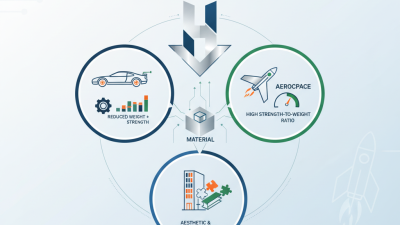
The aluminium industry is witnessing significant innovations in alloys, which are essential for various applications. Advanced aluminium alloys can now offer improved strength-to-weight ratios, critical for sectors such as aerospace and automotive, where reducing weight can lead to enhanced fuel efficiency. For instance, researchers have developed high-performance alloys that exhibit greater resistance to corrosion and fatigue, with some new alloys showing a weight reduction of up to 15% compared to traditional materials.

Tips: When selecting aluminium alloys, consider the specific requirements of your project. Strength, durability, and weight are key factors to assess. Understanding these properties ensures optimal performance in your designs.

Another exciting development is the use of aluminium in sustainable applications. Downgrading traditional manufacturing processes can reduce carbon footprints significantly. The Global Aluminium Framework reports that more than 50% of aluminium produced is made from recycled material. This shift not only addresses environmental concerns but also highlights the trend toward circular economies.

The challenge remains in balancing performance and sustainability. Some newer alloys may not meet all performance requirements. Companies should refine their processes while investing in research to enhance these properties.

Tips: Always stay informed about the latest research. Collaborating with material scientists can help bridge gaps in alloy performance. Embracing innovations leads to better products and sustainable practices.

Top Aluminium Industries Trends for Global Buyers in 2026

This chart illustrates the projected market interest in various aluminium alloy innovations by global buyers in 2026. Industries are increasingly focusing on lightweight and recyclable aluminium as demand for sustainable materials grows.

Impact of Recycling on the Future of Aluminium Industries

Recycling is reshaping the aluminium industry significantly. This process not only saves energy but also reduces greenhouse gas emissions. Recycled aluminium uses 95% less energy than primary production. As environmental concerns rise, recycling becomes more crucial for sustainability.

Tips: Consider investing in products made from recycled aluminium. This practice supports eco-friendly initiatives.

The industry's focus on circular economy principles is growing. Aluminium can be recycled repeatedly without losing quality. This characteristic makes it a valuable material for various applications. However, challenges remain in collection and sorting processes. Ensuring high-quality recycled inputs is vital.

Tips: Advocate for better recycling programs in your community. When recycling systems improve, the entire industry benefits.

Recycling impacts economic aspects too. It can lower production costs and stabilize prices. However, reliance on recycled materials may pose risks if collections fail. Keeping a balance between recycled and mined aluminium remains essential for industry stability.

Enquire Now

We’re here to help and answer your questions.