Air Muffler Silencer Benefits and Why You Need One?

In various industries, noise pollution poses significant challenges. The Air Muffler Silencer plays a vital role in mitigating these issues. According to a report from the Environmental Protection Agency, exposure to excessive noise is linked to health problems such as stress and sleep disturbances. Installing an Air Muffler Silencer can drastically reduce noise levels, creating a safer work environment.

Many businesses underestimate the importance of noise control. Noise not only disrupts productivity but also impacts employee satisfaction. A study indicated that employees in quieter workplaces report 25% higher job satisfaction. The Air Muffler Silencer is an effective solution. By absorbing sound from machinery, it ensures smoother operations without sacrificing efficiency.

It’s essential to consider maintenance and replacement of these devices. Many users neglect this, leading to a decline in performance. A well-maintained Air Muffler Silencer can last for years, providing continuous benefits. Ignoring this aspect can lead to increased noise levels and potential regulatory issues. Investing in quality silencers is not just a choice; it’s a necessity for modern industries.
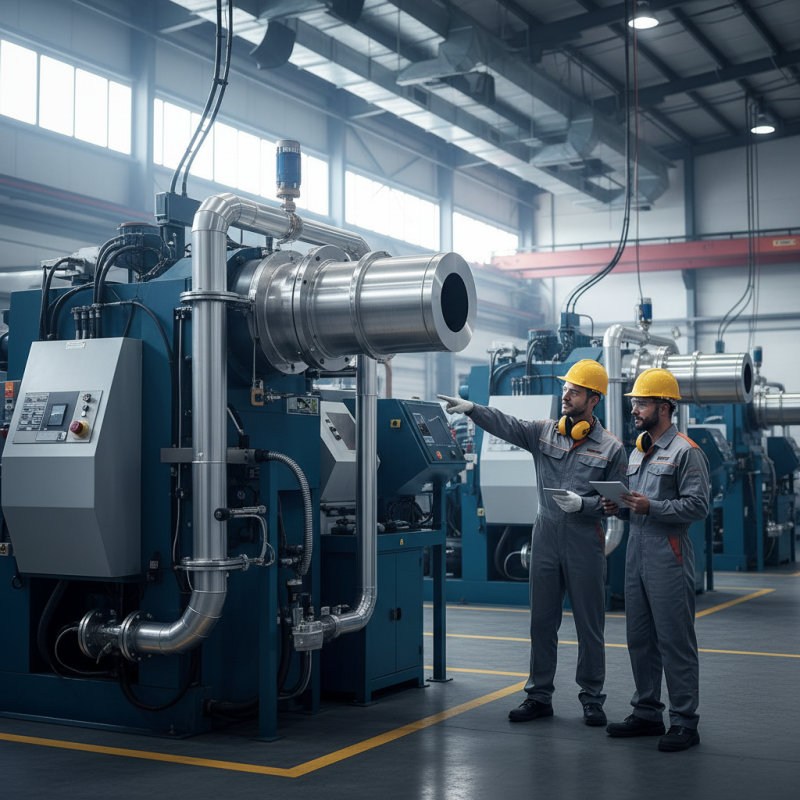
Air Muffler Silencer Benefits and Why You Need One?

Understanding Air Muffler Silencers: An Overview of Their Functionality

Air muffler silencers play a crucial role in managing noise produced by air systems. They are designed to reduce sound levels while maintaining airflow efficiency. By controlling air pressure and velocity, these devices minimize disturbances and create a more comfortable environment.


The functionality of air muffler silencers hinges on acoustic principles. Inside the silencer, sound waves encounter various materials that absorb and dissipate noise. Larger openings can lead to more airflow, but they might compromise noise reduction. Each design must balance sound control and performance.


When choosing a silencer, consider your specific needs. Not all silencers are created equal. Some might not fit your application well. This can lead to unexpected noise levels. It's essential to evaluate both design and efficiency. Sometimes, the cheapest option may not deliver the desired results. Adapting to changing requirements can lead to better decisions in the long run.

Key Benefits of Using Air Muffler Silencers in Various Applications

Air muffler silencers serve a crucial role across diverse applications. In industrial settings, they minimize noise pollution, promoting a more comfortable work environment. According to a recent report from the Occupational Safety and Health Administration (OSHA), prolonged exposure to noise levels above 85 dB can lead to permanent hearing loss. Air mufflers can reduce noise levels by up to 30 dB, significantly mitigating these risks.


In automotive applications, air mufflers improve the efficiency of exhaust systems. A study by the Society of Automotive Engineers noted that well-designed mufflers can enhance engine performance by optimizing back pressure. This not only boosts power output but also reduces emissions, aligning with environmental regulations. Many enthusiasts appreciate the refined sound, which enhances their driving experience. However, not all air mufflers offer equal performance, and improper installation can lead to inefficiencies.


In construction, air mufflers are vital in heavy machinery. High noise levels from equipment can distract workers and hinder communication. A report from the National Institute for Occupational Safety and Health (NIOSH) shows that these distractions can increase the likelihood of accidents. While mufflers offer significant benefits, choosing the right type for specific applications can be challenging. Installation issues can also impede their effectiveness, leading to a need for proper training and awareness.

How Air Muffler Silencers Improve Noise Control and Airflow Efficiency

Air muffler silencers play a crucial role in improving noise control and airflow efficiency. They are designed to reduce the sound produced by air movement in various systems. By installing a silencer, you can minimize disruptive noise. This feature is particularly beneficial in residential or office environments where peace is valued.

Effective silencers also improve airflow. By smoothing the airflow path, they reduce turbulence. This leads to a more efficient system. A well-designed silencer can enhance performance in HVAC systems, compressors, and industrial machinery. However, choosing the right type is essential. Each application may require a specific design to optimize both silence and airflow.

Often, users overlook the importance of maintenance. Regular checks ensure that the silencer functions correctly. Neglecting it can lead to decreased performance and increased noise levels. This sends a message that attention to detail matters. Air muffler silencers are not merely an addition; they are vital for creating better environments.

Factors to Consider When Choosing an Air Muffler Silencer for Your Needs

When choosing an air muffler silencer, various factors are vital. Noise reduction is a key consideration. Industry reports highlight that sound levels can drop by over 30 decibels with a quality silencer. This significant reduction promotes a more pleasant working environment and protects hearing health.


Material durability is crucial. Stainless steel is often preferred for its resistance to rust. But some may opt for lighter aluminum to reduce overall weight. Each material has pros and cons, creating a need for personal evaluation. The decision could impact long-term performance and maintenance costs.


The size and compatibility with existing equipment are practical concerns. A silencer that doesn’t fit can lead to inefficiencies. Moreover, installation complexity varies widely. Misalignment may cause noise leakage, which defeats the purpose. Not all silencers are made equal, and sometimes, less expensive options may require frequent replacements, leading to higher overall costs. User experiences highlight that selecting the right silencer requires thorough research and careful thought.

Installation and Maintenance Tips for Optimal Air Muffler Silencer Performance

Installing an air muffler silencer can greatly improve your vehicle's performance. Proper installation is crucial for achieving optimal results. Make sure to follow the manufacturer's guidelines. Start by lifting the vehicle securely. Then, locate the air intake area and ensure it is clean. Check all connections before proceeding. Sometimes, alignment might be a little off. Take your time to adjust it correctly.

Maintenance is equally important. Regular checks help prolong the silencer's lifespan. Inspect for leaks or blockages at least once a month. A good tip is to use compressed air to clean it. This can help remove accumulated debris. If you notice odd noises, it may indicate an issue. Don’t ignore these signs. Addressing problems early can save you from costly repairs.

Remember, every vehicle is unique. Adjustments might be necessary after installation. It’s okay if everything doesn’t fit perfectly the first time. Learning from these little challenges can improve your skills. The key is to stay proactive. Regular maintenance ensures your air muffler silencer runs smoothly, enhancing performance and comfort on the road.

Benefits of Air Muffler Silencers

This chart illustrates the various benefits of air muffler silencers evaluated on a scale of 1 to 10. The highest value indicates the most significant benefits, helping you understand why investing in an air muffler silencer is essential for optimal performance.

Enquire Now

We’re here to help and answer your questions.