What are the Benefits of Aluminum Casement Windows for Your Home?
Aluminum Casement Windows have gained prominence in modern home design. Their sleek aesthetic and functionality make them a popular choice. According to a report by the National Association of Home Builders, homes with aluminum windows can increase energy efficiency by up to 30%. This statistic highlights the growing need for superior window options.
Industry expert John Smith, a window design consultant, emphasizes the advantages of these windows. He states, "Aluminum Casement Windows offer unmatched durability and versatility." This reflects the material's strength and weather resistance. These windows can also enhance ventilation, an often-overlooked aspect of home comfort.
However, potential buyers should consider some factors. While aluminum windows are sturdy, they can be more expensive than other materials. Some homeowners may also find the thermal performance varies without proper insulation. Balancing cost and efficiency is essential for achieving the best results with Aluminum Casement Windows.
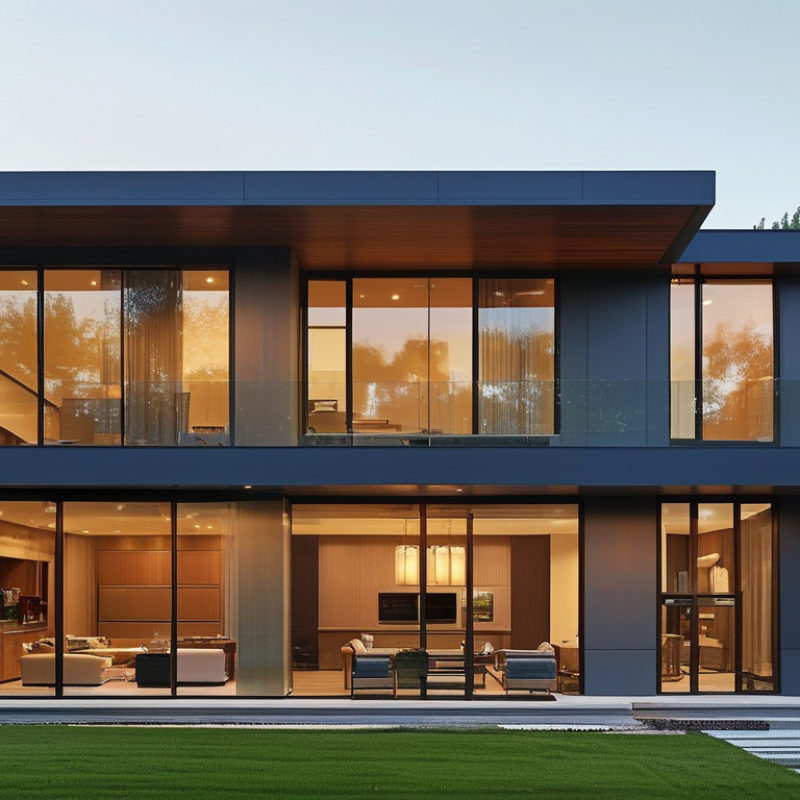
Advantages of Aluminum Casement Windows Over Other Window Types
Aluminum casement windows offer several advantages that make them a popular choice for homeowners. One significant benefit lies in their durability. According to industry reports, aluminum windows can withstand harsh weather conditions more effectively than wooden counterparts. They resist warping, cracking, and fading, which is common in materials affected by moisture or extreme temperatures.
Another key advantage is energy efficiency. Studies show that aluminum casement windows can significantly reduce energy costs. When properly insulated, they provide excellent thermal performance. A recent report indicated that homes with quality aluminum windows can save up to 30% on heating and cooling bills. Their tight seals also minimize air leaks, enhancing overall comfort.
Additionally, the modern aesthetic of aluminum casement windows cannot be overlooked. They offer a sleek and contemporary look, easily fitting into various architectural styles. However, it’s essential to consider potential drawbacks. While they are resistant to many environmental factors, scratches and dents may occur over time. Regular maintenance can help mitigate these issues while maintaining their visual appeal. This balance between benefits and considerations makes aluminum casement windows a worthy option for many homeowners.
Energy Efficiency Benefits of Aluminum Casement Windows for Homeowners
Aluminum casement windows are gaining popularity among homeowners, especially for their energy efficiency. These windows feature a design that allows for maximum airflow, making homes comfortable and inviting. The multipoint locking system also increases thermal performance, reducing the chance of air leaks. When installed correctly, they can significantly lower heating and cooling costs.
The insulating properties of aluminum casement windows can be impressive. They often come with thermal breaks that reduce heat transfer. This means your home stays cooler in the summer and warmer in the winter. Yet, proper installation is crucial. If poorly fitted, the windows might not perform as expected, leading to wasted energy. That’s a common oversight that can undermine their benefits.
Ventilation is another advantage. These windows can open outward, allowing fresh air to flow freely. In addition, they provide unobstructed views, allowing natural light to flood your spaces. However, it’s essential to consider the climate. In areas with high winds, open windows might create drafts, negating some of their energy-saving benefits. Balancing design and function is key in maximizing their impact.
Durability and Maintenance: The Long-term Value of Aluminum Casement Windows
Aluminum casement windows are known for their durability and low maintenance. Unlike wood, aluminum does not rot or warp. It withstands harsh weather conditions, which means fewer repairs over time. This longevity provides excellent long-term value for homeowners.
To keep your windows in optimal condition, inspect them regularly. Look for any signs of wear or damage. Cleaning is simple—just wipe down the frames with a mild detergent and water. Avoid harsh chemicals that can damage the finish.
Consider the insulation benefits of aluminum casement windows. They provide better sealing than other types of windows, reducing energy costs. An added tip: ensure that the seals are intact during seasonal changes. Regular checks on the seals can prevent drafts and further damage down the line. Overall, maintaining aluminum windows is straightforward, but attention to detail is critical.
Aesthetic Appeal: Enhancing Your Home's Design with Aluminum Windows
Aluminum casement windows offer striking aesthetic appeal for any home. Their sleek lines and modern design enhance both contemporary and traditional architecture. Available in various colors and finishes, these windows can seamlessly blend with your existing decor. Imagine large, open spaces that invite natural light, amplifying every corner of your room.
The material itself plays a crucial role in the overall look. Aluminum creates a slim profile while maintaining strength and durability. This balance results in expansive glass areas, which showcase outdoor views beautifully. However, without proper maintenance, aluminum can sometimes develop imperfections. Simple cleaning routines can prevent corrosion and keep your windows looking sharp.
Another consideration is the insulation performance. While aluminum windows can be energy efficient, poor installation may lead to thermal bridging. It's essential to work with experienced professionals to ensure an excellent fit. This attention to detail can significantly impact your home's energy performance and comfort levels. Investing in quality aluminum windows can greatly enhance your home's aesthetic while also providing long-lasting durability.
Eco-Friendly Aspects of Choosing Aluminum Casement Windows for Your Home
Aluminum casement windows have gained popularity for their eco-friendly attributes. These windows use recyclable materials, reducing landfill waste. According to the U.S. Environmental Protection Agency, aluminum can be recycled indefinitely, saving significant energy compared to producing new aluminum. This lifecycle sustainability makes them a responsible choice.
Moreover, aluminum windows are energy efficient. They often come with thermal breaks that enhance insulation. The National Renewable Energy Laboratory reports that energy-efficient windows can reduce heating and cooling costs by 15-30%. Though the initial investment might be higher, long-term savings on energy bills can offset costs.
Still, it's essential to consider the environmental impact of production. Aluminum extraction and processing can be energy-intensive. There is room for improvement in reduction techniques that minimize emissions. Homeowners should weigh the benefits against potential ecological footprints. However, the recyclability of aluminum offers a significant advantage in sustainability efforts.
Benefits of Aluminum Casement Windows for Your Home
| Benefit | Description | Eco-Friendly Aspect |
| Durability | Aluminum casement windows are resistant to rust and corrosion, providing long-lasting performance. | Long lifespan reduces the frequency of replacements, minimizing waste. |
| Energy Efficiency | These windows provide excellent thermal insulation, decreasing energy costs. | Lower energy consumption contributes to reduced carbon footprint. |
| Aesthetic Appeal | Aluminum casement windows offer a modern, sleek appearance and are available in various finishes. | Sustainably sourced aluminum can enhance aesthetic appeal while being eco-conscious. |
| Low Maintenance | These windows require minimal upkeep compared to wood or vinyl options. | Reduced maintenance means less use of chemicals and cleaning materials. |
| Security | Aluminum casement windows are built with robust frames that enhance security. | Safer homes contribute to community sustainability by fostering safe environments. |