2026 Best Carbide Wear Plates for Global Procurement Needs?

In the quest for exceptional durability and performance, carbide wear plates emerge as a vital solution. These plates are engineered to withstand extreme abrasion and impact in various industrial applications. Their unique properties make them essential for companies focused on maximizing equipment longevity and efficiency.

Many industries utilize carbide wear plates, from mining to manufacturing. Understanding their specifications can significantly influence procurement decisions. Often, decision-makers grapple with how to choose the right product among numerous options. Not all carbide wear plates exhibit the same quality or performance levels, and this inconsistency can lead to frustration and costly downtime.

While these wear plates offer remarkable benefits, they are not without challenges. Sourcing reliable suppliers requires diligence. As industries evolve, the demand for high-performance materials will grow. Future procurement needs will likely shift towards innovative solutions, calling for continued research and adaptation. By addressing these aspects, businesses can make informed choices, ensuring they select the best carbide wear plates for their specific requirements.
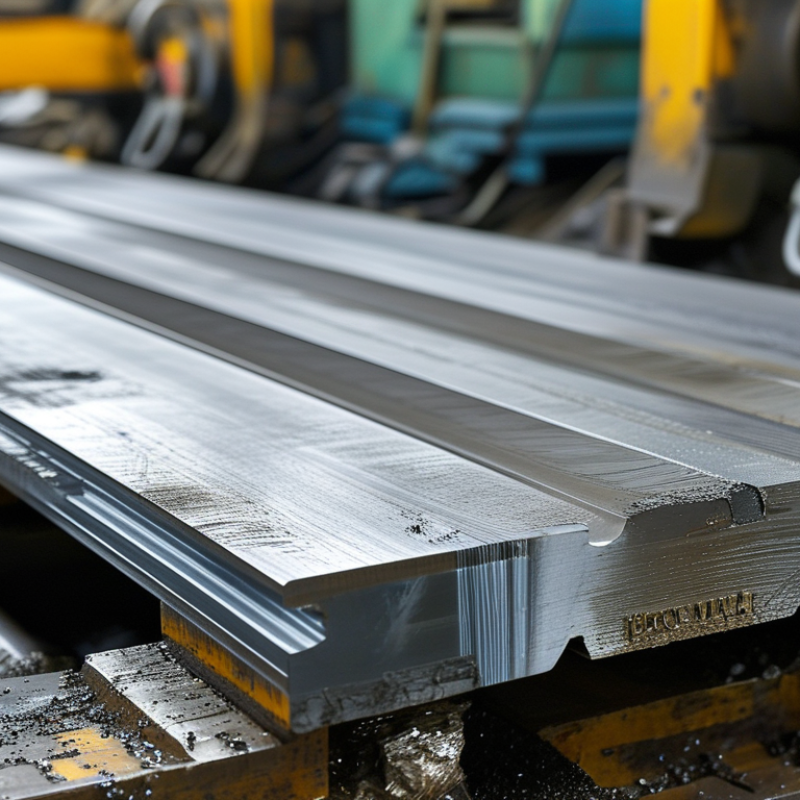
2026 Best Carbide Wear Plates for Global Procurement Needs?

Overview of Carbide Wear Plates and Their Applications

Carbide wear plates are essential components across various industries. They are widely used in mining, construction, and manufacturing. These plates offer superior resistance to wear and abrasion. Made from tungsten carbide, they can withstand extreme conditions. Their durability is a significant advantage in high-impact environments.

In applications like machinery and equipment, carbide wear plates provide vital protection. They help extend the lifespan of expensive components. This results in lower maintenance costs over time. However, understanding the specific needs of your application is crucial. Choosing the right thickness and size can be challenging.

Another consideration is installation. Proper fitting ensures optimal performance. Inexperienced handling can lead to issues like misalignment. It’s important to assess your operational environment carefully. Ignoring these factors may compromise the benefits of using carbide wear plates. Even though they are designed for longevity, continuous evaluation is necessary to reach peak efficiency.

Key Properties of Carbide Materials for Wear Resistance

When considering carbide wear plates, understanding the unique properties of carbide materials is essential. Carbide compounds are known for their exceptional hardness and wear resistance. This quality makes them ideal for applications in harsh environments, such as mining and construction. The toughness of these materials helps them withstand significant impacts and abrasion.


Another critical aspect of carbide wear plates is their thermal stability. These materials perform well under high temperatures, maintaining their integrity in demanding conditions. However, it's worth noting that not all carbide formulations are equal. Some may perform better in specific scenarios while others may not meet expectations. This variation can result in unexpected wear patterns and a need for evaluation in real-world applications.


Understanding these properties allows for informed decisions in material selection. It's crucial to consider not only the *initial cost* but also long-term performance. Each application may require a tailored approach, recognizing that what works in one situation may fail in another. Thus, diligent testing and analysis are vital for optimizing carbide wear plate usage.

Comparison of Leading Carbide Wear Plate Manufacturers in 2026

In 2026, the market for carbide wear plates continues to be competitive. Key manufacturers are pushing the boundaries of wear resistance and durability. Choosing the right supplier involves evaluating several factors, including material composition and production techniques. Today’s industries demand plates that can withstand extreme conditions. This emphasis on performance allows for reduced downtime and lower replacement costs.

Despite advancements, not all carbide wear plates are created equal. Some manufacturers may overstate their capabilities, leading clients to make ill-informed decisions. It is crucial to conduct thorough research and base decisions on verified performance data. Real-world tests and user reviews can provide insight into a product's practical applications.

Another aspect to consider is customer support. Reliable suppliers should offer technical assistance and timely responses to inquiries. A company’s transparency regarding their manufacturing process is equally important. Engaging with industry experts can help identify potential issues. Therefore, fostering a relationship with manufacturers is key to navigating this intricate landscape effectively.

Global Procurement Strategies for Sourcing Carbide Wear Plates

When sourcing carbide wear plates, having a solid procurement strategy is crucial. The global market for carbide wear plates is expected to grow significantly, with demand driven by industries such as mining, construction, and manufacturing. According to a recent market report, the market size was valued at approximately $1.2 billion in 2022 and is projected to reach $1.8 billion by 2026.

Understanding supplier capabilities is essential. Many suppliers offer various grades of carbide plates with different wear resistance and hardness levels. A key to effective procurement is evaluating these specifications against industry needs. When selecting a supplier, consider their production certifications and quality assurance processes. A report from the International Organization for Standardization indicates that certified suppliers often deliver consistent quality, impacting overall operational efficiency.

Tips: Build relationships with multiple suppliers. This ensures flexibility and competitive pricing. Regularly assess market trends and emerging technologies to stay ahead. Always review supplier performance metrics critically. Not all providers maintain the same standards, and relying heavily on one source may lead to vulnerabilities. Reflecting on past procurement decisions can reveal areas for improvement.

2026 Best Carbide Wear Plates for Global Procurement Needs

Future Trends and Innovations in Carbide Wear Plate Technology

The carbide wear plate industry is evolving rapidly as manufacturers seek improved durability and efficiency. Emerging technologies like advanced coating processes are enhancing wear resistance. Reports indicate that coatings can increase service life by up to 30%. This offers substantial cost savings for industries relying on high wear resistance.

Another trend is in the customization of wear plates. Innovations allow for specific configurations tailored to unique operational needs. For instance, plates can now be designed with varying thicknesses or shapes for different applications. This customization addresses challenges like unpredictable wear patterns and provides solutions that extend equipment lifespan.

Additionally, the use of artificial intelligence in design processes is gaining traction. AI can assess performance data and predict wear behaviors. The insights lead to smarter material choices and optimal designs. However, companies must be cautious, as over-reliance on technology can overlook important hands-on expertise required in wear plate applications. Balancing innovation with practical knowledge remains essential for long-term success.

2026 Best Carbide Wear Plates for Global Procurement Needs

Plate Type Thickness (mm) Hardness (HRC) Length (mm) Width (mm) Application Areas
Standard Carbide Plate 10 60 1000 500 Mining, Construction
Double Layer Carbide Plate 15 65 1200 600 Agriculture, Heavy Machinery
Wear Resistant Plate 12 70 900 400 Pulp and Paper, Recycling
Specialized Application Plate 20 72 1000 500 Steel Production, Abrasive Industry

Enquire Now

We’re here to help and answer your questions.