Best Gate Valve Types for Your Industrial Needs?

Gate Valves are essential components in various industrial applications. They are designed to control the flow of liquids and gases effectively. According to the 2022 Report by MarketsandMarkets, the global valve market is estimated to reach over $100 billion by 2025. Gate valves account for a significant portion of this market due to their efficiency and reliability.

In recent years, there has been a shift towards more advanced gate valve technologies. Industries such as oil and gas, water treatment, and power generation heavily rely on them. The right choice of gate valve can directly affect operational efficiency and safety compliance. However, selecting the best type isn't straightforward. Factors like material compatibility, pressure ratings, and installation conditions must be considered.

Field data suggests that improper valve selection often leads to costly downtime. In some cases, maintenance issues arise from using the wrong materials. A deeper understanding of gate valve types is crucial for optimizing performance. By focusing on these aspects, industries can make informed decisions that enhance overall productivity.
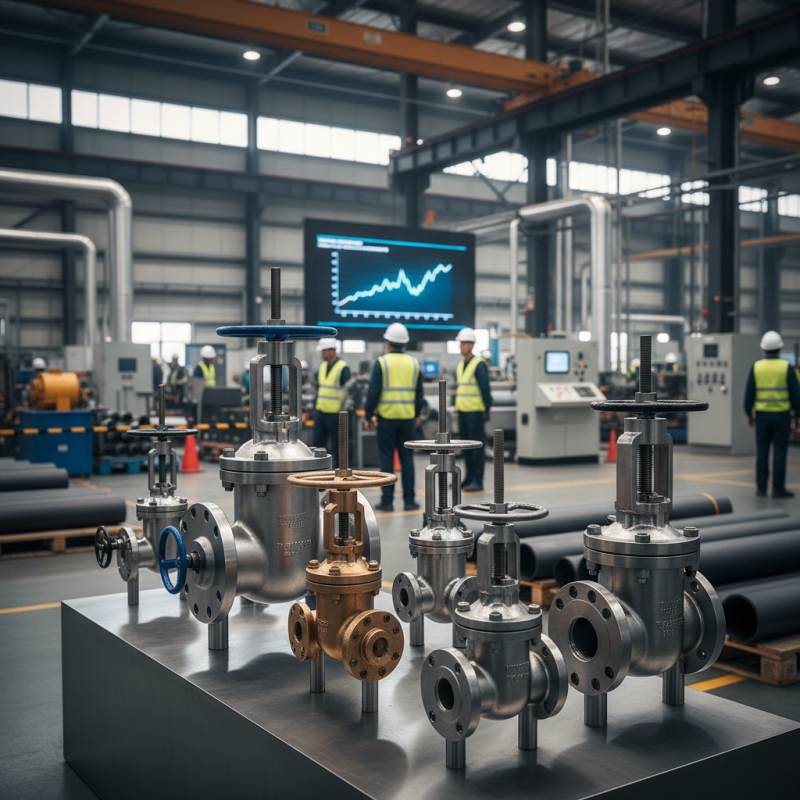
Best Gate Valve Types for Your Industrial Needs?

Overview of Gate Valves in Industrial Applications

Gate valves play a crucial role in industrial applications. They are widely used for on/off control in various systems. These valves offer low resistance to flow. However, proper selection is key to ensuring efficiency and safety.

In a report by the Flow Control Association, about 70% of industrial facilities utilize gate valves. This indicates their importance in managing liquids and gases. Key factors influencing valve choice include pressure ratings, size, and material compatibility. Common materials include cast iron and stainless steel. Each has different advantages, depending on the application.

Despite their popularity, gate valves have limitations. They can be prone to wear and tear over time. This can lead to leaks, impacting operational efficiency. Regular maintenance is essential to ensure their reliability. Innovating materials and designs could enhance their lifespan. Understanding these nuances is vital for making informed decisions in industrial settings.

Best Gate Valve Types for Your Industrial Needs

This chart illustrates the distribution of various gate valve types commonly used in industrial applications based on their functionality and industry preference.

Key Types of Gate Valves and Their Unique Features

Gate valves are crucial in industrial applications. They control flow effectively in pipelines. Understanding the key types helps in choosing the right one for specific needs.

There are several gate valve types. Wedge gate valves are common. They provide a tight seal and are durable. They perform well under high pressure. However, they're not ideal for throttling. Rise-stem gate valves allow for visible stem movement, indicating valve position. They are easy to maintain but require more space. On the other hand, non-rising stem valves save space but may be harder to see in operation.

Each valve type has unique features. Consider the specific requirements of your application. Not all valves are suited for every situation. Evaluating the environmental factors and flow characteristics can minimize issues. Choosing the wrong type can lead to leaking or reduced efficiency. Careful thought and planning are essential in making the right choice.

Best Gate Valve Types for Your Industrial Needs

Gate Valve Type Material Pressure Rating Applications Unique Features
Wedge Gate Valve Cast Iron 150 psi Water and Sewage Simple design, low pressure drop
Parallel Gate Valve Stainless Steel 300 psi Oil and Gas Good sealing capability
Split Wedge Gate Valve Carbon Steel 600 psi Power Generation Versatile performance, high-temperature resistance
Rising Stem Gate Valve Bronze 150 psi Water Treatment Visible open/close position
Non-Rising Stem Gate Valve PVC 100 psi Chemical Processing Space-saving design

Material Selection for Gate Valves: Impact on Durability and Performance

Choosing the right material for gate valves is crucial. It directly affects valve durability and performance. For instance, research shows that stainless steel gate valves exhibit superior resistance to corrosion compared to carbon steel alternatives. Data suggests that stainless steel can enhance the life expectancy of a valve by approximately 50% in corrosive environments. This is a critical factor for industries handling chemicals or seawater.

Moreover, the operating temperature plays a significant role in material selection. According to industry reports, gate valves made from high-performance alloys can withstand extreme temperatures. This improves operational reliability. In high-pressure situations, the right material helps prevent failures that could lead to costly downtime. However, not all materials perform equally well. It’s important to evaluate specific requirements before making a choice.

While metal materials dominate, non-metallic options like thermoplastics also offer unique properties. They are often lighter and resist chemicals effectively. Yet, they may lack durability under high temperatures. This creates a dilemma for engineers. Selecting the optimal material requires careful consideration of operational conditions and potential trade-offs. Balancing these factors is key to ensuring efficient valve performance in industrial applications.

Industry Standards and Compliance for Gate Valve Selection

When selecting gate valves for industrial applications, compliance with industry standards is crucial. Gate valves often meet standards set by organizations like the American Society of Mechanical Engineers (ASME) and the American National Standards Institute (ANSI). A report from the International Organization for Standardization (ISO) highlights that adherence to these standards can enhance safety and reliability. For instance, using valves that comply with ANSI/AWWA C509 guarantees better performance in waterworks applications.

Choosing the right material is also important. Different environments demand different materials. For example, carbon steel is suitable for general purposes, but stainless steel is better for corrosive environments. According to a 2022 market study, about 40% of operational failures in industrial systems stem from incorrect valve materials or specifications. Regular audits and assessments can help identify these issues early.

Tips: Always check that gate valves meet relevant industry specifications. Keep updated on the latest standards to ensure compliance. Regular training of maintenance personnel on valve operation is essential. Taking these steps can enhance your operational efficiency.

Recent Innovations in Gate Valve Technology and Design

Recent innovations in gate valve technology focus on enhancing efficiency and reliability in industrial applications. New materials, such as advanced polymers and composites, are being utilized to improve durability and resistance to corrosion. This shift allows for lighter designs without compromising strength. Additionally, integration of smart technology enables real-time monitoring of valve performance and conditions, helping prevent failures.

Modern gate valves also feature improved sealing mechanisms, which minimize leakage risks. Enhanced designs allow for easier maintenance and reduced downtime. These innovations reflect a growing awareness that minor leaks can lead to significant operational costs. While these advancements promise increased effectiveness, challenges remain in standardization and compatibility across different systems. Adopting new technologies requires careful consideration of existing infrastructure and potential training for staff.

The ongoing evolution in gate valve design highlights the balance between innovation and practicality. While many improvements exist, industries must remain vigilant about implementation challenges. These factors contribute to the overall discussion about the best gate valve types for specific applications, further emphasizing the need for informed decision-making. Effective solutions require continuous evaluation of both emerging technologies and their limitations.

Article Source:

Enquire Now

We’re here to help and answer your questions.