Best Wheel Loader Models for Efficient Operations Today?

In today's construction landscape, efficiency is paramount. The right equipment can significantly impact productivity. Among heavy machinery, the Wheel Loader stands out as a versatile tool. It can handle various tasks, from moving materials to loading trucks.

Several wheel loader models excel in performance, strength, and adaptability. However, not all loaders are created equal. Each model comes with unique features and capabilities. Operators need to select based on their specific needs. Factors like lifting capacity, engine power, and operator comfort play a crucial role.

Understanding current trends is vital for making informed decisions. Equipment that was industry standard a few years ago may no longer suffice. Therefore, regular reassessment is necessary. This insight will help in choosing the best wheel loader models available today.
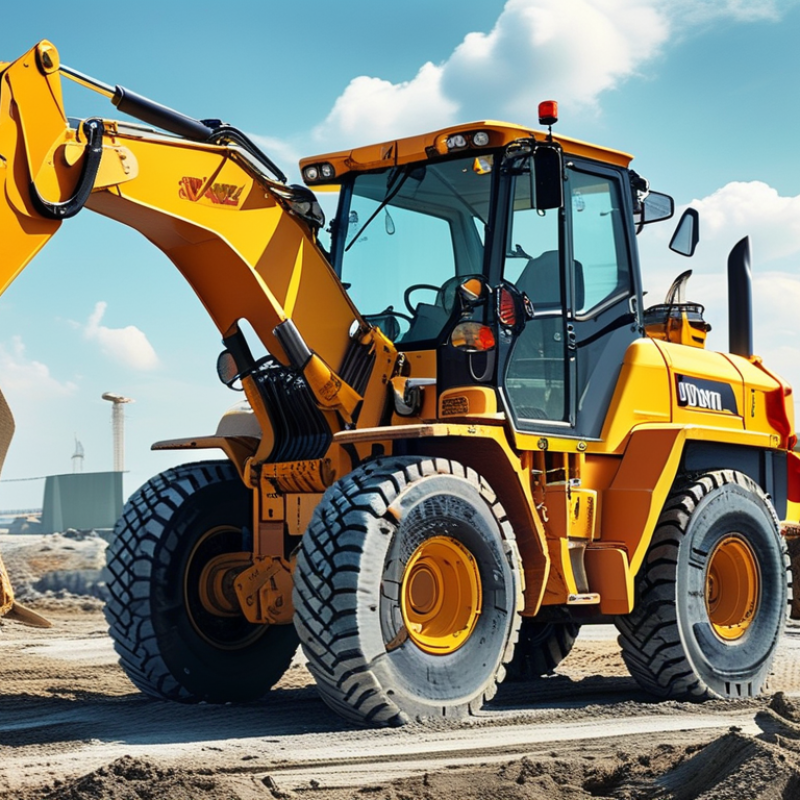
Best Wheel Loader Models for Efficient Operations Today?

Overview of Wheel Loaders in Modern Construction

In modern construction, wheel loaders play a pivotal role in enhancing operational efficiency. Their versatility allows them to perform various tasks, from loading and transporting materials to facilitating site preparation. With robust engines and advanced hydraulic systems, these machines demonstrate impressive strength and speed. Operators often appreciate their ability to navigate tight spaces effectively. Designing and selecting the right model is crucial for ensuring productivity on site.

Today’s wheel loaders come equipped with advanced technology. Features like telematics, smart controls, and ergonomic operator cabins improve user experience and safety. The challenge, however, is keeping pace with rapid technological advancements. Many operators find it difficult to adapt quickly. There’s a distinct learning curve associated with using modern features. Ensuring that operators receive adequate training can alleviate some of these issues, but the industry must continually evolve.

Moreover, maintenance remains a constant concern. Regular check-ups are vital to keep these machines running smoothly. Neglecting maintenance can lead to unexpected downtimes and increased costs. Striking a balance between utilizing new technologies and maintaining traditional practices is essential. As wheel loader models continue to improve, staying informed and prepared is critical for success in construction operations.

Key Features to Consider When Choosing a Wheel Loader

When selecting a wheel loader, certain key features can significantly enhance operational efficiency. One vital consideration is the engine power. According to data from the Construction Equipment Institute, loaders with engines over 150 horsepower tend to perform better in heavy-duty tasks. This additional power allows for faster cycle times, increasing productivity on job sites.

Another crucial feature is the lift capacity. Models capable of lifting more than 3 tons can handle larger loads effectively. However, higher capacity can sometimes lead to instability if not matched with the right features. Operators need to ensure a balance between capacity and machine weight for safety reasons. A study from Heavy Equipment Insights indicates that approximately 30% of accidents are linked to improper load management.

Lastly, the visibility from the operator's seat cannot be overlooked. Good visibility reduces blind spots and enhances safety. Operators have reported a 20% decrease in incidents when using models with improved sightlines. Investing in technology, such as cameras or sensors, can also provide additional layers of safety. Many users find it challenging to adapt to changes, highlighting a gap between equipment capabilities and operator training. Addressing this gap is essential for maximizing the benefits of modern wheel loaders.

Best Wheel Loader Models for Efficient Operations Today

This bar chart showcases various wheel loader models based on key features such as Maximum Load Capacity, Operating Weight, and Engine Power. Selecting the right wheel loader can significantly enhance operational efficiency.

Top Wheel Loader Models for Performance and Efficiency

Wheel loaders are vital in various industries, enhancing productivity and efficiency. According to a recent report by the Association of Equipment Manufacturers, the global wheel loader market is projected to grow at a CAGR of 5% by 2027. This demand highlights the importance of selecting efficient models that can handle diverse tasks effectively.

When considering performance and efficiency, key features like engine power, hydraulic capability, and bucket design matter. Premium models often have advanced hydraulic systems that provide better lifting capacity and speed. A well-designed bucket increases material handling capabilities, and models with a quick coupler feature enhance versatility, allowing attachments to switch seamlessly.

Tips: Regular maintenance is crucial. Ensure the hydraulic system is checked frequently to avoid performance loss. Another suggestion is to assess your operational needs regularly. Adapting to changing job requirements can lead to greater efficiency. Analyze your work environment; terrain and material type significantly impact loader selection. Investing wisely can yield benefits, but always weigh the options thoughtfully.

Comparative Analysis of Leading Wheel Loader Brands

When selecting wheel loaders, it is crucial to consider efficiency and performance benchmarks among leading brands. Recent industry reports indicate that machine uptime is a significant factor in operational productivity, with some models achieving an impressive 95% availability rate. This means that a well-chosen loader can spend most of its time working rather than waiting for repairs or maintenance.

Additionally, fuel efficiency plays a vital role in overall operational costs. Data from equipment analysis reveals that modern wheel loaders can reduce fuel consumption by up to 25% compared to older models. This reduction not only lowers expenses but also lessens the environmental impact. Features such as advanced hydraulic systems and electronically controlled engines contribute to these efficiency improvements.

However, it’s vital to remember that not all brands excel in every category. Some models may offer superior lifting capacities but lack in fuel efficiency. Conversely, others might promote exceptional fuel savings while compromising on payload capabilities. Analyzing these trade-offs based on real-world usage patterns is essential for making informed decisions. Investing in wheel loaders requires a careful evaluation of both short-term performance and long-term operational costs.

Maintenance Tips for Optimal Wheel Loader Operations

Regular maintenance is crucial for efficient wheel loader operations. Data from the U.S. Bureau of Labor Statistics shows that machinery downtime can cost companies thousands of dollars per day. Regularly checking the engine oil and hydraulic fluid can prevent breakdowns. A simple oil change can extend the machine's lifecycle by up to 15%.

Inspecting tire pressure is another key maintenance tip. Properly inflated tires lead to better fuel efficiency and improved handling. The manufacturers suggest checking tire pressure weekly. Neglecting this can lead to uneven wear and costly replacements.

Additionally, operators should not ignore the importance of daily inspections. A pre-operation check can identify small issues before they escalate. About 30% of maintenance-related downtime could be avoided with routine inspections. Ensuring the loader is clean and free of debris will also help maintain efficiency and reduce repair costs. These practices can save operators from significant operational disruptions and enhance productivity.

Best Wheel Loader Models for Efficient Operations Today

Model Operating Weight (lbs) Horsepower Bucket Capacity (cubic yards) Fuel Efficiency (MPG)
Model A 20,000 150 2.5 6.0
Model B 22,000 175 3.0 5.5
Model C 25,000 200 3.5 5.0
Model D 27,000 220 4.0 4.8
Model E 30,000 250 5.0 4.5

Maintenance Tips for Optimal Wheel Loader Operations

Tip Frequency Details
Check Fluid Levels Daily Inspect engine oil, hydraulic fluid, and coolant.
Inspect Tires Weekly Check for proper inflation and wear.
Clean Air Filters Monthly Ensure optimal airflow to the engine.
Inspect Hydraulic System Monthly Look for leaks and fluid condition.
Service Regularly Every 250 hours Perform comprehensive service as per manufacturer guidelines.

Enquire Now

We’re here to help and answer your questions.