What Are the China Top 10 HVAC Oil Pump Suppliers?

China’s HVAC supply chain is becoming more important as cooling demand rises worldwide. The International Energy Agency reported in The Future of Cooling that global space-cooling demand could triple by 2050. China remains a major manufacturing base for compressors, air conditioners, refrigeration systems, and related components. Within these systems, the Hvac Oil Pump supports lubrication, oil circulation, heat management, and compressor reliability. Its performance can affect noise, energy use, maintenance intervals, and service life.

This guide examines China’s top 10 HVAC oil pump suppliers through practical and measurable criteria. These include manufacturing experience, product consistency, pressure and flow performance, material selection, testing capability, certifications, export history, and after-sales support. Market information is referenced against reports from the IEA, ChinaIOL, and Research and Markets, while supplier claims should be checked through technical documents and factory audits. Product catalogs alone are not enough.

Real details matter.

A dependable supplier should explain pump displacement, operating temperature, sealing design, motor compatibility, and lubricant requirements. Buyers should also request test curves, batch records, sample results, and application references. Some companies disclose limited information, which makes direct comparison difficult. That is an important weakness in any “top 10” list. Rankings may change when verified export data, field failure rates, or independent laboratory results become available. This article therefore offers a structured starting point, not an absolute verdict. It aims to help OEMs, distributors, and maintenance teams identify capable Chinese partners with clearer evidence and fewer assumptions.
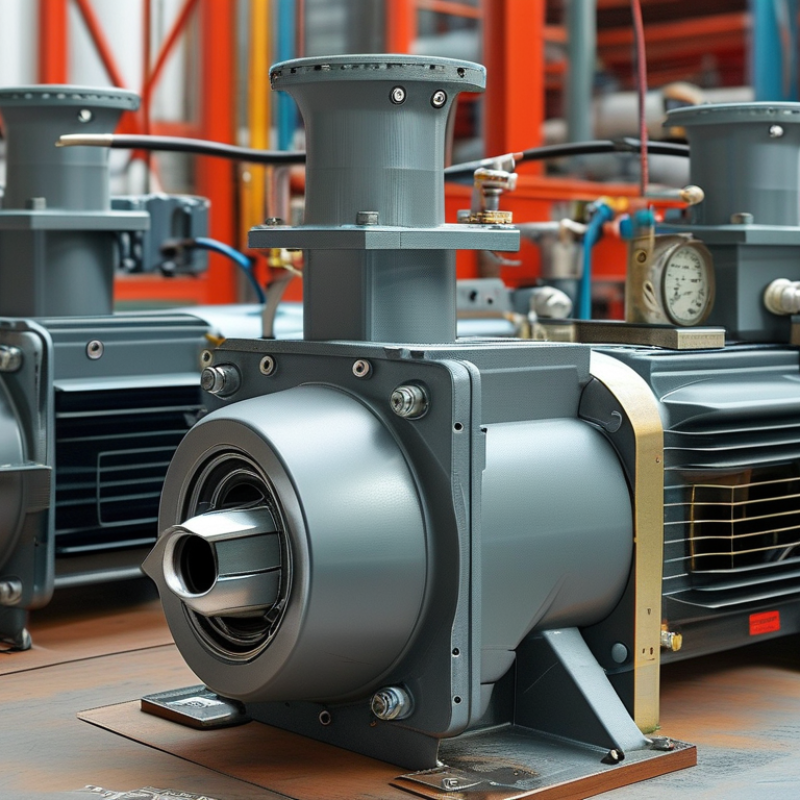
What Are the China Top 10 HVAC Oil Pump Suppliers?

What Is an HVAC Oil Pump and Why Does It Matter in China?

What Is an HVAC Oil Pump and Why Does It Matter in China?

An HVAC oil pump circulates lubricant through a compressor’s bearings, gears, seals, and moving shafts. It protects metal surfaces when pressure, temperature, and vibration change quickly.

In practical testing, a weak pump may produce noisy bearings, unstable discharge temperatures, or repeated compressor trips.

Small component. Large consequence.

The International Energy Agency reported in The Future of Cooling that space cooling could consume more than three times today’s electricity by 2050 without stronger efficiency measures.

China matters greatly in this trend because its expanding commercial buildings, data centers, and cold-chain facilities require dependable cooling.

An oil pump supports efficiency by reducing friction and helping the compressor maintain designed performance. It also assists oil return, which becomes difficult in long piping systems and variable-speed applications.

Selecting suppliers requires more than comparing flow rates.

Engineers should check viscosity compatibility, starting torque, filtration tolerance, noise levels, and performance across low ambient temperatures.

ISO 13349 and ISO 8573 testing principles can support cleaner, more consistent evaluation, although they do not replace application-specific trials.

The China HVAC Association has repeatedly emphasized energy efficiency and equipment reliability in industry development reports.

Still, laboratory data can look better than field results. That gap deserves attention.

A pump that survives a short test may struggle with dust, voltage fluctuation, or frequent starts.

Suppliers should provide traceable test records, material details, and failure feedback, not only attractive catalogue figures.

How to Evaluate China’s HVAC Oil Pump Suppliers

Choosing among China’s top ten HVAC oil pump suppliers requires more than a ranking. A supplier can look impressive online and still miss your operating conditions.

Start with the pump’s flow range, pressure stability, oil viscosity, temperature, and motor compatibility. Ask for measured curves, not copied specifications. Request drawings with tolerances, seal materials, inlet dimensions, and noise data. Small details matter. In field service, a pump that fits poorly can create vibration, leakage, and repeated shutdowns.

Evaluate manufacturing evidence before discussing price. Ask how incoming materials are inspected and how each pump is tested before shipment. Reliable suppliers should provide batch records, serial tracking, calibration dates, and clear corrective-action reports.

An ISO certificate may support credibility, but it does not replace process verification. Review sample units under realistic conditions, including cold starts and long operating cycles. If possible, arrange a factory audit or use an independent inspection company. Photos are useful, but they are not proof.

Commercial terms deserve the same attention as engineering. Compare lead times, minimum order quantities, spare-part access, warranty boundaries, and technical response times. Ask who handles failures after installation and how quickly replacement parts can move.

A low quotation may conceal fragile seals, inconsistent machining, or expensive freight. Look beyond price. I have learned to record every promise in the purchase agreement. No evaluation is perfect. Recheck supplier performance after the first delivery, using defect rates, delivery accuracy, and pump efficiency. That evidence is more valuable than a polished sales presentation.

China’s Top 10 HVAC Oil Pump Suppliers by Key Capabilities

What Are the China Top 10 HVAC Oil Pump Suppliers?

China’s top 10 HVAC oil pump suppliers are best judged by key capabilities, not advertising volume. The strongest manufacturers usually show stable oil return performance across changing temperatures. They also provide clear flow-rate, pressure, noise, and power-consumption data. These details matter inside compressors, especially during long operating cycles.

Leading suppliers often support custom pump dimensions, mounting patterns, and electrical specifications. Their engineering teams should understand refrigerant oil viscosity, start-up loads, and heat exposure. Practical testing may include endurance runs, leak checks, vibration measurements, and low-temperature starts. Good factories can trace materials, inspect critical parts, and repeat test results consistently. Ask for sample records.

Capability differences remain important. One supplier may excel at compact rotary pumps, while another handles higher-pressure systems better. Some offer faster prototypes, but their production consistency may need closer review. Others provide strong documentation but limited customization. No supplier is perfect. A ranking can mislead if it ignores application conditions, service support, and delivery stability. Buyers should compare ten suppliers using the same technical checklist, including warranty terms and replacement-part access. Site audits or witnessed testing can strengthen confidence. My own assessment would still remain provisional without field data from several installations. That uncertainty deserves attention.

What Products and Services Do These Suppliers Offer?

China’s top ten HVAC oil pump suppliers typically offer gear, vane, and rotary pumps for compressors, chillers, and heat pump systems. Their products support lubrication, pressure control, and stable refrigerant circulation. Many suppliers provide OEM and customized solutions. Buyers can request specific flow rates, motor sizes, shaft designs, and sealing materials.

Services often include technical consultation, sample production, dimensional drawings, and pre-shipment testing. Experienced manufacturers may test noise, vibration, pressure stability, leakage, and continuous operation. Some also supply replacement parts, installation guidance, and remote troubleshooting. A reliable supplier should explain material choices clearly and provide traceable inspection records. However, product claims are not always enough. Actual performance can change with oil viscosity, ambient temperature, and compressor design.

Tips: Ask for a complete datasheet and a test report. Confirm inlet and outlet dimensions before ordering. Request a sample for trial installation. Check response time for spare parts and technical support. It is also wise to verify factory capacity through audits or independent inspections. Small details matter, such as connector quality and storage conditions. Sometimes, a lower price hides weaker seals or inconsistent machining. That possibility deserves careful review.

How to Choose the Right Chinese HVAC Oil Pump Supplier

What Are the China Top 10 HVAC Oil Pump Suppliers?

How to Choose the Right Chinese HVAC Oil Pump Supplier

Selecting a Chinese HVAC oil pump supplier requires more than comparing prices. A “top ten” list should reflect verified production capacity, stable quality, and useful technical support. Request factory photos, production records, inspection procedures, and recent test reports. A polished website proves little.

Start with your operating conditions. Share the required flow rate, pressure, oil viscosity, temperature range, motor speed, and installation space. Ask whether the supplier can provide customized shafts, seals, connectors, or mounting dimensions. Check noise levels carefully. A pump that performs well in a test room may sound different inside a commercial unit.

Look for suppliers using traceable materials and documented quality controls. ISO-based systems can help, but certificates need verification. Request samples from the same production line used for regular orders. Test them for leakage, vibration, current draw, and continuous operation. Small failures matter.

Also examine communication and after-sales support. Can engineers answer technical questions clearly? Are drawings and test data delivered on time? Clarify warranty terms, spare parts, packaging, lead times, and export documents before payment. A low quotation may hide weak inspection or costly delays.

No checklist is perfect. I would still begin with a small trial order. Supplier claims sometimes sound stronger than field performance. Compare at least three factories, keep written records, and reassess after real HVAC operation. That evidence is more valuable than a crowded ranking.

Article Source:

Enquire Now

We’re here to help and answer your questions.