How to Choose the Best Extrusion Machine in 2026?

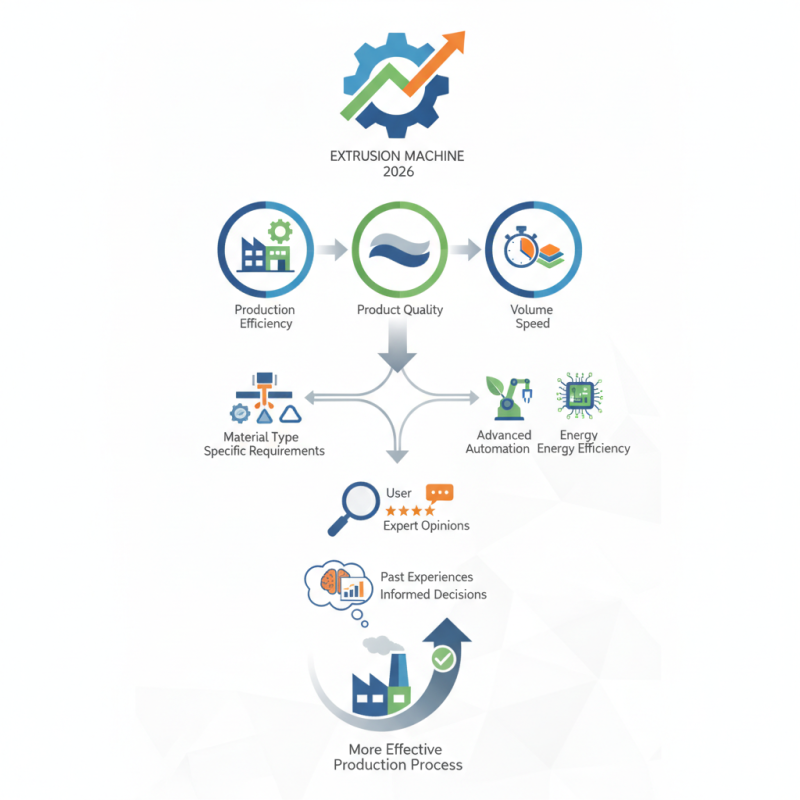
Choosing the right extrusion machine in 2026 is crucial for success in various industries. This decision can impact production efficiency, product quality, and overall profitability. With many options available, it’s essential to approach this task with careful consideration.

The term "extrusion machine" encompasses a variety of technologies and configurations. Each serves different materials and applications. Understanding your specific requirements is vital. Are you focusing on volume, speed, or material type? Answering these questions will guide your choice.

As technology evolves, so do the features of extrusion machines. Some newer models offer advanced automation and energy efficiency. However, not all machines may deliver on these promises. Hence, evaluating user reviews and seeking expert opinions can provide deeper insights. Reflection on past experiences can also shape your future choices. Making informed decisions will ultimately lead to a more effective production process.
How to Choose the Best Extrusion Machine in 2026?

Key Factors to Consider When Selecting an Extrusion Machine

How to Choose the Best Extrusion Machine in 2026?

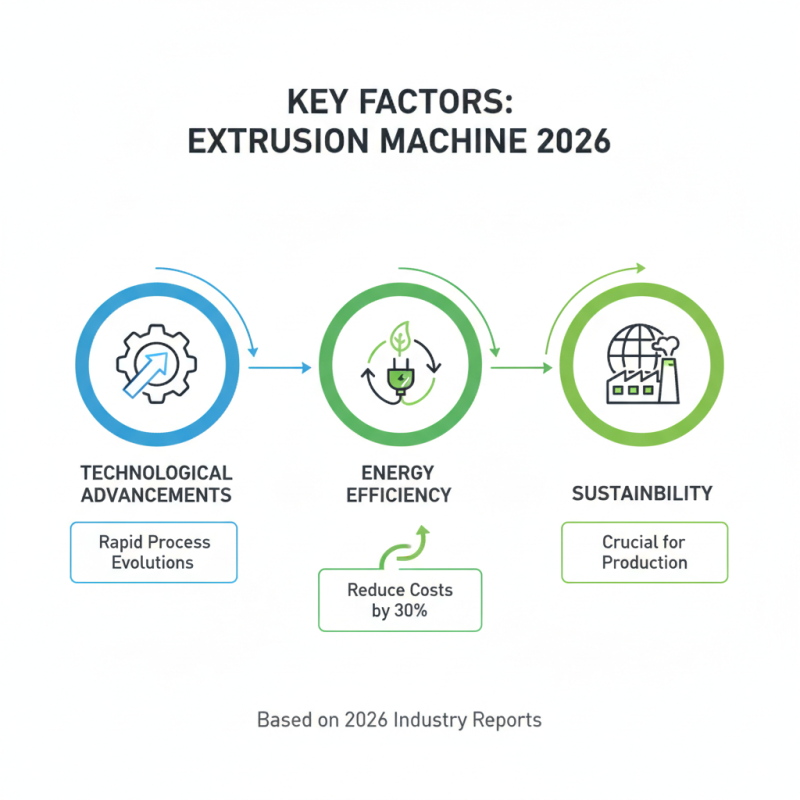
When selecting an extrusion machine in 2026, several key factors must be considered. The technological advancements in extrusion processes are rapid. It's essential to assess the machine's energy efficiency. According to recent industry reports, energy-efficient machines can reduce operational costs by up to 30%. This data highlights the importance of sustainability in production environments.

Material versatility is another vital aspect. The ability to work with various materials allows for increased flexibility in production. For instance, some machines cater to both thermoplastics and thermosetting polymers. This adaptability can significantly impact your production capabilities. However, manufacturers should also consider the machine's compatibility with their specific materials. Inadequate compatibility may lead to inefficient processing and waste.

Maintenance and support services are equally crucial. Many extrusion machines face wear and tear over time. Regular maintenance can prevent long downtimes. Reports indicate that 40% of production losses stem from machine failures. Factor in the availability of spare parts and expert support when making a decision. Overall, understanding these elements will lead to a more informed choice for your extrusion needs.

Understanding Different Types of Extrusion Machines Available in 2026

When selecting an extrusion machine in 2026, understanding the various types available is crucial. There are several categories of extrusion machines. Each serves a different purpose and operation.

The twin-screw extruder is one of the most versatile options. It excels in mixing, compounding, and pelletizing materials. Many industries rely on it for producing high-quality products. However, the complexity of this machine means more maintenance and a steeper learning curve.

Single-screw extruders are simpler in design. They are more affordable and easier to operate. However, they may lack the efficiency and flexibility of twin-screw options. Enhanced customization might be necessary, depending on the material being processed. Additionally, considerations around energy consumption can impact long-term costs. Evaluating the specific needs of your operation is essential to make an informed choice.

Different Types of Extrusion Machines in 2026

This chart displays the estimated market share of various types of extrusion machines in 2026, illustrating their popularity and prevalence in the manufacturing industry.

Evaluating Performance Metrics of Extrusion Machines

When choosing an extrusion machine, evaluating performance metrics is crucial. Start by assessing the throughput rate, which measures how much material the machine can process in a specific time. Higher throughput often means better productivity. However, beware of overestimating needs. Sometimes, machines that promise high outputs may compromise quality.

Another key metric is energy efficiency. Machines consuming less energy can save costs over time. Production may slow down with energy-saving equipment. This trade-off should be considered carefully. Additionally, consider temperature control and uniformity. Inconsistent temperatures can lead to defects in the final product. Do not overlook the importance of these factors.

Keep an eye on maintenance requirements. Some machines need frequent repairs, while others offer more reliability. A machine that requires constant support can disrupt production plans. Finally, look into user reviews and expert assessments. Real-world experiences can provide insights beyond technical specifications. Balancing performance metrics with practical needs is essential when selecting the right machine.

Assessing Budget and Cost-Effectiveness of Extrusion Solutions

Budgeting for an extrusion machine in 2026 is crucial. With multiple options available, understanding cost-effectiveness is key. A balance between initial investment and long-term operational costs influences overall profitability. Assess how much energy the machine consumes. High energy costs can erode savings quickly.

Consider maintenance expenses. Some machines may cost less upfront but require costly repairs over time. Research the average lifespan of different models. Longer-lasting machines may justify higher costs. Also, factor in the volume of production. A machine that can handle greater output may save more in the long run.

Reflect on your specific needs. What materials will you work with? The correct machine for polymer extrusion might differ from that used for food products. Each application has unique requirements that influence budget decisions. Revisiting these priorities can reveal overlooked costs and savings. Always remember, the cheapest option may not be the best choice. Ensure your investment aligns with your production goals.

Identifying Manufacturers with Proven Expertise in Extrusion Technology

Choosing the right extrusion machine begins with identifying manufacturers who have demonstrated expertise in extrusion technology. According to recent industry data, over 60% of manufacturing success is linked to the quality of the equipment used. Reliable manufacturers rely on years of development and innovation, having a track record that reflects their commitment to technology.

When reviewing potential manufacturers, investigate their experience in the industry. Consider their years in operation and the diversity of their machine offerings. Those with a proven background often adapt and innovate their technologies to meet market demands. Check if they can provide case studies or testimonials that highlight past successes. Such evidence showcases their reliability and expertise in extrusion solutions.

Tips: Look for manufacturers who actively participate in industry trade shows. Networking with professionals can provide insights. Regularly review industry reports, such as those from the International Plastics Association. These resources often highlight market trends and leading manufacturers, helping you make an informed decision.

Not all manufacturers offer the same level of service. Some may lack the technical support you require post-purchase. This gap can lead to operational inefficiencies. It’s crucial to assess not only their product quality but also the support and training they provide.

Enquire Now

We’re here to help and answer your questions.