How to Choose the Best Profile Extrusion Solutions in 2026?
In 2026, the landscape of profile extrusion is evolving rapidly. This shift demands a careful evaluation of solutions available in the market. Industries require efficient, reliable, and cost-effective profile extrusion to stay competitive. Selecting the best machinery or services can mean the difference between success and stagnation.
When choosing profile extrusion solutions, several factors come into play. Companies must assess not just the technology, but also the expertise of the providers. Sometimes, even the latest technology may not align with specific needs. Understanding the intricacies of the manufacturing process ensures a better fit for operations.
Furthermore, companies should consider scalability and flexibility in their choices. The demands of the market are shifting, sometimes unpredictably. Prospective buyers must remain adaptable and open to reevaluating their selections. With thoughtful consideration, businesses can navigate the complexities of profile extrusion and position themselves for future growth.
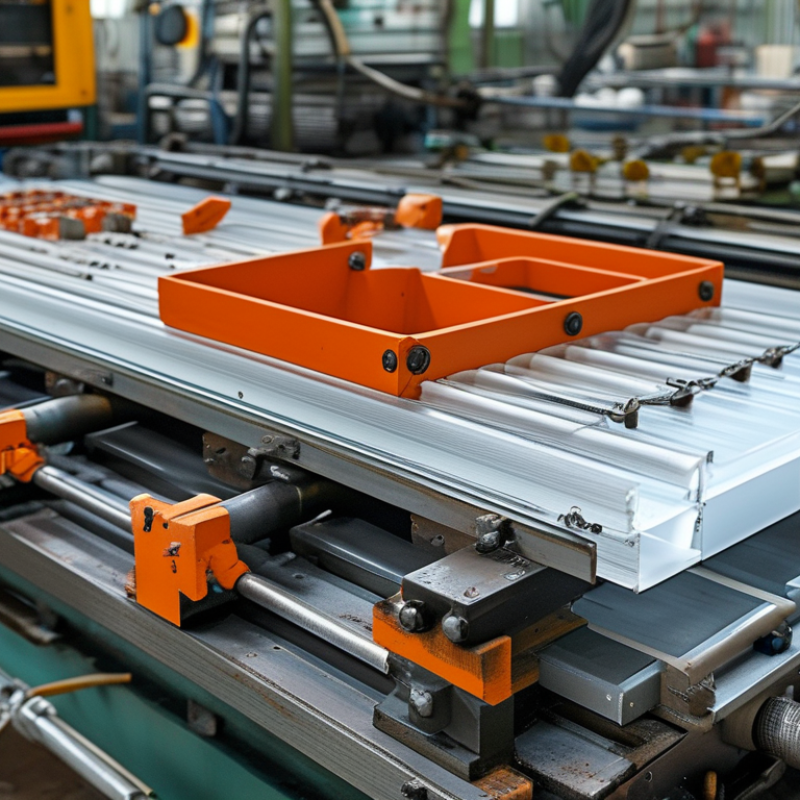
Understanding Profile Extrusion: Key Concepts and Processes
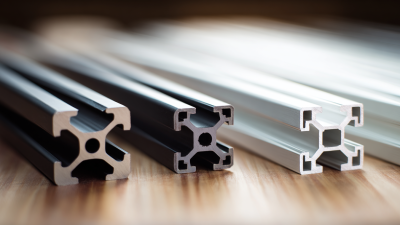
Profile extrusion is a manufacturing process that shapes materials into specific profiles. It begins with heating plastic until it reaches a malleable state. The molten material is then forced through a die to create a continuous length of the desired shape. This method is widely used in industries like construction, automotive, and consumer goods. According to a recent market report by Smithers Pira, the global extrusion market is expected to reach $290 billion by 2026, highlighting its significance in diverse applications.
Key concepts in profile extrusion involve understanding the materials used and the variations in processes. For instance, thermoplastics are the most commonly extruded materials. They offer versatility and resistance to environmental factors. However, the choice between single-screw and twin-screw extruders can greatly impact the final product quality. The performance of an extruder can vary significantly based on the design and configuration. Data shows that approximately 30% of extruded profiles may require modifications, emphasizing the need for precision in the process design.
In addition to material choice, process parameters must be monitored closely. Variables like temperature, pressure, and cooling rates play crucial roles in determining the properties of the final profile. Misalignment in these parameters can lead to defects, affecting structural integrity. A survey by the International Association of Plastics can reveal that nearly 25% of extrusion failures stem from improper thermal control. Continuous improvement and adaptation of the extrusion process are therefore essential for achieving high-quality output in this evolving industry.
Identifying Your Needs: Factors to Consider in Profile Extrusion
Choosing the right profile extrusion solution in 2026 requires careful evaluation of your specific needs. Industry reports suggest that the global extrusion market could reach $45 billion by 2026, driven by demand across various sectors. Focus on key factors like material types, production volume, and design complexity.
Understanding your material requirements is crucial. Different plastics behave uniquely during extrusion. For instance, polymers like PVC or PET are popular for their balance of cost and performance. High-performance materials may increase initial costs but enhance durability and functionality. Ignoring material properties can lead to production failures or product recalls.
Consider your production requirements. If high-volume output is essential, look for extrusion lines with faster throughput rates. These can reduce per-unit costs, according to recent data from market analysts. However, high-speed systems may require more maintenance, which can add hidden costs. Factor in potential downtime and maintenance needs during your evaluation process.
Examination of design complexity is also vital. Intricate shapes may lead to longer cycle times and increased tooling expenses. Collaborating with experienced engineers can provide insight into feasible design modifications. Strive for an optimal balance between functionality and manufacturability.
Evaluating Material Options for Profile Extrusion Solutions
When considering profile extrusion solutions, selecting the right material is crucial. The material impacts product strength, durability, and cost efficiency. Common options include PVC, ABS, and polycarbonate. Each material has unique properties. For instance, PVC is lightweight and resistant to moisture. This makes it ideal for outdoor applications.
On the other hand, ABS provides excellent impact resistance, which is suitable for high-use environments.
Assessing application-specific needs is important. Will the product be exposed to harsh weather or chemicals? Are aesthetic qualities a priority? Understanding these factors helps narrow down choices. Some materials may be more expensive upfront but offer long-term savings. Recycled materials can be an option too. They are often more sustainable. However, their performance can sometimes be inconsistent, leading to potential quality concerns.
Finally, consider the manufacturing process. Some materials are easier to extrude than others. This can reduce complexities and time in production. Relying on expert knowledge is vital. Engaging with professionals can provide insights into innovative materials and techniques. Staying updated with industry trends can also inform better choices. Remember, the ideal solution balances quality, cost, and desired end-use efficiently.
Exploring Advanced Technologies in Profile Extrusion Equipment
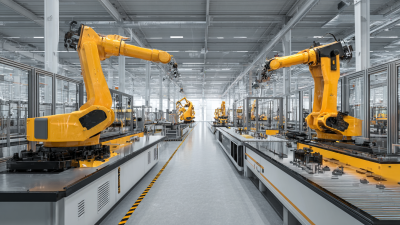
In 2026, the landscape of profile extrusion equipment is set to undergo significant changes. Advanced technologies are paving the way for higher efficiency and improved quality. Companies are focusing on integrating automation and smart technology. These investments can lead to better production rates and reduced waste. Innovations like smart sensors and AI-driven controls help in monitoring processes in real-time. This ensures that adjustments can be made swiftly, driving consistency in extruded profiles.
However, the rapidly changing technology brings challenges. Not all companies can adapt quickly to new systems. Some may struggle with the learning curve associated with advanced equipment. It is vital to evaluate the specific needs before making a transition. The right technology should align closely with production goals and capacity. Understanding operational limitations is essential to avoid costly errors.
Exploring energy-efficient options is also crucial for sustainability. Technologies that lower energy consumption can lead to long-term savings. However, not all green solutions might suit every production environment. Industry players need to conduct thorough research. Seeking expert consultations can provide insights that lead to better decision-making. Choosing the right profile extrusion solution requires careful consideration of these aspects.
How to Choose the Best Profile Extrusion Solutions in 2026?
| Dimension |
Value |
Technology |
Feature |
| Thickness |
1.0 - 20.0 mm |
Multi-layer Processing |
Enhanced Strength |
| Speed |
150 - 500 kg/h |
High Throughput |
Efficiency Optimization |
| Energy Consumption |
30 - 50 kWh/t |
Smart Energy Management |
Cost Reduction |
| Automation Level |
Fully Automated |
AI Integration |
Labor Efficiency |
| Customization |
High |
Modular Design |
Flexibility for Products |
Assessing Supplier Capabilities: Quality and Support Considerations
When selecting profile extrusion solutions in 2026, evaluating supplier capabilities is crucial.
Focus on two main areas: quality and support. A supplier's reputation for quality can often be measured
through their certifications. Look for ISO standards related to manufacturing processes. These certifications
are indicators of a supplier's commitment to maintaining high production standards. It's also prudent to
assess past projects. Successful case studies reveal a supplier's ability to meet specific client needs.
Support is equally important. How responsive is the supplier to inquiries? Analyze their communication
channels. A responsive supplier can help address problems quickly. You may have pressing challenges
during the production phase, and timely support can ease these issues. It's also beneficial to inquire
about their after-sales service. Will they assist you post-installation? A proven support structure
boosts supplier reliability.
Building a relationship with your supplier matters. Sometimes, you might discover that a less-prominent
supplier offers superior support. Reflect on past experiences you or others have had with different suppliers.
These reflections can inform your decision-making. In the end, while quality certifications are essential,
a supplier's willingness to support you may prove invaluable in the long run.