How to Choose the Best Scaffolding System for Your Needs?

Choosing the right Scaffolding System is crucial for any construction project. A well-designed scaffolding system ensures safety and efficiency on-site. John Smith, a leading expert in construction safety, once said, “The right scaffolding system can make all the difference in a project's success.”

When evaluating scaffolding options, it's essential to consider specific needs. Different projects require different systems. Weight capacity, height, and environment are key factors. Each scaffolding system has its strengths and limitations. Understanding these can prevent costly mistakes.

Many overlook the importance of quality materials. A sturdy scaffolding system enhances safety but can be expensive. Balancing cost and reliability is challenging. Professionals often need to revisit their choices. Would a different system improve site safety? Reflecting on these questions is vital for success in construction.
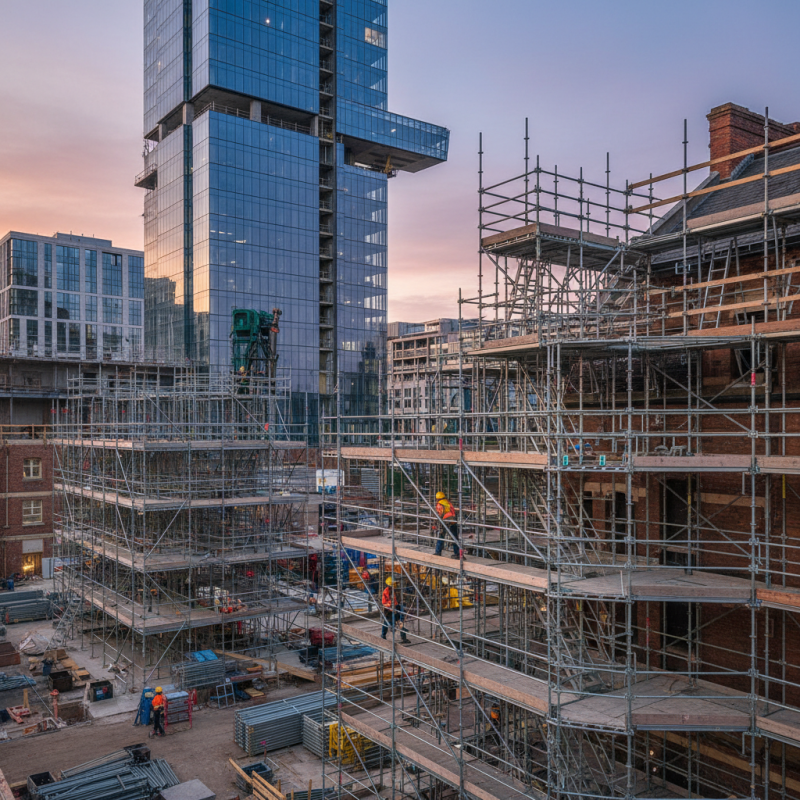
How to Choose the Best Scaffolding System for Your Needs?

Understanding Different Types of Scaffolding Systems Available

Choosing the right scaffolding system can be challenging due to the variety of options available. Each type comes with its unique benefits and drawbacks. Understanding these systems can save you time and resources in the long run.

Frame scaffolding is widely used for its simplicity. It is easy to set up and is ideal for straight structures. However, it may not be suitable for intricate projects. On the other hand, modular scaffolding offers greater flexibility. You can customize it to fit various architectural designs. The trade-off? It may require more time to assemble.

Then there’s suspended scaffolding, which is perfect for high-rise buildings. This system hangs from the top of structures, allowing workers easy access to tall areas. Yet, it can pose safety risks if not installed correctly. Each option requires careful consideration. A lack of foresight can lead to unsafe working conditions. The best choice aligns with your project needs, budget, and safety standards.

Assessing Your Project Requirements and Scope

Assessing your project requirements is crucial when choosing a scaffolding system. Each project is unique, with specific needs that can vary greatly. Consider factors such as the height of the building, the type of materials used, and the duration of the project. A thorough understanding of these variables can guide your decision effectively.

Tips: Review past projects. Reflect on what worked and what didn’t. This can provide valuable insights. Engage with professionals who have experience with scaffolding systems. Their expertise can help you understand potential challenges.

Safety is another key consideration. What are the site conditions? Is the ground stable? If not, you may need a more robust system. Always prioritize safety to prevent accidents and delays. A smaller contractor might offer personalized service but could struggle with larger projects. It's essential to weigh reliability against scope.

Tips: Create a checklist of requirements. This can simplify your decision-making process. Be open to adjusting your plans as new information arises. Flexibility can ensure better outcomes, even if it feels uncomfortable at times.

Scaffolding System Selection Based on Project Requirements

Evaluating Safety Standards and Compliance Regulations

When choosing a scaffolding system, evaluating safety standards and compliance regulations is essential. Compliance ensures that your setup meets both local and international safety guidelines. This protects workers and minimizes risks. You want a system that adheres to OSHA, ANSI, or other relevant standards. Each regulation outlines crucial safety features, including load capacities and structural stability.

Tips: Inspect the scaffolding for any defects before use. Verify documentation that proves compliance with safety standards. Also, consider training for workers on safe scaffold use. A well-trained team will recognize potential hazards. This is as vital as the scaffolding itself.

Another consideration is the maintenance of equipment. Regular checks can identify wear and tear, enhancing safety. It’s important to have a risk assessment procedure in place. This allows you to adapt quickly to any issues that may arise. Your scaffolding’s setup must be flexible enough to accommodate changes on-site, while still aligning with safety regulations.

Comparing Cost and Budget Considerations for Scaffolding

When selecting a scaffolding system, cost is a crucial factor. In construction, scaffolding can account for 15% to 25% of total project expenses. Understanding your budget allows for better decision-making. A survey from the Construction Industry Institute indicates that better budgeting can reduce project delays by up to 30%. Yet, many projects exceed their initial estimates due to unforeseen costs.

Material selection impacts pricing significantly. Aluminum scaffolding tends to be more expensive than steel. However, it offers easier handling and faster installation. According to a recent report, switching to aluminum can save labor costs by 20%. Some construction managers overlook this trade-off, leading to higher long-term expenses. Additionally, rental costs vary widely, often depending on local market rates, which can change quickly.

While it’s tempting to choose the cheapest option, other factors matter. Safety ratings, load capacities, and ease of assembly should weigh in decisions. Poor choices here can lead to increased liabilities. In fact, the National Institute for Occupational Safety and Health states that inadequate scaffolding leads to around 20% of all construction accidents. Balancing cost with safety and efficiency is essential for any successful project.

Maintenance and Durability Factors in Scaffolding Selection

When selecting a scaffolding system, durability and maintenance are crucial. A robust scaffolding structure can withstand the rigors of construction activities. Choosing materials that are resistant to weather conditions can prolong the lifespan of scaffolding. Steel and aluminum are common choices due to their strength. However, they require regular inspections to prevent rust and damage.

Maintenance plays a significant role in safety. Inspecting joints, bolts, and platforms can reveal potential issues. It is essential to address wear and tear immediately. Neglecting these checks can lead to accidents. Not all scaffolding systems are created equal. Some may require more frequent upkeep than others. Understanding these differences is vital for long-term planning.

A well-maintained scaffolding system not only ensures worker safety but also enhances productivity. Addressing minor repairs early can prevent significant expenses later. It's vital to consider how often the scaffolding will be used and in what conditions. This consideration will affect your choice of materials and design. Choosing the right system can be complex and requires thoughtful reflection.

Enquire Now

We’re here to help and answer your questions.