Choosing the right Steel Warehouses can significantly impact your business’s efficiency and growth. Steel warehouses offer durability, cost-effectiveness, and flexibility, making them a popular choice for various industries. However, selecting the ideal option requires careful consideration of several factors.
When assessing your needs, think about the specific purpose of the warehouse. Is it for storage, manufacturing, or distribution? Each function demands different layouts and features. The location of the warehouse is also crucial. A strategically placed steel warehouse can reduce shipping times and costs. Weigh these aspects against your budget and long-term goals.
Remember, not all suppliers are created equal. Some may offer lower prices but compromise on quality and service. Research potential manufacturers thoroughly to ensure reliability and good customer support. Sometimes, looking for testimonials or case studies can reveal insights that numbers alone may not show. Reflecting on these details can lead to more informed and strategic choices. Making the right decision now will pay dividends later, both in expenses and operational efficiency.
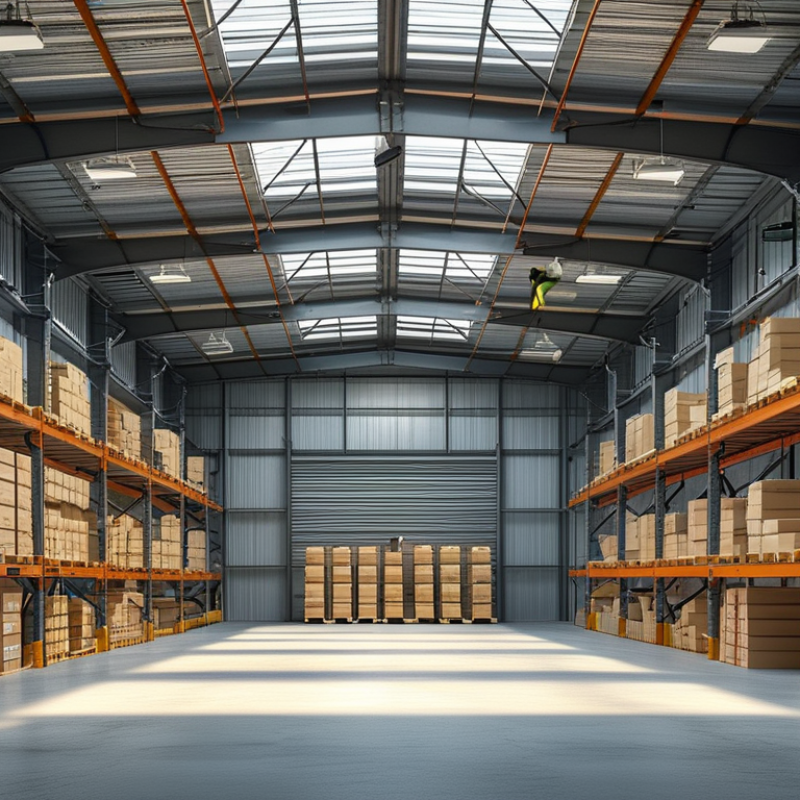
When selecting a steel warehouse, understanding the different types available is crucial. Steel warehouses come in several forms. Each type offers unique advantages tailored to specific needs. For instance, pre-engineered steel warehouses are cost-effective and quick to assemble. According to a recent industry report, this type can reduce construction time by up to 30%.
Custom-built steel warehouses provide flexibility in design. They can accommodate specific storage needs. However, these may also lead to higher costs and longer construction time. In a survey of warehouse operators, around 60% prioritized functionality over aesthetics. This preference highlights the importance of choosing a design that maximizes operational efficiency.
Another type is cold storage warehouses. They require insulation and specific cooling systems. The growing demand for perishable goods has spurred innovation in this sector. Industry data suggests that the cold storage market will grow to $38 billion by 2024. When assessing needs, it’s vital to weigh these options carefully. Misjudging the requirements can lead to future headaches. Operators may find themselves with inadequate space or inefficient designs. The right choice depends on the specific context and requirements.
| Type of Steel Warehouse | Description | Advantages | Ideal Use Cases |
|---|---|---|---|
| Standard Steel Warehouse | A basic steel structure suitable for various applications. | Cost-effective, customizable, quick to assemble. | Retail storage, light manufacturing. |
| Insulated Steel Warehouse | Features insulation for climate control. | Energy-efficient, temperature-controlled environment. | Food storage, pharmaceuticals. |
| Mobile Steel Warehouse | Modular design allowing mobility and flexibility. | Adaptable, easy relocation, less permanent installation. | Construction sites, temporary operations. |
| Industrial Steel Warehouse | Heavy-duty construction for industrial needs. | Durable, high load-bearing capacity. | Manufacturing, bulk storage. |
| Custom Steel Warehouse | Tailored design based on specific requirements. | Fully customizable, optimized for unique operations. | Specialty products, unique industrial processes. |
Choosing the right steel warehouse requires careful consideration of several key factors. One crucial element is the size of the space. Ensure the warehouse meets your storage needs without excessive empty space. Think about future growth; having extra capacity can be beneficial.
Another significant factor is the location of the warehouse. A strategically placed facility can reduce transportation costs and improve logistics efficiency. Consider proximity to suppliers and customers. This can enhance your supply chain operations and reduce delays.
Tip: Assess the warehouse’s structural integrity. Look for signs of wear or damage. A sturdy structure is essential for safety and durability.
Keep in mind the amenities offered. Features like ventilation, insulation, and loading docks can greatly impact your operations. Evaluate whether the warehouse layout supports efficient workflow.
Tip: Don’t overlook security measures. Inspect the security systems in place. A well-guarded warehouse protects your assets from theft and damage.
Ultimately, making a well-informed choice requires thorough research. Engage with experts or consult resources like industry publications. This will enhance your decision-making and ensure a suitable investment for your needs.
When evaluating space requirements for steel warehouses, the first step is to understand your specific needs. Think about the type of materials you’ll store. Consider their sizes and weights. This will affect the warehouse layout and design. Adequate space is crucial for accessibility and safety. Don't overlook the need for future growth. If you plan to expand, ensure your space can accommodate more inventory.
Next, location plays a vital role. The warehouse should be easily accessible for shipping and receiving. Proximity to major transportation routes can enhance efficiency. Also, consider local regulations and zoning laws. They can impact your operations. Analyze the surrounding infrastructure. Nearby services and utilities can influence your choice. Sometimes, a robust location might seem appealing but could lead to unexpected challenges.
Lastly, think about environmental factors. If the area is prone to natural disasters, it may not be the best choice. Reflect on these aspects carefully. Your decision should not only meet current needs but also anticipate future requirements. Being thorough in this phase can save costs and effort down the line.
When it comes to choosing a steel warehouse, budget and financing options are crucial. Understanding your financial limits helps narrow down choices. A well-defined budget ensures your needs align with available resources. However, many buyers overlook hidden costs. These can include land preparation, permits, and utility installation.
Exploring financing options is essential. Some buyers may consider loans or leasing. A short-term lease can be beneficial for businesses with fluctuating needs. Conversely, loans may suit buyers seeking long-term investment. Be aware, however, that interest rates can vary, impacting the total cost.
Finally, always leave room for unexpected expenses. Construction can often lead to surprises, such as inflation or cost overruns. Engaging with financial advisors can provide clarity. Their expertise might reveal more affordable strategies. Remember, finding the right steel warehouse requires thoughtful planning and reflection on your financial strategy.
When selecting a steel warehouse, design features and customization play a crucial role. A report from the Steel Manufacturers Association indicates that customized warehouses can enhance operational efficiency by up to 30%. Tailoring design elements to specific business needs allows companies to optimize space usage and workflow.
Customization includes roof height, door placement, and insulation options. For instance, higher roofs facilitate stacking and storage efficiency. This can lead to significant savings in rental space costs. The right design not only boosts functionality but also improves employee morale and productivity. However, businesses often overlook these elements, resulting in structures that do not meet their operational needs.
Steel warehouses should also be adaptable for future growth. A survey from Metal Buildings Industry Association found that over 50% of businesses face space constraints within five years of operation. Investing in a customizable layout from the beginning can prevent costly expansions later. Making informed decisions about design features today can pave the way for greater flexibility tomorrow.
We’re here to help and answer your questions.