2026 How to Choose the Right Hex Bolt for Your Project?
Choosing the right Hex Bolt for your project can be daunting. John Smith, a leading expert in fasteners, emphasizes, "Selecting the right hex bolt can make or break your project." Understanding the various types, materials, and sizes is crucial. Each hex bolt should match the specific demands of your application.
Hex bolts come in different grades and finishes. The right one ensures strength and durability. Pay attention to the material—steel, stainless steel, or other options. Each choice bears unique properties that affect performance. Ignoring these factors may lead to project failure.
Consider your project requirements closely. Are you working in a high-corrosion environment? Look for corrosion-resistant hex bolts. Sometimes, we underestimate small details. A seemingly minor choice can lead to significant setbacks. In the world of fasteners, knowledge and attention to detail are key to success.
Understanding Hex Bolts: Types and Specifications
Hex bolts are essential in many construction and manufacturing projects. Understanding their types and specifications is key to choosing the right one. These fasteners come in various grades and materials, each suitable for different applications. For instance, carbon steel bolts tend to be more affordable, while stainless steel options offer corrosion resistance.
When selecting hex bolts, pay attention to diameter and length. These dimensions determine their strength and suitability for a specific task. A bolt that is too short may not secure components well. Conversely, an overly long bolt can pose a risk of protruding too far and causing damage.
Consider the grade of the hex bolt as well. Higher-grade bolts are designed for heavy-duty applications and can withstand greater stress. However, they can be more expensive and may require specific tools for installation. Examine your project needs carefully before making a choice. A wrong bolt can lead to safety hazards or structural failures. Make sure to reflect on your requirements and the potential impact of your choices.
Hex Bolt Types and Their Common Uses
Key Factors to Consider When Selecting Hex Bolts
When selecting hex bolts for construction projects, several key factors determine their effectiveness. First, consider the bolt's material. Common options include carbon steel, stainless steel, and alloys. Each offers different tensile strengths and corrosion resistance. For example, carbon steel is strong but susceptible to rust, while stainless steel provides excellent corrosion resistance. An industry report stated that bolts made from stainless steel have a 70% higher longevity in harsh conditions, making them a preferred choice for outdoor projects.
Additionally, the size and thread design are critical factors. Hex bolts come in various diameters and lengths. Choosing the right size ensures proper load distribution. Incorrect sizing can lead to structural failures. Research indicates that nearly 25% of fastening failures in construction are due to improper bolt selection. Moreover, understand the load requirements of your project. Whether it’s shear or tensile loads, the chosen bolt must meet specific standards. This understanding is vital in ensuring safety and reliability.
Finally, consider the environmental factors affecting bolt performance. Temperature fluctuations, humidity, and exposure to chemicals can impact bolt integrity. A report by the Fastener Quality Act emphasizes that environmental resilience is a key aspect. Ignoring these elements can lead to unexpected failures and safety issues. Hence, take the time to evaluate every aspect of hex bolt selection carefully.
Material Choices for Hex Bolts and Their Applications
When selecting hex bolts for your project, material choices play a crucial role. Steel is the most common option due to its strength and versatility. It can endure heavy loads and provide lasting durability in various environments. However, remember that steel can rust over time without proper coatings. It's essential to consider the conditions the bolts will face.
Stainless steel is another popular choice. It offers excellent corrosion resistance, making it ideal for outdoor or marine applications. While stainless steel provides great strength, it may be more expensive than standard steel. Using stainless steel may seem like a perfect option, but think about your project’s budget.
There are also specialized materials like titanium and plastic. Titanium hex bolts are lightweight yet incredibly strong. Plastic bolts can be useful for non-structural applications, especially in environments sensitive to metal corrosion. However, these options might not provide the same load-bearing capacity as steel. Evaluate your project needs and weigh the pros and cons of each material. Choosing the right hex bolt involves careful consideration and some trial and error.
Determining the Right Size and Threading for Your Project
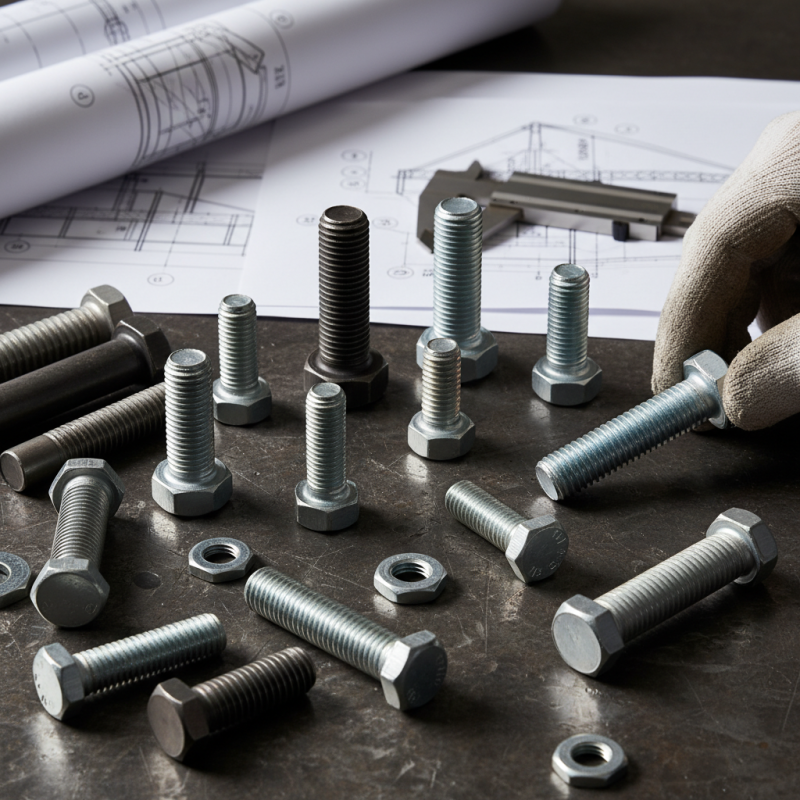
When embarking on a project that requires hex bolts, understanding the correct size and threading is crucial. Choosing the right bolt can seem daunting. It’s important to measure the diameter accurately. For instance, a bolt that is too large can damage materials, while one that is too small may not provide the necessary strength. You might want to keep a caliper handy for precise measurements.
Threading is equally vital. Fine threads provide better grip but are weaker in shear strength. Coarse threads, on the other hand, are easier to install and resist stripping. Consider the material you are working with and the environment. For example, metal-to-metal applications might require different threading compared to wood constructions.
Evaluating your project's specific needs can guide you in making informed choices. Don't hesitate to seek advice from professionals, especially if you're unsure about specifications. Mistakes in selection can lead to greater challenges later. Remember, the goal is to enhance the integrity of your project with the right hex bolts.
Best Practices for Installing Hex Bolts Effectively
When it comes to installing hex bolts, precision is key. Ensure your tools are suitable and in good condition. Using the right socket will help you avoid stripping the bolt head. A torque wrench is essential for applying the correct amount of force. Too much torque can lead to breakage, while too little might cause the bolt to loosen over time.
Before installation, consider the materials you are working with. Different materials require different types of bolts and installation techniques. Stainless steel bolts, for instance, are ideal for outdoor use, but they need proper surface treatment to resist rust. Review the specifications carefully to prevent mismatches.
Pay attention to the environment where the installation takes place. Factors such as temperature and moisture can impact the longevity of the joint. Even a small oversight can lead to significant problems later. After installation, regularly check the integrity of the bolts. Monitoring can save time and resources in the long run.
2026 How to Choose the Right Hex Bolt for Your Project? - Best Practices for Installing Hex Bolts Effectively
| Dimension | Material | Coating | Strength Grade | Typical Applications |
| 1/4" x 2" | Carbon Steel | Zinc Plated | Grade 5 | Wood Projects |
| 3/8" x 3" | Stainless Steel | Uncoated | Grade 8 | Outdoor Furniture |
| 1/2" x 4" | Alloy Steel | Black Oxide | Grade 10.9 | Heavy Machinery |
| 5/16" x 2-1/2" | Brass | Brass Plated | Not Rated | Decorative Projects |
| 7/16" x 5" | Carbon Steel | Hot-Dip Galvanized | Grade 2 | Construction |