How to Choose the Right PVC Coated Steel Wire Rope for Your Needs?

Selecting the right PVC Coated Steel Wire Rope is crucial for ensuring safety and durability in various applications. This type of wire rope offers excellent resistance to corrosion and harsh environments. It can be used in construction, marine, and manufacturing sectors.

When choosing a PVC Coated Steel Wire Rope, consider the load requirements and environmental factors. The weight capacity and the working conditions greatly influence your selection. Make sure to examine the coating thickness and the quality of steel used.

It's important to acknowledge that not all products meet the same standards. Some may wear out quickly or fail under stress. Therefore, careful evaluation of suppliers and product specifications is necessary. Take your time to reflect on your specific needs. This scrutiny will help you avoid costly mistakes and ensure optimal performance.
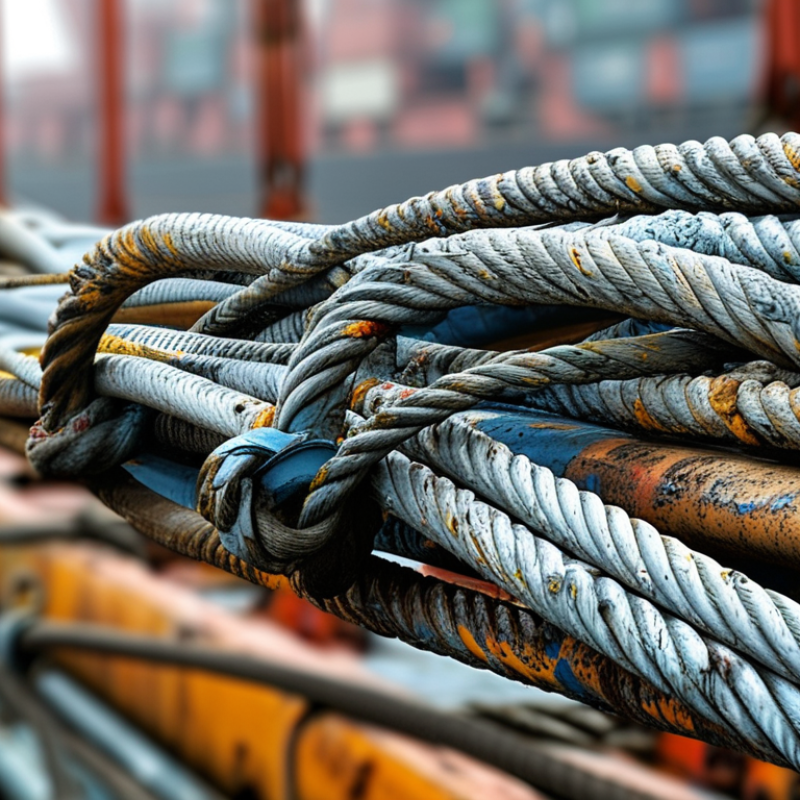
How to Choose the Right PVC Coated Steel Wire Rope for Your Needs?

Understanding PVC Coated Steel Wire Rope and Its Applications

PVC coated steel wire rope is a versatile product used in many applications. Its primary purpose is to provide durability and resistance to environmental factors. The PVC coating helps protect the steel core from corrosion and wear. This makes it ideal for outdoor use, such as in marine environments or construction sites.

In choosing the right wire rope, consider your specific needs. Different thicknesses and strengths are available. For example, a thinner rope may be lighter and easier to handle, while a thicker option offers greater load-bearing capacity. Reflect on the conditions where you will use the wire rope. Will it face harsh weather? Is flexibility important for your application?

It's vital to understand the weight and pressure limits of PVC coated wire ropes. Overloading can lead to failure. Inspect the condition of the rope regularly. Signs of wear or damage can be a cause for concern. This helps to ensure safety and reliability in your project.

Key Factors to Consider When Selecting PVC Coated Steel Wire Rope

Choosing the right PVC coated steel wire rope involves understanding several key factors. The wire gauge is crucial, as a thicker rope offers higher strength, while a thinner one is more flexible. Industry reports indicate that wire diameters can range from 1.0 mm to 12.0 mm, with the most common sizes being between 3.0 mm and 8.0 mm. Knowing your application is essential for selecting the appropriate gauge.

Coating thickness is another vital factor. A thicker PVC layer generally provides better resistance to wear and harsh environmental conditions. According to a study by the International Wire and Plastic Products Corporation, coatings can reduce corrosion by up to 50%. However, overspecifying thickness may add unnecessary weight and limit flexibility.

Tips: Check the certification of the wire rope to ensure it meets industry standards. Consider the rope's flexibility, as this affects installation in tight spaces. Pay attention to environmental exposure. Selecting the right PVC coating can prolong the rope’s lifespan significantly.

Identifying the right tensile strength is equally important. Look for ropes that match the weight and load conditions of your application. The National Association of Wire Rope Manufacturers recommends conducting regular inspections. This ensures that the wire maintains its structural integrity over time. Some applications may require adjustments, making familiarity with the product essential for optimal use.

Choosing the Right PVC Coated Steel Wire Rope: Key Factors

Analyzing Load Capacity and Breaking Strength in Wire Rope Selection

When selecting PVC coated steel wire rope, analyzing load capacity and breaking strength is crucial. Load capacity refers to the maximum weight the rope can safely carry. For instance, a rope rated for 1,000 pounds can handle heavy lifting tasks. However, environmental factors can affect this capacity. For example, extreme temperatures or abrasion can weaken the material. Always consider the working environment when making a choice.

Breaking strength indicates the force required to break the rope. It is typically higher than the load capacity. Understanding this difference is vital to ensure safety. A common mistake is assuming higher breaking strength means better performance in all conditions. Testing your rope in realistic scenarios will reveal its true reliability. A visual inspection for visible damages can also prevent unforeseen failures. Always remember, the right choice combines both strength and the specific needs of your application.

Evaluating Environmental Resistance: Corrosion and UV Protection

Choosing the right PVC coated steel wire rope involves considering its environmental resistance, particularly against corrosion and UV exposure. When working in harsh outdoor environments, corrosion is a significant risk. A quality coating helps protect the steel wire from moisture and salt. However, not all coatings are equally effective.

UV protection is equally important. Prolonged sunlight exposure can degrade some PVC coatings. This degradation may result in brittleness and peeling, affecting performance. It is crucial to assess the coating’s resistance to UV rays. Look for product specifications that detail this resistance.

In practical terms, testing the rope in various conditions can reveal its true durability. Always consider the rope's intended application. Evaluate how the environment may affect its lifespan. A wire rope that performs well in one setting may not hold up in another. Reflect on these factors before making your choice.

Comparing Cost-Effectiveness: PVC Coated vs. Non-Coated Wire Ropes

When evaluating PVC coated steel wire ropes, cost-effectiveness is a key factor. PVC coatings add durability and resist corrosion. This advantage can lead to lower maintenance costs over time. Non-coated wire ropes, however, might be less expensive upfront. This is tempting for projects with a tight budget. But, consider the long-term implications carefully.

The choice between coated and non-coated ropes often hinges on specific applications. For outdoor or marine environments, PVC coatings offer added protection. They withstand harsh weather conditions without significant wear. In contrast, non-coated ropes may require frequent replacements, increasing overall expenses. It’s crucial to weigh the initial savings against potential future costs.

Reflecting on performance is also vital. PVC coated ropes may feel bulkier. Some users find them challenging to handle. On the other hand, non-coated ropes can offer more flexibility. However, this might not always justify the lack of protection. Each option has its pros and cons based on usage and environments.

How to Choose the Right PVC Coated Steel Wire Rope for Your Needs? - Comparing Cost-Effectiveness: PVC Coated vs. Non-Coated Wire Ropes

Property PVC Coated Wire Rope Non-Coated Wire Rope
Cost per Meter $2.50 $1.80
Weight (kg per 100m) 150 140
Breaking Strength (kg) 1500 1400
UV Resistance High Low
Abrasion Resistance Excellent Good
Longevity Up to 10 years Up to 5 years

Enquire Now

We’re here to help and answer your questions.