2026 How to Source Cold Rolled Coil Efficiently?

The quest for efficient sourcing of cold rolled coil has become increasingly critical in today's manufacturing landscape. According to a recent report by the World Steel Association, the global production of cold rolled sheets reached over 180 million metric tons in 2022. This significant output reflects the growing demand across various industries, notably automotive and construction. Sourcing cold rolled coil effectively can lead to substantial cost savings and enhanced product quality.

To navigate the complexities of sourcing cold rolled coil, businesses must focus on establishing reliable supplier relationships. A survey by MetalMiner highlights that 45% of procurement professionals struggle to find consistent quality and pricing. This inconsistency can impact production timelines and overall profitability. Recognizing these challenges is essential for developing strategic sourcing methods that drive efficiency.

Moreover, the advanced tracking of raw materials is vital. Inconsistent sourcing can lead to misalignments in supply chain efficiency. Techniques such as just-in-time inventory management can mitigate this risk. However, it's important to remain aware of market fluctuations that can affect availability and pricing. Striking the right balance is a continuous process that often requires ongoing reflection and adaptation in practices.
2026 How to Source Cold Rolled Coil Efficiently?

Understanding Cold Rolled Coil: Definition and Uses

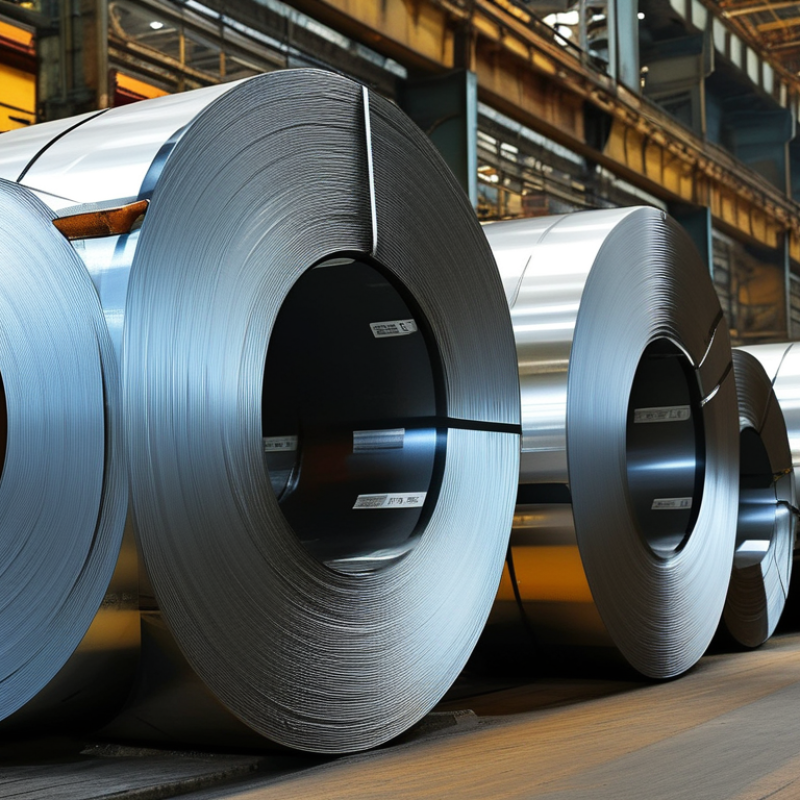
Cold rolled coil is a vital material in many industries. It serves multiple purposes, from automotive manufacturing to appliance production. This type of steel undergoes a unique process where it is rolled at room temperature. This technique enhances its strength and surface finish. The smooth surface allows for better painting and coating adherence.

Understanding cold rolled coil requires familiarity with its specifications. The thickness typically ranges from 0.2 to 3.2 mm. Industries often favor this material for its dimensional accuracy and surface quality. Applications include structural components, metal furniture, and more.

However, sourcing cold rolled coil can present challenges. Many suppliers provide different grades and finishes, making it hard to choose. Quality control and reliability are crucial. An inconsistent supply can affect production schedules. Exploring various suppliers is essential for finding reliable options. It’s worth taking time to research and confirm the materials meet project specifications.

Identifying Reliable Suppliers for Cold Rolled Coil

Finding reliable suppliers for cold rolled coil can be challenging yet crucial for manufacturers. Start by researching online directories and industry-specific platforms that list potential suppliers. Look for suppliers who have verifiable certifications and a track record of quality. These credentials serve as a benchmark for evaluating their reliability.

Networking at industry events can also prove effective. Meeting suppliers face-to-face allows for a genuine assessment of their operations. Ask for references from other clients to get insights into their reliability and product quality. Take note of any red flags, such as lack of communication or unwillingness to share information.

Evaluate their production capabilities carefully. A supplier should possess advanced machinery and adhere to industry standards. Check their delivery timelines and responsiveness to inquiries. This helps gauge their overall professionalism. Be prepared for potential pitfalls, like price fluctuations or unanticipated delays. Reflecting on these aspects can steer your sourcing strategy effectively.

2026 How to Source Cold Rolled Coil Efficiently?

Evaluating Quality Standards and Specifications for Cold Rolled Coil

When sourcing cold rolled coil, understanding quality standards and specifications is crucial. Various industries use cold rolled coils for manufacturing. Each application may demand different thicknesses, widths, and mechanical properties. Knowing these requirements helps in selecting the right material.

When evaluating quality, look for key specifications like yield strength, tensile strength, and elongation. These numbers indicate how the material will perform under stress. Additionally, inspect the surface quality for defects. A smooth surface enhances the product’s aesthetic and functional qualities.

Tips: Always request mill test reports. These documents provide vital information about the material's properties. Consider sourcing from suppliers with industry certifications, which can help ensure compliance with standards. Finally, it's wise to perform periodic quality checks on your materials. This practice can uncover issues before they escalate.

Negotiating Pricing and Terms with Cold Rolled Coil Manufacturers

When negotiating pricing and terms with cold rolled coil manufacturers, preparation is crucial. Understand the current market trends. Research industry benchmarks to ensure your expectations align with reality. This knowledge helps foster informed discussions with suppliers.

Clear communication is vital. Establish your requirements upfront. Define quantities and specifications. Discussing these details openly can prevent misunderstandings later. It’s also essential to manage expectations about delivery times. Manufacturers may face unexpected delays, and flexibility can be beneficial.

Don't shy away from negotiating terms. Consider payment options and lead times. Offering to pay upfront in exchange for better pricing can create a win-win situation. However, be wary of terms that seem too favorable. Always strive for balance. A good agreement should reflect fair terms for both parties.

Optimizing Logistics and Delivery for Cold Rolled Coil Sourcing

Sourcing cold rolled coil effectively requires a sharp focus on logistics and delivery. The timely arrival of materials significantly impacts production schedules. According to a 2022 report by the World Steel Association, delays in sourcing can lead to a 30% increase in operational costs. Implementing efficient logistics strategies can help mitigate these costs.


Optimal transportation routes and methods are critical. Data shows that using intermodal transport can reduce shipping time by 15% compared to road-only options. Additionally, real-time tracking technologies allow for better visibility throughout the supply chain. This helps in identifying potential delays early, leading to proactive measures.


However, there are challenges. Not all regions have reliable infrastructure, which can complicate delivery schedules. Over-reliance on a single transport method can also create bottlenecks. Diversifying suppliers and routes may introduce complexity but often enhances reliability. Addressing these issues is crucial for maintaining smooth operations in sourcing cold rolled coil.

Enquire Now

We’re here to help and answer your questions.