What is Stainless Metal Fabrication and Its Benefits for Buyers?
Stainless Metal Fabrication is crucial in modern manufacturing. According to a report by MarketsandMarkets, the global stainless steel market is projected to reach over $170 billion by 2026. This growth reflects the rising demand for durable and corrosion-resistant materials across various industries.
Buyers benefit significantly from using stainless metal fabrication. The process allows for precise shaping and joining, resulting in high-quality products. In fact, studies indicate that fabricated stainless steel components can increase product longevity by 25% compared to other materials. This enhanced durability reduces maintenance costs and improves overall efficiency in operations.
However, not all fabrication processes are created equal. Buyers must consider the skills of the fabricators and the technology they employ. Quality variations can occur, impacting the end product's performance. Therefore, it is essential to choose a reputable fabricator committed to excellence in stainless metal fabrication.
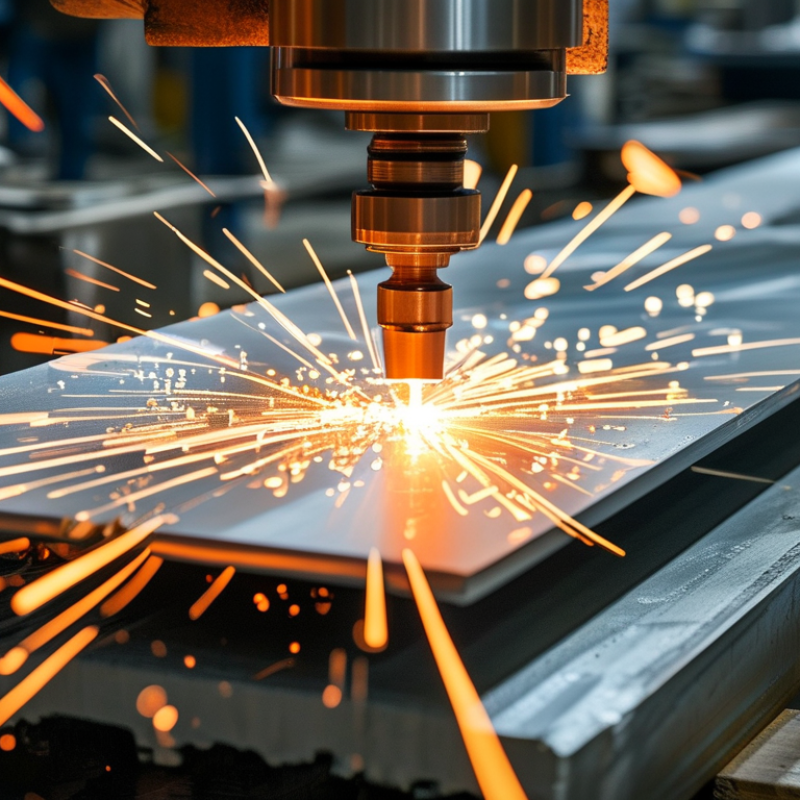
What is Stainless Metal Fabrication?
Stainless metal fabrication refers to the process of shaping and assembling stainless steel into various forms. This technique is crucial in numerous industries, including construction, automotive, and food processing. According to the Global Stainless Steel Market Report, the stainless steel market is projected to reach $150 billion by 2028, driven by its growing demand for durability and corrosion resistance.
Stainless steel offers exceptional strength and longevity. It doesn't rust or corrode, making it ideal for both indoor and outdoor applications. Additionally, it is environmentally friendly, as it can be recycled without losing its properties. This makes stainless metal fabrication a preferred choice for sustainable building practices.
Tip: When choosing a stainless metal fabricator, consider their experience and qualifications. Look for companies with certifications in ISO and ANSI standards.
Another aspect to consider is the variety of finishes available in stainless steel. Options range from smooth surfaces to textured finishes, each serving unique purposes in design and function. However, not all finishes are created equal. Some may show wear more quickly than others.
Tip: Ask for samples before making a decision on finishes. Evaluating physical examples can help avoid potential regrets later on.
The Process of Stainless Metal Fabrication Explained
Stainless metal fabrication involves various processes. These include cutting, bending, and assembling stainless steel materials. The manufacturing requires specialized skills. Each step needs precision to ensure the final product’s quality. For instance, cutting must be accurate to avoid waste. Even a slight error can lead to costly mistakes.
Welding is another critical part of the process. It fuses metal components together. Proper technique is essential here; otherwise, the joint may weaken over time. Skilled fabricators often use advanced tools to improve consistency. However, even experienced workers can face challenges. Mistakes can happen due to fatigue or oversight.
The choice of stainless steel grade affects the fabrication process. Different grades are suited for various applications. This means choosing the right type demands research and consideration. Some buyers might overlook this detail, leading to inappropriate applications. It’s crucial to focus on both the process and the material used. Quality assurance must be part of every step to achieve the best results.
What is Stainless Metal Fabrication and Its Benefits for Buyers? - The Process of Stainless Metal Fabrication Explained
| Process Step | Description | Benefits |
| Cutting | Dividing stainless steel sheets into specified dimensions using laser or plasma cutting. | Precision and reduced waste material. |
| Forming | Bending metal sheets or plates to achieve desired angles and shapes. | Ability to create complex shapes effectively. |
| Welding | Joining two or more metal parts together using extreme heat and filler material. | Strong and durable joints suitable for structural applications. |
| Finishing | Surface treatment to enhance aesthetics and corrosion resistance, including polishing and coating. | Improved appearance and longer product lifespan. |
| Quality Control | Inspection and testing of finished products to ensure they meet specifications. | Assurance of product quality and reliability. |
Key Benefits of Stainless Metal Fabrication for Industries
Stainless metal fabrication offers significant benefits to various industries. Key advantages include durability and corrosion resistance. Stainless steel resists rust and staining, making it ideal for harsh environments. According to a report by Grand View Research, the global stainless steel market was valued at over $100 billion in 2021 and is expected to grow due to rising demand in construction and automotive sectors.
Cost efficiency also stands out in stainless metal fabrication. This process can reduce waste and promote recycling. Many manufacturers are now leveraging advanced techniques to optimize material usage. However, the initial investment in high-quality fabrication equipment can be substantial. Companies need to weigh these costs against long-term savings on repairs and maintenance.
Another advantage is the versatility of stainless steel. It can be shaped into various forms for different applications. Industries use it in food processing, pharmaceuticals, and architecture. Despite its benefits, challenges remain. For example, not all stainless steel grades are suitable for every application. It’s crucial for buyers to select the appropriate type for their needs. Engaging with fabrication specialists can mitigate these risks and enhance project outcomes.
Market Trends: Demand for Stainless Steel in Fabrication
The demand for stainless steel in fabrication continues to rise, reflecting the metal's versatility and durability. Recent industry reports indicate that the global stainless steel market is projected to reach $200 billion by 2025. This surge is driven by its applications in construction, automotive, and food processing industries. Buyers are increasingly seeking stainless steel solutions for their projects due to its non-corrosive properties.
However, this growing demand isn't without challenges. The fabrication process can be complex and requires skilled professionals. The quality control in stainless steel fabrication must be meticulous to avoid defects. Even slight inconsistencies can lead to significant issues in the end product. Thus, buyers need to work closely with experienced manufacturers who prioritize precision and reliability. According to a recent study, nearly 30% of stainless steel projects report design flaws, underscoring the importance of expertise.
Additionally, sustainability is becoming a critical concern in stainless steel fabrication. Many buyers are looking for eco-friendly manufacturing practices. Industry trends suggest that over 50% of professionals prefer suppliers with sustainable practices. It’s clear that the market is evolving, and buyers must adapt to these changes. Balancing quality, cost, and environmental impact presents an ongoing challenge for many in this sector.
Demand for Stainless Steel in Fabrication (2020-2023)
Technical Standards and Quality Control in Stainless Metal Fabrication
In stainless metal fabrication, technical standards play a vital role. These standards ensure that products meet specific requirements for durability and safety. Adherence to established criteria helps prevent defects. Quality control measures are necessary for maintaining the integrity of fabricated products. Regular inspections and testing can uncover issues early in the process.
Implementing robust quality control protocols can be challenging. It requires skilled personnel and advanced equipment. Buyers should seek fabricators who value quality and transparency. Fabricators often use various techniques to meet these standards, such as welding, cutting, and finishing. Each method has its own set of requirements and standards.
However, there are times when issues arise. Variations in materials or equipment can lead to inconsistencies. Buyers must communicate openly with fabricators to address these concerns. It’s essential to discuss quality benchmarks and expected outcomes. Clear dialogue fosters better results and stronger partnerships.