Top Stainless Steel Flange Types for Global Buyers?
In the global market, Stainless Steel Flanges play a crucial role in various industries. They ensure secure connections in piping systems, which are vital for safe operations. According to a recent industry report from Grand View Research, the global stainless steel flange market size was valued at USD 15.2 billion in 2023 and is expected to grow significantly in the coming years. This reflects the high demand across sectors like oil and gas, chemicals, and construction.
Understanding different flange types and their applications is essential for buyers. The choice of a stainless steel flange impacts not only performance but also durability. For instance, slip-on flanges are popular due to their ease of installation. However, they may not always be the best choice for high-pressure applications. Misjudging these needs can lead to costly failures and safety hazards.
Despite advancements in manufacturing quality, challenges remain. Buyers must navigate variations in specifications and standards which can differ globally. This variability can lead to confusion and errors in procurement. Hence, it is crucial to partner with reliable suppliers who provide detailed product information and certifications, ensuring that every stainless steel flange meets the required performance standards.
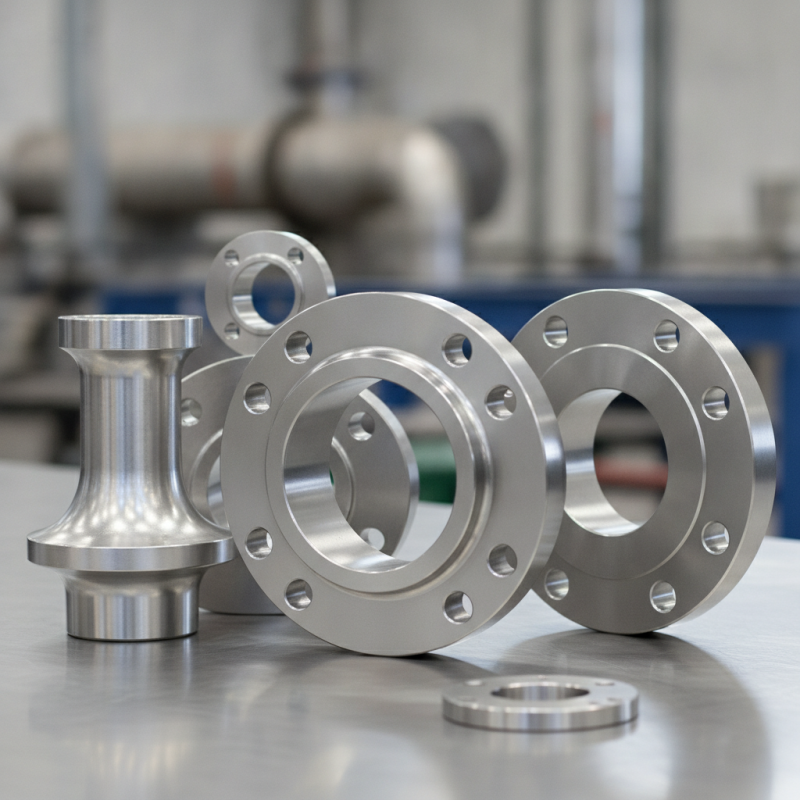
Overview of Stainless Steel Flanges and Their Importance
Stainless steel flanges play a crucial role in various industries. They connect pipes, valves, and machinery, ensuring a leak-proof seal. According to a recent industry report, the global stainless steel flange market reached approximately $4 billion in 2022, with a projected CAGR of 5% from 2023 to 2030. This indicates strong demand driven by the expanding construction and manufacturing sectors.
The importance of stainless steel flanges lies in their resistance to corrosion and durability. They are essential in high-pressure systems, where safety is paramount. Market data reveals that around 30% of flanges used are made of stainless steel due to their superior performance. Additionally, the market sees a variety of flange types, such as blind, weld neck, and slip-on flanges. Each type serves specific applications, which can be challenging for a buyer to navigate.
While choosing stainless steel flanges, buyers often overlook factors like material grade and finish. These can significantly impact performance and longevity. Many may not realize that low-quality flanges can lead to costly failures in systems. Understanding specifications is vital for ensuring safety and efficiency in operations.
Common Types of Stainless Steel Flanges Used in Industries
Stainless steel flanges are essential in various industries, providing reliable connections in piping systems. The most common types include slip-on, weld neck, and blind flanges. In a recent market report, it was noted that slip-on flanges account for about 35% of the global market share. They are favored for their ease of installation and cost-effectiveness.
Weld neck flanges, on the other hand, are often used in high-pressure applications. They are designed to offer better strength and flexibility. According to industry standards, they help to minimize stress concentration, especially in critical piping systems. While their installation can be complex, the benefits often justify the challenge.
Blind flanges serve a different purpose. They are used to seal off the end of a piping system. This type accounts for nearly 20% of the market, making them vital in industries ranging from oil and gas to water treatment. However, the lack of flexibility in blind flanges can lead to concerns in terms of maintenance and inspection. Such reflections highlight the importance of carefully selecting the right flange type for specific applications.
Key Specifications and Standards for Stainless Steel Flanges
Stainless steel flanges are crucial components in piping systems. Their specifications and standards come from various organizations globally. ASTM, ASME, and ISO provide key guidelines for quality and performance. Understanding these standards is essential for global buyers.
Key specifications include material types, dimensions, and pressure ratings. Common material grades are ASTM A182 and A240. Flanges vary in thickness and diameter. Pressure ratings are categorized into classes like 150, 300, and 600. These ratings indicate how much pressure each flange can withstand, ensuring safety in various applications.
Tips: Choose flanges that meet your specific application needs. Verify that the flanges comply with the required standards for your region. Always consult detailed technical data sheets for accurate specifications. Keep in mind that tolerances can differ based on manufacturing processes. Each flange's configuration may impact overall system performance.
Top Stainless Steel Flange Types for Global Buyers
| Flange Type | Standard Specification | Material Grade | Pressure Rating | Size Range |
| Welding Neck Flange | ASME B16.5 | 304, 316 | 150-2500 PSI | 1" to 48" |
| Blind Flange | ASME B16.5 | 304, 316 | 150-1500 PSI | 1" to 24" |
| Slip-On Flange | ASME B16.5 | 304, 316L | 150-3000 PSI | 1" to 36" |
| Socket Weld Flange | ASME B16.5 | 304, 316 | 150-3000 PSI | 1/2" to 4" |
| Threaded Flange | ASME B16.5 | 304, 316 | 150-3000 PSI | 1/2" to 24" |
Considerations for Choosing the Right Flange Type
When selecting the right stainless steel flange, several key considerations must be taken into account. First, the material's grade plays a vital role. Options like 316 or 304 stainless steel offer different resistances to corrosion and pressure. Data indicate that 316 stainless steel is preferred in marine environments due to its superior corrosion resistance, making it essential for buyers to match materials to their specific use cases.
Another crucial factor is the flange type. Different applications require different pressure ratings and designs. A recent industry report noted that weld neck flanges dominate the market due to their strength in high-pressure scenarios. However, relying solely on one type can be risky. Several applications may benefit from the versatility of lap joint or blind flanges, especially when accommodating changes in piping systems.
**Tips**: Always verify the flange specifications, including dimensions and pressure ratings. Consider the operating environment; temperature variations can affect flange performance. Don’t overlook the importance of compatibility with existing systems. An incompatible flange can lead to leaks or failures, resulting in costly repairs. Trust industry standards and consult with experts to ensure optimal choices.
Global Market Trends and Demand for Stainless Steel Flanges
The global market for stainless steel flanges is witnessing remarkable growth. According to a recent report from Grand View Research, the stainless steel flange market is expected to reach USD 3.3 billion by 2025. This surge is driven by increasing industrialization and demand for durable materials. Countries like India and China are leading this charge, supported by infrastructure development and investment.
Moreover, the oil and gas industry continues to push for high-quality stainless steel flanges. This sector demands reliability in harsh environments, hence choosing materials like 316 stainless steel. In 2022, it accounted for around 35% of the total market share. However, some manufacturers are still struggling with quality assurance, risking product reliability.
With the ongoing shift towards sustainability, recycled stainless steel is also gaining traction. This presents both opportunities and challenges. While it supports environmental goals, ensuring consistent quality can be elusive. This landscape requires companies to adapt rapidly to market demands while maintaining standards. The global stainless steel flange market is complex yet filled with potential.