Choosing the right galvanized wire factory is crucial for businesses in various sectors, including construction and agriculture. The galvanized wire industry has seen a steady growth rate of 5% annually, driven by increasing demand for durable materials. According to a recent industry report, the market for galvanized wire products is projected to reach 7 billion USD by 2025. This growth emphasizes the importance of selecting a reliable galvanized wire factory that adheres to quality standards.
When evaluating potential suppliers, consider their experience and expertise. Look for factories with a proven track record in producing high-quality products. A reputable galvanized wire factory should also have certifications that reflect industry standards, ensuring reliability and safety. Additionally, examining customer reviews and case studies can provide insights into a factory's operational practices and product quality.
It’s important to reflect on the specific needs of your business. While cost is a significant factor, it shouldn’t be the only consideration. Cheap options may lead to compromised quality. Balancing affordability with quality is essential for long-term success. Collaborating with a competent galvanized wire factory can significantly impact your project outcomes, making informed decisions vital for sustainable growth.
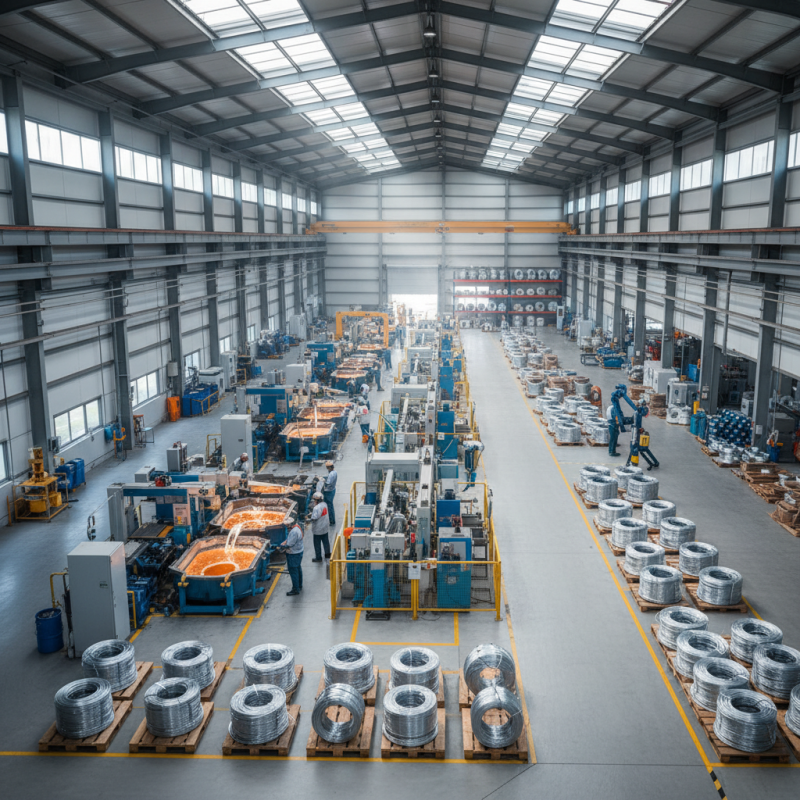
When evaluating the quality standards of a galvanized wire factory, consider a few critical aspects. Begin with the materials used in production. High-quality galvanized wire should be made from durable steel. Look for factories that openly share their sourcing information. This transparency reflects their commitment to quality.
Understanding production methods is equally vital. A factory that employs advanced galvanizing techniques ensures better corrosion resistance. Inquire about their testing procedures for wire quality. Reliable factories will have rigorous testing to ensure their products meet industry standards.
Here are some tips for assessing a factory's standards. Visit their facility if possible. Observing operations in person provides insight into their practices. Ask about certifications. Valid certifications from recognized authorities can indicate adherence to quality benchmarks. Feedback from previous clients offers valuable perspectives on their reliability. Always look for verifiable references.
Overall, a trusted galvanized wire factory will communicate openly and meet quality requirements. Choose wisely, as the right partner can impact your project’s success.
This chart illustrates the key criteria for assessing the quality standards of a galvanized wire factory, highlighting the importance of factors like quality control, material used, and certifications among others. Each criterion is rated on a scale of 0 to 100, providing a visual representation to aid in the decision-making process.
When evaluating the production capacity of a galvanized wire manufacturer, several key factors come into play. Start by examining the factory's machinery and technology. Modern equipment can significantly enhance efficiency and output. Look for manufacturers that invest in advanced production techniques. This often translates to higher quality products.
Another important aspect is the labor force. Skilled workers can make a significant difference in production quality and speed. Visit the facility, if possible. Observe how teams operate and communicate. This can provide insight into overall operational effectiveness.
Production capacity isn't static. It can fluctuate based on multiple factors, including raw material availability. It's worth considering whether the factory has contingency plans in place. Ask about past performance during peak demands. Such information can indicate how well they can handle growth or sudden orders. Reflect on these aspects carefully when selecting a manufacturer.
When selecting a galvanized wire factory, understanding the types of galvanization processes is crucial. There are mainly three types: hot-dip galvanization, electro-galvanization, and mechanical galvanization. Each process has unique attributes that cater to different applications. For instance, hot-dip galvanization offers superior corrosion resistance, with reports indicating that it can extend the lifespan of steel up to 50 years.
Hot-dip galvanization involves immersing steel in molten zinc. This process creates a robust and uniform coating. Industry data shows that this method enhances the material's durability significantly.
In contrast, electro-galvanization applies zinc through electroplating, resulting in a thinner layer. This method is often more suitable for applications requiring a lighter coating and provides less protection against rust.
Mechanical galvanization is a less common option, utilizing mechanical energy to apply zinc. Although it can be cost-effective, it may not provide the level of corrosion resistance found in hot-dip galvanization. Factories may need to evaluate these processes based on project requirements.
This assessment can highlight the importance of process choice and its implications for long-term performance.
When selecting a galvanized wire factory, certification and compliance should be paramount. Understanding the different industry standards is crucial. Look for facilities that meet ISO certifications. These indicate adherence to international quality management systems. Compliance with environmental regulations is also important. Factories that pass environmental audits demonstrate responsible practices. This can affect product quality and your brand image.
Inquire about the factory's compliance with safety standards. Regulations vary by region, but some standards are globally recognized. Certifications like CE mark or RoHS can assure you that the products are safe and reliable. Ensure the factory undergoes regular inspections. Reliability and quality could hinge on these checks.
Don’t overlook customer feedback regarding compliance issues. Reviews can reveal potential red flags. It’s essential to engage with previous clients for firsthand experiences. This adds an extra layer of insight into the factory’s commitment to compliance. Quality assurance is a collective responsibility; a factory’s failures can reflect on you. Always prioritize thorough background checks.
When selecting a galvanized wire factory, customer reviews and case studies are invaluable. They provide insights into product quality and customer service. A recent industry report suggests that over 70% of clients emphasize reliable feedback from past buyers. Evaluating this feedback can reveal strengths and weaknesses in potential partners. Look for detailed assessments that discuss material properties, durability, and performance.
It’s essential to ask specific questions when reviewing case studies. Often, they highlight challenges faced and solutions provided. Does the factory have experience with custom projects? What materials do they typically handle? Understanding these elements helps gauge the factory’s expertise.
Tip: Evaluate the factory's response times in client communications. Delays in responses can indicate larger issues. Trustworthy factories prioritize customer interaction. Buying galvanized wire is not just about price; it’s about establishing a dependable relationship. After all, investing in quality products pays off in the long run, as proper wire can last under tough conditions.
We’re here to help and answer your questions.