Choosing the right Abs Enclosure involves more than comparing prices and dimensions. The box must protect its contents under real working conditions. Think about dust, moisture, vibration, heat, and accidental impact. A workshop wall may expose an enclosure to oil mist and metal filings. An outdoor cabinet may face sunlight, rain, and changing temperatures.
This guide shares ten practical tips for evaluating an Abs Enclosure with greater confidence. It considers material quality, wall thickness, internal space, sealing performance, mounting options, and cable entry design. It also examines hinges, latches, transparency, ventilation, and long-term maintenance. Small details matter. A poorly positioned cable gland can weaken protection. A lid with limited clearance can damage wiring during installation.
Check the datasheet carefully.
Professional selection should combine supplier information with hands-on inspection. Measure the equipment, allow room for terminals, and test the cover before final installation. Review published IP, impact, temperature, and flammability data when these properties affect safety or reliability. Independent test evidence can be valuable, but it should match the actual product model. Marketing language is not enough.
No enclosure fits every project. That is easy to forget. A compact design may save space but restrict airflow. A strong seal may complicate frequent access. ABS can offer useful insulation and corrosion resistance, yet performance depends on formulation, manufacturing quality, and exposure conditions. These tips will help you compare practical trade-offs, identify overlooked risks, and choose a housing that supports dependable service rather than simply looking suitable on a product page.
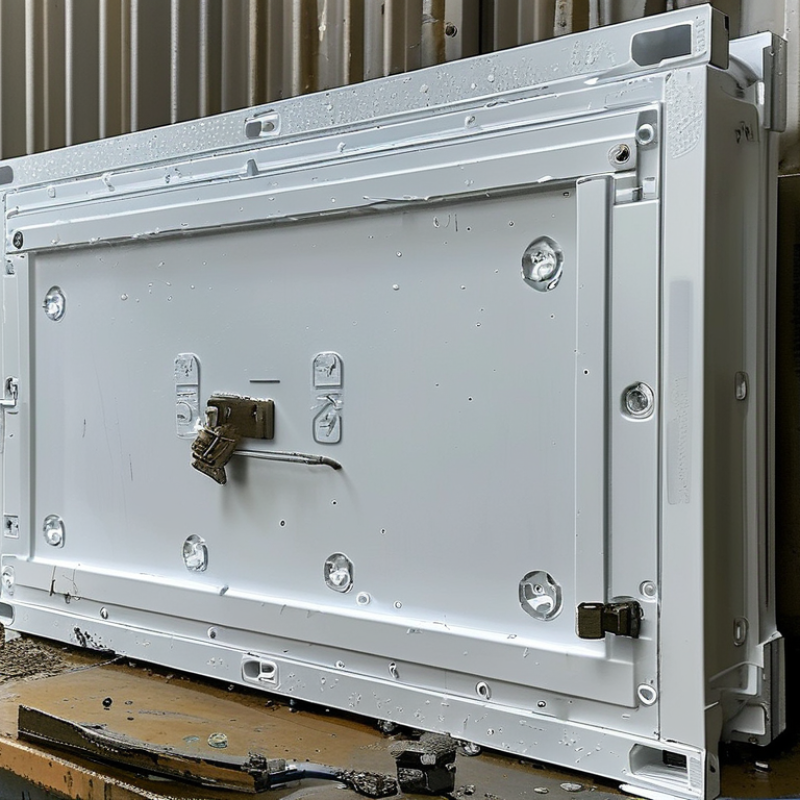
10 Tips for Choosing the Best ABS Enclosure
ABS is a practical enclosure material for indoor control panels, sensors, and small electrical assemblies. It is lightweight, impact resistant, and easy to machine. However, ordinary ABS can become brittle under prolonged sunlight or extreme temperatures. For outdoor installations, consider UV-stabilized ABS or another engineered plastic. Check the manufacturer’s temperature range, wall thickness, and chemical resistance data. These details matter more than a smooth surface.
Protection ratings need careful interpretation. An IP rating follows IEC 60529 and describes resistance to solids and water. IP54 can resist dust ingress and splashing water, while IP65 offers stronger dust protection and water-jet resistance. Neither rating means the enclosure can remain underwater. The rating also depends on the lid seal, screws, hinges, cable glands, and installation method. A strong box can fail through one poorly fitted cable entry.
I have seen installers select an enclosure by size alone, then struggle with crowded terminals and damaged seals. Leave room for wiring and future inspection. Check whether the enclosure supports grounding, mounting rails, or ventilation accessories. A flame rating, such as UL 94, may also matter near heat sources, but it does not replace temperature testing. Ratings can be misunderstood. Recheck the complete assembly under real conditions, including vibration, sunlight, condensation, and cleaning chemicals.
| Tip | Selection Dimension | Recommended Specification | Relevant ABS Enclosure Data | Why It Matters |
|---|---|---|---|---|
| 1 | Identify the Operating Environment | Use general-purpose ABS for clean, indoor applications; consider a more chemically resistant material for harsh environments. | ABS is lightweight, electrically insulating, and commonly used for indoor control, instrumentation, and electronics housings. | Material selection should reflect exposure to moisture, chemicals, sunlight, dust, impact, and temperature changes. |
| 2 | Choose the Required IP Rating | Select the rating according to the expected ingress risk: IP54 for limited dust and splashing, IP65 for dust-tight protection and water jets, or IP67 for temporary immersion. | In an IP code, the first digit describes protection against solids and dust, while the second digit describes protection against water. | A higher IP rating normally requires a suitable gasket, correctly designed mating surfaces, and properly sealed cable entries. |
| 3 | Check Impact Resistance | For equipment exposed to handling or accidental knocks, compare the enclosure’s declared IK impact rating and material impact data. | IK ratings range from IK00 to IK10; IK08 corresponds to impact energy of 5 joules, while IK10 corresponds to 20 joules. | ABS can provide good impact performance for many indoor applications, but the actual result depends on wall thickness, geometry, temperature, and formulation. |
| 4 | Confirm Temperature Limits | Verify the manufacturer’s continuous-use and short-term temperature range before installation near heat sources or outdoors. | Many standard ABS grades are used approximately within a -20°C to +80°C service range, although the exact limits vary by grade and design. | High temperatures can reduce stiffness, while low temperatures may make some ABS formulations more vulnerable to impact. |
| 5 | Evaluate UV Exposure | For direct sunlight or outdoor service, choose UV-stabilized ABS or consider a UV-resistant alternative material. | Unprotected ABS may discolor, chalk, or become less tough after prolonged ultraviolet exposure. | UV stabilization, protective coatings, and shaded installation can help extend enclosure appearance and service life. |
| 6 | Review Flammability Requirements | Specify the required flammability classification based on the applicable electrical, industrial, or product safety standard. | ABS grades may be available with classifications such as UL 94 HB or UL 94 V-0; classification depends on the exact resin and wall thickness. | Flammability results cannot be assumed from the word “ABS” alone and should be confirmed for the selected material grade. |
| 7 | Allow Enough Internal Space | Choose an internal footprint and height that provide clearance for components, wiring, connectors, ventilation, and maintenance access. | A practical design allowance is to reserve approximately 15–25% additional internal volume beyond the initial component layout. | Extra space reduces cable bending stress, improves heat distribution, and makes assembly and future servicing easier. |
| 8 | Assess Wall Thickness and Rigidity | Use a wall thickness appropriate to enclosure size, mounting loads, screw locations, and expected impact. | Small ABS housings commonly use walls around 2–3 mm thick; larger or heavily loaded designs may require thicker sections or reinforcing ribs. | Wall thickness influences rigidity, fastener strength, impact performance, weight, and molding quality. |
| 9 | Inspect the Sealing and Closure Design | Prefer a continuous gasket, controlled compression, captive fasteners, and a defined enclosure joint for higher protection levels. | Gasket materials may include silicone, EPDM, or polyurethane foam, depending on temperature, moisture, and chemical exposure. | Even a well-rated enclosure can lose its protection when the gasket is damaged, unevenly compressed, or incorrectly installed. |
| 10 | Plan Mounting and Cable Entry Points | Check mounting bosses, DIN-rail or wall-mount options, cable-gland compatibility, connector clearance, and access for drilling. | Cable glands and connectors should have a protection rating equal to or greater than the enclosure’s target rating when used in a sealed assembly. | Mounting hardware and cable entries are part of the complete protection system and can determine the final environmental performance. |
Note: Protection ratings, temperature limits, flammability classifications, and material performance should be verified against the technical datasheet and the complete assembled enclosure system.
We’re here to help and answer your questions.