Choosing the right Value Vacuum Pump is not simply a matter of comparing prices. A pump that looks affordable may consume more power, require frequent oil changes, or fail under continuous operation. In real workshops, these hidden costs can quickly exceed the original purchase price. A quieter motor, stable vacuum performance, and accessible replacement parts often matter more than a promotional discount.
This guide presents ten practical tips for evaluating pump value with greater confidence. The recommendations consider vacuum level, pumping speed, construction quality, operating noise, maintenance needs, energy use, warranty coverage, and supplier support. These factors are drawn from common equipment-selection practices used in laboratories, refrigeration service, packaging, and industrial maintenance. Check the specifications carefully. Marketing language can be vague.
A reliable decision should begin with your actual application. A small rotary vane pump may suit intermittent laboratory work, while a dry pump can be better for cleaner processes. Measure the chamber size, working pressure, daily runtime, and nearby ventilation before choosing. Do not ignore the sound level; a loud pump can make a small workspace uncomfortable. Cost estimates should include filters, seals, oil, electricity, and possible downtime.
Some judgment calls remain unavoidable. No single model is ideal for every user. Even experienced buyers can overestimate future capacity or underestimate maintenance demands. That is why testing supplier claims, reviewing independent feedback, and asking for technical documentation are essential. The best Value Vacuum Pump should deliver dependable performance, manageable ownership costs, and a realistic service life—not merely the lowest invoice total.
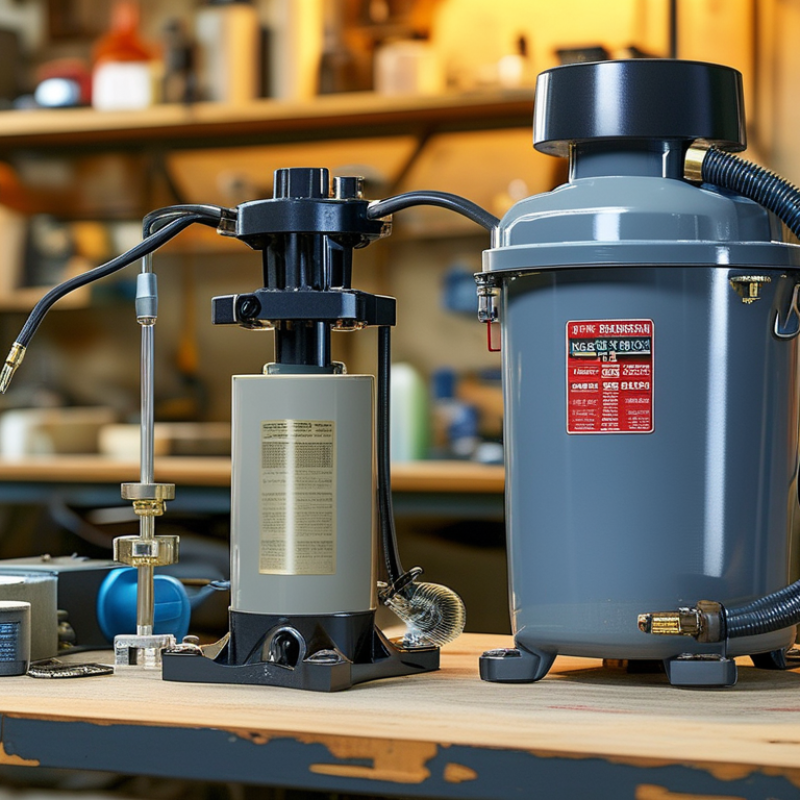
A low purchase price can hide expensive electricity, oil, seals, and unexpected downtime. In my field experience, value begins with the process, not the catalog discount. Check the required vacuum level. Confirm the necessary pumping speed. Match the pump to your duty cycle. Inspect gas compatibility and construction materials. A pump that struggles every hour may consume more than it saves.
Measure energy use during normal operation. Estimate maintenance costs over three years. Check replacement-part availability before ordering. Review noise and heat near operators. Ask for clear performance data, service intervals, and warranty terms. Reliable documentation matters. So does practical technical support. If the supplier cannot explain operating limits, pause before buying.
Consider installation space, connection sizes, controls, and future expansion. Test whether the pump can handle moisture, particles, or frequent starts. These small details often decide real-world value. I once favored a cheaper unit and underestimated cleaning time. That mistake was measurable. It also changed how I compare equipment.
Do not trust one impressive specification. Request application references or a controlled trial when possible. Compare total ownership cost, not only the invoice. A slightly higher initial price may reduce stoppages and labor. Still, every process is different. Even careful estimates can miss unusual contamination or seasonal demand. Leave room for that uncertainty.
Choosing the best-value vacuum pump begins with process demands, not the invoice.
A rotary-vane pump suits clean, continuous vacuum work, but oil vapor may contaminate sensitive chambers. A dry scroll or screw design reduces that risk. Diaphragm pumps fit corrosive gases and modest flow. Liquid-ring pumps tolerate moisture, although water use needs attention.
I match ultimate pressure, pumping speed, inlet load, gas composition, duty cycle, and maintenance access. Small details matter. A pump rated at 100 m³/h may deliver much less at your operating pressure. Check performance curves, not catalogue endpoints.
The U.S. Department of Energy’s Improving Pumping System Performance sourcebook reports that pumping systems can consume up to 25% of industrial motor electricity. Vacuum equipment is only one part, but inefficient selection still increases plant energy use.
The IEA’s Energy Efficiency 2023 report places industry at about 37% of global final energy demand. That makes standby losses and frequent regeneration worth measuring.
I record actual pressure, cycle time, leak rate, and annual service hours before comparing bids. Then I calculate total cost over five years. Include oil, seals, filters, cooling water, electricity, downtime, and disposal.
ISO 21360 test methods support more consistent vacuum-performance comparisons. Ask for data at the intended inlet pressure and gas load. Do not accept only the lowest ultimate-pressure figure. It can mislead.
I have occasionally chosen a larger pump too quickly. Oversizing can increase energy use and cycling. A smaller staged system may work better, but transient demand must be checked. A one-week trial can expose vapor carryover, noise, and thermal problems before installation.
10 Tips to Choose the Best Value Vacuum Pump
Tip 1: Match capacity to the system’s real gas load, not the largest advertised flow. Tip 2: Check pumping speed at your working pressure. Tip 3: Compare ultimate vacuum and operating vacuum separately. ISO 21360-1 recommends standardized performance measurements, improving comparisons between test reports. A pump reaching a deep vacuum may still recover slowly after frequent chamber loading.
Tip 4: Inspect wetted materials against solvents, moisture, and process vapors. Tip 5: Confirm seal and lubricant compatibility. Tip 6: Request noise, heat, and maintenance data. Stainless steel may resist corrosion, but it does not solve every chemical exposure problem. That detail is often overlooked.
Tip 7: Compare energy input at the required pressure, not only motor horsepower. Tip 8: Calculate annual electricity cost from measured operating hours. The U.S. Department of Energy’s Improving Pumping System Performance sourcebook identifies oversizing and poor control as common pumping-system efficiency losses. Its lessons apply, with caution, to vacuum installations. Tip 9: Review standby and variable-speed behavior. Tip 10: Include filters, oil changes, seals, and disposal in lifecycle cost. The International Energy Agency reports that industrial efficiency depends heavily on equipment operation and system management, not equipment choice alone. A smaller pump can waste energy if it runs continuously. Verify the numbers under your actual load.
10 Tips to Choose the Best Value Vacuum Pump
Evaluate maintenance needs, reliability, and total ownership cost before comparing purchase prices. In field inspections, I have seen inexpensive pumps become costly within months. Tip one: match the pump to your required vacuum level and duty cycle. Tip two: check oil, filter, seal, and belt replacement intervals. Tip three: estimate technician hours for every scheduled service. Tip four: inspect access points before installation. Awkward maintenance creates hidden labor costs.
Tip five: review reliability data under conditions similar to yours. Ask about continuous operation, heat, dust, and moisture. Tip six: confirm spare parts availability and realistic delivery times. A low-cost pump is useless during a long shutdown. Tip seven: examine warranty terms, exclusions, and service support. Tip eight: calculate energy consumption across a full operating year. Small efficiency differences can become significant. Tip nine: include oil, filters, repairs, disposal, and training in the ownership estimate.
Tip ten: compare total cost over five years, not just the invoice. Use your actual operating hours and electricity rates. A simple spreadsheet often exposes misleading savings. I once underestimated cleaning labor, and the estimate failed badly. That mistake still matters. Reliability is also affected by installation quality, ventilation, and operator habits. Leave a maintenance log beside the pump. Record noise, temperature, vibration, and service dates. These details support better decisions and reveal problems early. Perfect forecasts are impossible, but transparent assumptions make them more trustworthy.
| Tip | Evaluation Dimension | What to Check | Practical Benchmark or Typical Data | Maintenance Impact | Reliability Indicator | Total Ownership Cost Consideration |
|---|---|---|---|---|---|---|
| 1 | Match the Pump to the Required Vacuum Level | Compare ultimate pressure with the actual operating pressure, not just the published minimum. | For rough vacuum applications, a pump rated around 1–10 mbar may be sufficient. Laboratory and process applications may require approximately 10-3 to 10-6 mbar, depending on the process. | Correct sizing reduces overheating, excessive cycling, and unnecessary wear. | High when operating within the rated range | Avoids paying for unnecessary performance and reduces energy use. |
| 2 | Verify Pumping Speed at the Operating Pressure | Review the pumping-speed curve rather than relying only on the nominal displacement figure. | A pump may deliver substantially less than its free-air displacement at deeper vacuum levels. Confirm the required flow in m³/h or CFM at the target pressure. | Correct capacity prevents long run times and excessive oil or seal degradation. | Stable speed across the working range is preferred | Undersized equipment can increase electricity and production downtime costs. |
| 3 | Assess Gas and Vapor Compatibility | Identify corrosive, reactive, dusty, solvent-laden, or water-vapor-heavy gases before selecting the pump. | Wet processes may require gas ballast, condensate handling, chemical-resistant materials, or a dry pump design. | Incompatible gases can contaminate oil, damage elastomers, and shorten service intervals. | Process compatibility is more important than maximum specifications | A higher purchase price may be justified if it prevents frequent repairs and contamination. |
| 4 | Compare Routine Maintenance Requirements | List oil changes, filter replacement, seal inspection, bearing service, and cleaning requirements. | Oil-sealed pumps commonly require periodic oil checks and replacement; dry pumps may reduce oil handling but can still require filter, diaphragm, vane, or bearing service. | Choose designs with accessible service points and clear maintenance intervals. | Fewer consumables and simpler servicing generally improve availability | Include labor hours, consumables, disposal fees, and planned service downtime. |
| 5 | Check Expected Service Life | Review the rated duty cycle, bearing arrangement, sealing system, and operating temperature limits. | Continuous-duty equipment should be explicitly rated for continuous operation. Service life varies widely with load, contamination, inlet pressure, and maintenance quality. | Operating below temperature and load limits usually reduces wear. | Continuous-duty rating and thermal protection are strong indicators | Longer service intervals can offset a higher initial purchase price. |
| 6 | Evaluate Energy Consumption | Compare motor power, control method, operating hours, and performance at the actual working pressure. | Small laboratory pumps may use less than 1 kW, while industrial systems can require several kilowatts or more. Actual energy cost depends on duty cycle and local electricity rates. | Proper ventilation and clean filters help maintain motor efficiency. | Thermal protection and efficient motor operation are beneficial | Annual energy cost = power in kW × operating hours × electricity price. |
| 7 | Review Noise and Vibration Levels | Check stated sound pressure, vibration control, mounting requirements, and installation location. | Many general-purpose pumps operate approximately between 55 and 75 dB(A), although values vary by pump type, speed, load, and measurement distance. | Excessive vibration can accelerate coupling, bearing, and seal wear. | Low vibration supports longer component life | Quieter operation may reduce enclosure, isolation, and workplace-control expenses. |
| 8 | Confirm Spare Parts and Service Availability | Check availability of seals, filters, oil, diaphragms, vanes, bearings, repair kits, and technical documentation. | Common service parts should have clearly defined part numbers and reasonable lead times. Critical applications should maintain essential spares on site. | Fast access to parts reduces unplanned downtime. | Documented service procedures improve maintainability | Calculate inventory carrying cost and the financial impact of extended downtime. |
| 9 | Consider Controls and System Integration | Evaluate pressure switches, variable-speed control, overload protection, remote monitoring, and connection standards. | Automatic control can reduce unnecessary runtime. Variable-speed operation is useful when vacuum demand changes significantly during the process. | Soft starts and demand-based operation can reduce mechanical and thermal stress. | Built-in protection improves fault detection and operational consistency | Automation may increase initial cost but reduce labor and energy expenses. |
| 10 | Calculate Total Cost of Ownership | Combine purchase price, installation, energy, consumables, maintenance, repairs, downtime, and disposal costs. | Use a 3–5 year comparison period and model realistic operating hours, service intervals, electricity prices, and expected replacement parts. | Reliable maintenance records improve the accuracy of future cost estimates. | Choose the lowest long-term risk, not simply the lowest purchase price | TCO = acquisition + installation + energy + maintenance + repairs + downtime − residual value. |
When choosing a vacuum pump, supplier support can matter as much as pumping speed. Ask how quickly technical staff answer service questions. Request installation guidance, maintenance schedules, and troubleshooting instructions before placing an order. A dependable supplier should provide clear contact channels, replacement-part availability, and trained support personnel. Ask whether support continues after the sale.
Read the warranty carefully, not just the coverage period. Check whether it includes labor, shipping, seals, motors, and control components. Some warranties exclude damage caused by incorrect oil, poor installation, or unsuitable operating conditions. Ask for these exclusions in writing.
Also confirm the repair process, expected response time, and whether loan equipment is available. I once focused too heavily on price and overlooked shipping costs for a small replacement part.
Product safety requires practical evidence. Request a complete manual, electrical ratings, grounding instructions, and verified protection features. Thermal overload protection, guarded moving parts, and suitable exhaust filtration can reduce workplace risks. Check whether the pump has been tested for your voltage, environment, and required pressure range. Certificates should be traceable and current, rather than copied images with unclear dates. Inspect the serial plate and packaging when the pump arrives. Photograph any damage immediately. It feels excessive, but it can prevent a frustrating warranty dispute.
We’re here to help and answer your questions.