Top 10 Aluminium Solutions for Global Buyers Today?
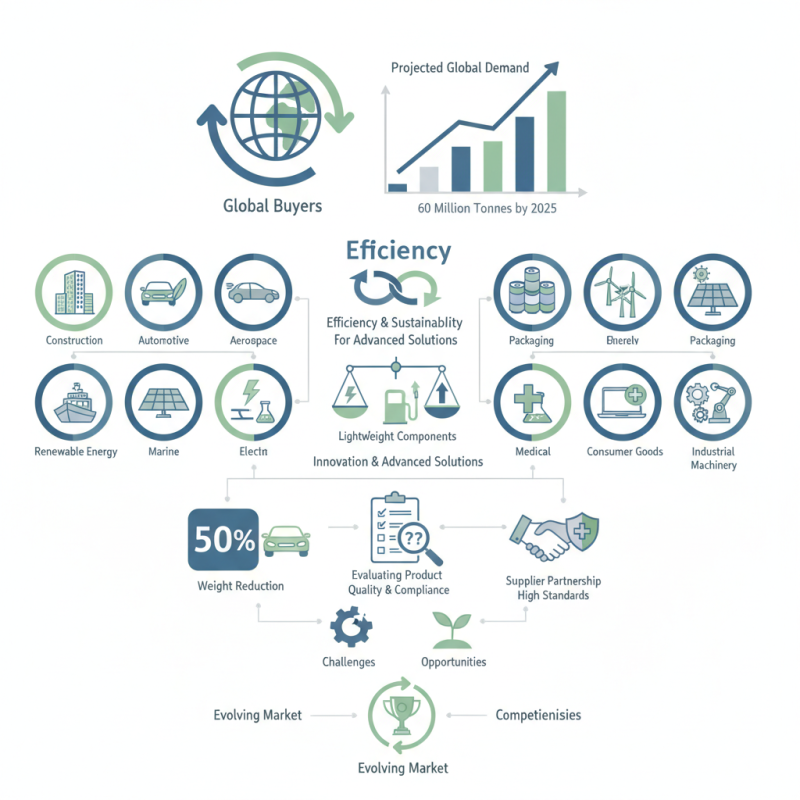
In today's competitive landscape, global buyers face pressing demands for innovative aluminium solutions. The International Aluminium Institute reports that global demand for aluminium is projected to reach 60 million tonnes by 2025. This growth underscores the necessity for efficient and sustainable aluminium products. Industries are now prioritizing suppliers who offer advanced solutions tailored to their unique needs.
Aluminium solutions encompass a wide range of applications, from construction to automotive. For instance, lightweight aluminium components can enhance fuel efficiency in vehicles. A well-known study indicates that replacing steel with aluminium can reduce vehicle weight by up to 50%. These benefits illustrate why companies are increasingly seeking out cutting-edge aluminium solutions.
However, not all suppliers meet high standards. Many buyers face challenges when evaluating product quality and compliance. This creates opportunities for reflection and growth. Buyers must delve deeper into supplier capabilities to ensure they choose the right partner. The pursuit of the best aluminium solutions is essential for maintaining competitiveness in an evolving market.
Innovative Aluminium Alloys for Industrial Applications
Aluminium alloys are crucial in various industrial applications, offering strength, lightweight characteristics, and resistance to corrosion. Innovative solutions are emerging in this field, allowing manufacturers to optimize their processes. The latest advancements in aluminium metal technology enhance performance and sustainability.
One notable development involves super-strength aluminium alloys. These materials exhibit significant improvements in yield strength and ductility. They are designed for critical applications, such as aerospace and automotive industries. However, their production can be complex and costly, requiring careful consideration of processes.
Another exciting area is the creation of aluminium alloys that combine multiple elements. Alloys that incorporate magnesium and silicon are becoming more popular. They provide excellent weldability and formability, making them suitable for fabricating intricate components. Yet, challenges in balancing strength and weight remain, urging continuous research. As aluminium solutions evolve, the potential for more eco-friendly options is also growing.
Sustainable Aluminium Sourcing and Environmentally Friendly Practices
The aluminium industry is rapidly adopting sustainable sourcing strategies. A recent report from the International Aluminium Institute highlights that the global aluminium production generates about 1.1 billion tonnes of CO2 annually. This figure has prompted many companies to seek innovative ways to reduce their carbon footprint.
Recycling is a key focus area. Research indicates that recycling aluminium saves up to 95% of the energy required for primary production. Moreover, according to the European Aluminium Association, the recycling rate of aluminium packaging in Europe reached 74% in 2021. This statistic underscores the potential for enhancing sustainability practices within the industry.
Yet, not all efforts are perfect. Many suppliers still face challenges in tracking their supply chain emissions. Transparency remains an issue. Without proper oversight, some companies may unintentionally source from less sustainable operations. Industry experts emphasize that continuous improvement and commitment to responsible sourcing are essential. Enhanced data reporting and verification methods can drive better practices in aluminium sourcing.
Market Trends Influencing Aluminium Prices and Demand Globally
The aluminium market is experiencing rapid shifts. Various factors influence both prices and demand globally. Increased infrastructure projects drive up aluminium needs. Sectors like construction and automotive are primary consumers. More companies are investing in sustainable materials, giving a boost to aluminium's appeal.
Economic changes also play a crucial role. Inflation and supply chain disruptions have created uncertainty. These factors can lead to fluctuating prices, causing challenges for manufacturers and buyers alike. Buyers must stay informed about international trade policies. Tariffs and quotas can significantly impact availability and costs.
Sustainability trends are reshaping the landscape. There is a growing emphasis on recycling aluminium. This push encourages innovation and efficiency in production. However, the environmental impact of mining remains a concern. A balance between environmental responsibility and economic viability is essential in navigating this complex market.
Top 10 Aluminium Solutions for Global Buyers Today
| Solution |
Primary Application |
Current Price (USD/kg) |
Global Demand Trend |
Key Market Drivers |
| Lightweight Alloys |
Aerospace |
3.50 |
Increasing |
Fuel efficiency regulations |
| Extruded Profiles |
Construction |
2.80 |
Steady |
Infrastructure development |
| Aluminium Foil |
Packaging |
4.00 |
Growing |
Sustainability trends |
| Aluminium Sheets |
Automotive |
3.20 |
Robust |
Lightweight vehicle design |
| Cast Alloys |
Manufacturing |
3.70 |
Stable |
Industrial automation |
| Aluminium Composite Panels |
Architecture |
5.00 |
Increasing |
Urbanization |
| Forged Aluminium |
Sports Equipment |
3.80 |
Strengthening |
Performance enhancements |
| Aluminium Wire |
Electrical |
2.50 |
Growing |
Renewable energy expansion |
| Recycled Aluminium |
General Use |
2.30 |
Increasing |
Circular economy initiatives |
| Aluminium Railing Systems |
Safety |
3.10 |
Stable |
Regulatory requirements |
Key Applications of Aluminium Across Various Industries
Aluminium has become a vital material across various industries. Its lightweight nature and excellent durability make it a preferred choice. In the automotive sector,
aluminium use has increased by over 40% in the past decade. This shift is primarily due to sustainability concerns and the demand for
fuel-efficient vehicles. The aerospace industry also benefits from aluminium's properties, with nearly 70% of an aircraft's structure made from this metal.
In construction, aluminium's versatility shines. It is commonly used for window frames, roofing, and cladding. According to a recent market report, the global
construction aluminium market is poised to reach $160 billion by 2025. Innovative designs and eco-friendly solutions are driving this growth.
However, there are challenges in recycling and waste management that need addressing.
Tip: Focus on sustainable sourcing when choosing aluminium. It impacts the environment positively. Ensure your suppliers
prioritize ethical practices.
Aluminium's role in electronics is also noteworthy. With an increasing trend towards lightweight devices, aluminium is favored for smartphones and laptops. It
provides strength while reducing overall weight. Yet, companies must reflect on the energy consumed during production. Advanced recycling processes could
enhance overall efficiency.
Tip: Consider investing in aluminium alloys. They can offer improved performance in specific applications, enhancing
overall product quality.