Top 10 Applications of Aluminium Extrusion in Modern Industry?

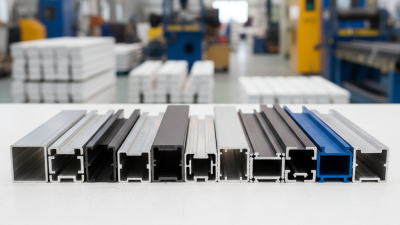
Aluminium extrusion is a vital process in modern manufacturing. It involves shaping aluminum by forcing it through a die. This method produces components with specific cross-sectional profiles. The versatility of aluminium extrusion makes it essential in various industries.

Many sectors utilize aluminium profiles for their lightweight yet strong characteristics. For instance, the automotive industry benefits from reduced vehicle weight. This leads to better fuel efficiency. In construction, aluminum extrusions are used for window frames and structural supports. Their resistance to corrosion enhances durability.

However, the industry must address challenges like energy consumption. Innovations in extrusion technology aim to reduce environmental impacts. Understanding these applications helps industries optimize their use of aluminium extrusion. It is crucial to keep exploring new possibilities for efficiency and sustainability.
Top 10 Applications of Aluminium Extrusion in Modern Industry?

Applications of Aluminium Extrusion in the Construction Industry

Top 10 Applications of Aluminium Extrusion in Modern Industry?

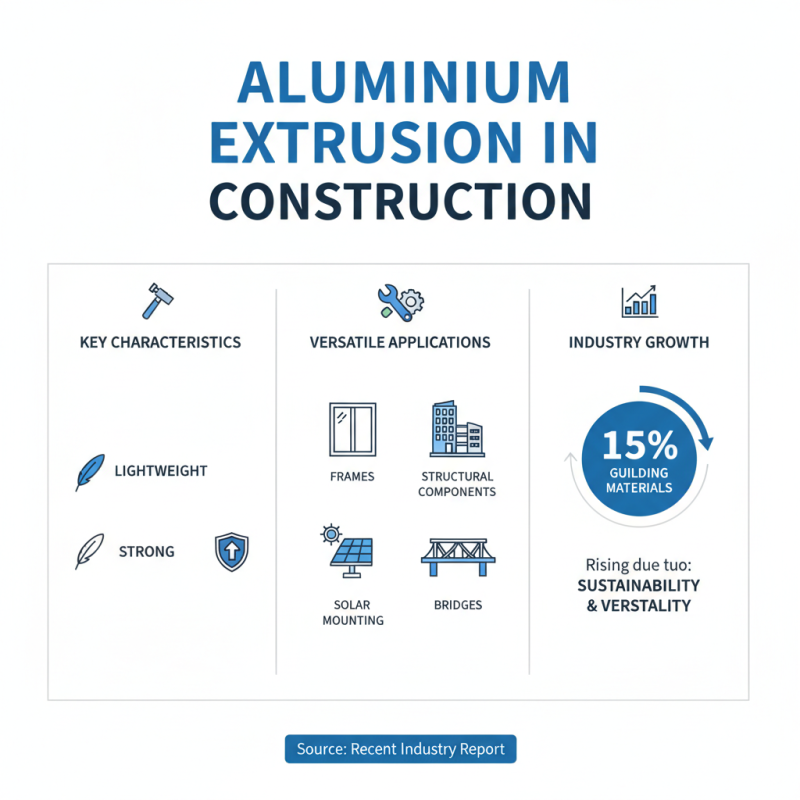
Aluminium extrusion plays a crucial role in the construction industry. Its lightweight and strong characteristics make it ideal for various structural applications. According to a recent industry report, aluminium accounts for approximately 15% of total building materials used globally. This proportion continues to rise, driven by the material's sustainability and versatility.

In modern construction, aluminium extrusion is widely used in window frames, curtain walls, and roofing systems. These components benefit from aluminium’s resistance to corrosion. This property ensures longevity, requiring less maintenance. Reports indicate that buildings built with aluminium can achieve up to a 10% reduction in energy costs. The lightweight nature adds benefits during transportation and on-site handling, reducing labor requirements significantly.

However, the construction industry faces challenges with aluminium extrusion. The initial costs can be higher than traditional materials. Additionally, recycling practices are not universally adopted, leading to waste. These issues highlight the need for better strategies to embrace a circular economy in construction. As demand rises, addressing these shortcomings will be vital for the industry's growth.
Innovative Uses of Aluminium Extrusion in Automotive Manufacturing

Top 10 Applications of Aluminium Extrusion in Modern Industry?

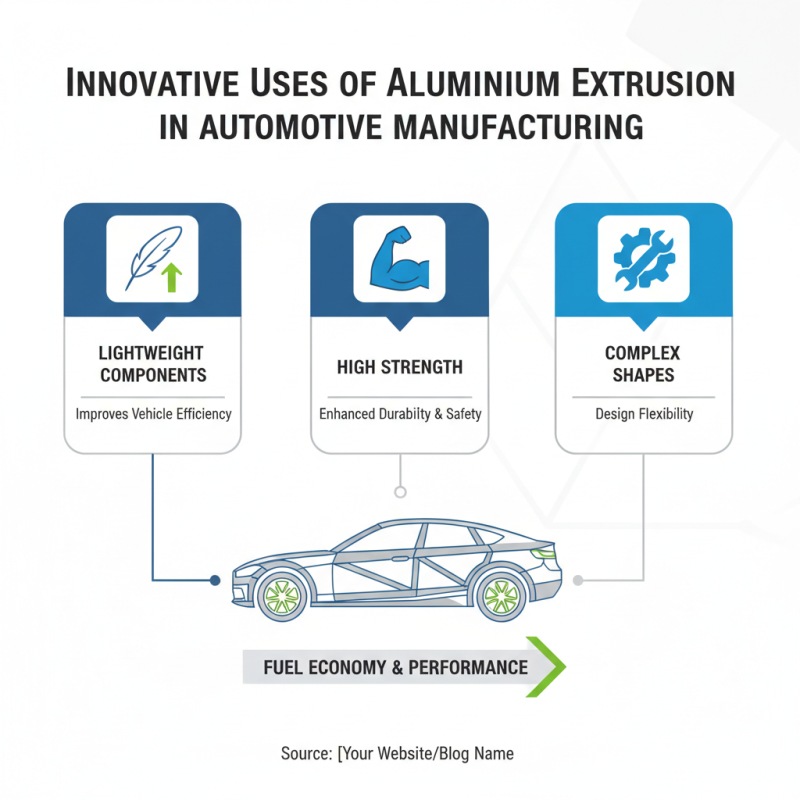
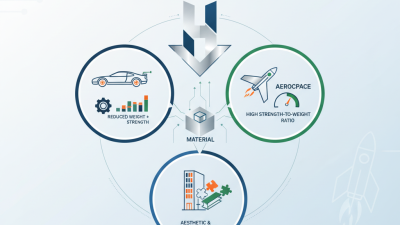
Aluminium extrusion plays a crucial role in automotive manufacturing. This process creates lightweight, strong components that improve vehicle efficiency. Car manufacturers are increasingly turning to aluminium because it reduces overall weight. A lighter vehicle means better fuel economy. Extruded aluminium can be shaped into intricate designs, allowing for creativity in engineering.

Innovative uses include structural parts, chassis components, and body panels. The exceptional strength-to-weight ratio of aluminium enhances safety features. However, challenges exist. Extrusion requires precise molds, which can be costly and time-consuming. Not all designs translate easily into extruded shapes. These factors can lead to production delays and higher expenses.

Despite these hurdles, the automotive industry embraces aluminium extrusion. It offers numerous benefits, from improved performance to sustainability. Recycling aluminium is relatively easy, aligning with eco-friendly practices. The demand for light, efficient vehicles rises every year. Car manufacturers must navigate the complexities of aluminium extrusion to meet market needs.

Role of Aluminium Extrusion in Electrical and Electronics Equipment

Aluminium extrusion plays a vital role in the electrical and electronics sector. This process allows for precise fabrication of lightweight yet durable parts. The global market for aluminium extrusions in electronics is projected to grow by over 5% annually, according to industry reports. This growth is driven by the demand for energy-efficient components.

Extruded aluminium is often used in heat sinks, enclosures, and frames for various devices. Its thermal conductivity is higher than many materials, making it ideal for dissipating heat in electronic devices. For instance, a well-designed heat sink can improve device efficiency by up to 20%. Moreover, aluminium's resistance to corrosion extends the lifespan of these components.

**Tip:** Ensure proper design practices when using aluminium. Wrong dimensions can lead to inefficiencies. Consider both weight and strength in your designs.

Despite its many benefits, aluminium extrusion is not without challenges. The initial setup costs for extrusion dies can be high. Additionally, complex shapes may require additional machining steps. These factors can increase production time and costs. Attention to detail is essential in the design phase to avoid costly revisions.

**Tip:** Collaborate with experienced engineers. Their expertise can help navigate potential pitfalls in the extrusion process. A small oversight could result in significant waste of materials and resources.

Top 10 Applications of Aluminium Extrusion in Modern Industry

This bar chart illustrates the various applications of aluminium extrusion in the electrical and electronics equipment sector. The applications are ranked by their significance in the industry, showcasing how aluminium extrusion contributes to efficiency, sustainability, and innovation.

Benefits of Aluminium Extrusion in Packaging Solutions

Aluminium extrusion plays a vital role in modern packaging solutions. Its lightweight nature makes it a favored choice for manufacturers. The durability of aluminium helps protect products during transportation. Custom shapes enhance aesthetics and functionality. This versatility allows for better use of space in packaging.

One major benefit of aluminium extrusion is its recyclability. It can be repurposed multiple times, reducing waste. This eco-friendly aspect appeals to consumers seeking sustainable options. Packaging that utilizes recycled materials resonates more. Brands that focus on sustainability often attract loyal customers.

Tips: Consider the thickness of the aluminium in your packaging. A thicker gauge might offer more protection, but could add weight. Evaluate whether lightweight alternatives could meet your needs. Also, remember that while aluminium resists corrosion, it’s still essential to consider your product’s specific requirements. Keep in mind the balance between cost-effectiveness and quality when selecting aluminium extrusion for your packaging.

Top 10 Applications of Aluminium Extrusion in Modern Industry

Application Industry Benefits Key Features
Structural Components Construction Lightweight and high strength Corrosion resistance and versatility
Heat Sinks Electronics Effective thermal management High thermal conductivity
Windows and Doors Building Durability and aesthetics Customizable designs
Packaging Food and Beverage Recyclable and lightweight Enhanced barrier properties
Transportation Components Automotive Weight reduction Improved fuel efficiency
Furniture Frames Interior Design Modern aesthetics Versatile styling options
Railings Architecture Safety and visual appeal Lightweight and corrosion-resistant
Bicycle Frames Sports Strength and stability Custom shapes for performance
Signage Advertising Durability and attractiveness Customizable finishes
Machine Parts Manufacturing Precision and strength Reduces manufacturing costs

Impact of Aluminium Extrusion on Aerospace and Aircraft Components

Aluminium extrusion plays a crucial role in the aerospace industry. Components made from extruded aluminium are lightweight yet strong. This combination is vital for aircraft performance. The low density of aluminium reduces the aircraft's overall weight, thereby improving fuel efficiency.

Aircraft structures, such as fuselage frames and wing components, benefit significantly from these extrusions. They can be tailored to specific shapes and sizes, enhancing aerodynamics. Some components may be too brittle, raising questions about durability. Engineers often contemplate these challenges during design phases.

Furthermore, the cost-effectiveness of aluminium extrusion makes it appealing. It allows for large-scale production, which can lower prices. However, not all manufacturing processes yield the same quality. Manufacturers face scrutiny over tolerances and imperfections. Striking a balance between cost and quality remains a reflection point for the industry.

Enquire Now

We’re here to help and answer your questions.