Force Sensing Resistors (FSRs) have gained significant attention in the field of electronics and engineering. Their ability to measure force or pressure makes them invaluable for various applications. The technology behind FSRs is both simple and effective, often integrating seamlessly into a wide range of projects.
These sensors are increasingly used in robotics, gaming, and health monitoring systems. For example, in robotics, FSRs facilitate touch sensitivity, enabling more intuitive human-robot interactions. In the health sector, they can monitor body pressure, offering insights into patient comfort levels. This versatility showcases their importance in modern technology.
However, the choice of an FSR may not always be straightforward. Factors such as sensitivity, range, and integration difficulties often come into play. With numerous options available, understanding the specific needs of your project is crucial. Properly utilizing a Force Sensing Resistor can lead to innovative solutions and improvements in designs. After all, the right application can transform a simple idea into a functional engineering marvel.
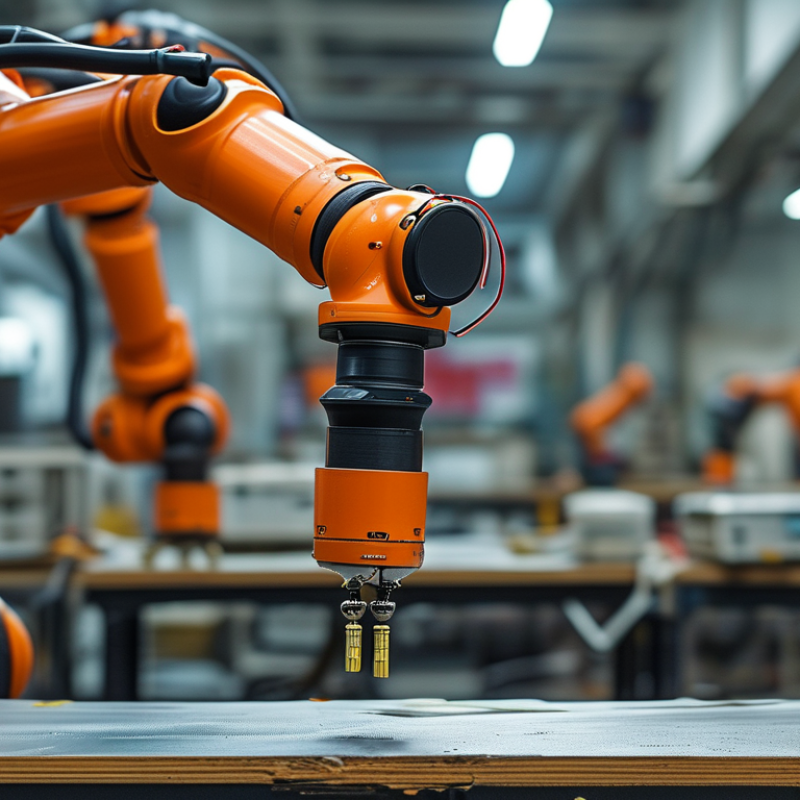
Force Sensing Resistors (FSRs) are revolutionizing robotic interaction. These sensors detect pressure changes, enabling robots to respond more naturally to human touch. In applications like robotic hands, FSRs help to grip objects with the right amount of force. This is essential for delicate tasks, where too much pressure can damage items.
In educational robotics, FSRs enhance projects by allowing students to create interactive prototypes. For instance, a simple robot can change its behavior based on the force applied to a button. This interaction cultivates a deeper understanding of sensor technology. However, FSRs are not without challenges. They can be less accurate over varying pressure ranges, which may lead to inconsistent results. Developers need to account for these variances when designing systems.
The integration of FSRs in robotic applications raises interesting questions. How can we refine the sensitivity of these sensors? Can better materials be developed to improve performance? Exploring these aspects not only enhances existing technology but also drives innovation in future robotics. Balancing precision and flexibility will be key in advancing human-robot collaboration.
Force sensing resistors (FSRs) have transformed wearable technology, particularly in health monitoring. These sensors can detect body pressure or force, making them ideal for various applications. In a recent report by the Wearable Technology Research Group, it was noted that the wearable health sector is projected to reach over $60 billion by 2025. This growth highlights the increasing use of FSRs in devices like fitness trackers and smart clothing.
Integrating FSRs into wearables is not without challenges. One significant issue is ensuring sensor accuracy under varying conditions, such as moisture or temperature changes. Many prototypes fail during rigorous testing. Despite these hurdles, enhancing precision is crucial. Researchers are exploring materials to increase resilience and functionality. Some innovative designs show promise in adapting to diverse wear and tear.
Moreover, the implementation of FSRs can improve user experience by providing real-time feedback. This real-time data can aid in monitoring vital signs or assessing physical activity. Some studies indicate that wearables with force sensors can detect subtle changes in pressure, offering insights into a user's health. However, designers must be cautious. The data collected should be secure, addressing privacy concerns that often accompany personal health devices.
Smart home devices are changing how we interact with technology. One key component in this evolution is the force sensing resistor (FSR). These sensors can detect pressure or force applied on them. This feature is beneficial for creating user-friendly interfaces.
Imagine a smart door lock system that reacts to your touch. By integrating FSRs, the device can offer tactile feedback. Users can receive a gentle vibration or light signal when the lock engages. This interaction improves security and enhances user experience.
In addition to door locks, FSRs can be used in lighting controls and smart appliances. A simple press to change the brightness of your lights or adjust oven settings can be very intuitive. However, it's essential to consider the design of these interfaces. Sometimes, excessive reliance on touch sensors can lead to frustration. Users may struggle with inconsistent responses. This issue highlights the need for careful calibration and testing to ensure reliability and responsiveness in smart home systems.
Force sensing resistors (FSRs) play a critical role in enhancing automotive safety and functionality. These sensors measure applied force, providing real-time data. This capability allows for improved driver feedback and vehicle responsiveness. For instance, FSRs can be integrated into seat cushions. This can help detect the presence and weight of passengers, aiding in the deployment of airbags.
In the automotive sector, safety is paramount. FSRs offer innovative solutions to prevent accidents. By monitoring pressure on brakes or the accelerator, these sensors can detect driver behavior. If excessive force is applied, the system can trigger alerts. This immediate feedback can potentially avoid collisions. Such technology highlights the importance of accurate force measurement in vehicles.
Tips: When implementing FSRs, consider their placement carefully. Improper installation can diminish their effectiveness. Ensure proper calibration for accurate readings. Regular maintenance checks can also enhance the reliability of the system. Keep in mind that environmental factors may affect the sensors' performance. Always reflect on the design choices made in your project.
| Application Area | Description | Benefits | Examples |
|---|---|---|---|
| Occupant Detection Systems | Used to detect the presence and weight of vehicle occupants. | Enhances airbag deployment safety and optimizes passenger protection. | Airbag Systems, Seat Sensors |
| Pedal Position Monitoring | Monitors the position of brake and accelerator pedals. | Improves vehicle response and driver control. | Adaptive Cruise Control, Brake Assist |
| Suspension Systems | Measures load and adjusts suspension dynamically. | Enhances ride comfort and vehicle stability. | Active Suspension Systems |
| Smart Seat Technology | Integrates sensors in the seat to monitor comfort and adjust accordingly. | Increases comfort, safety features, and user experience. | Heated Seats, Massaging Functions |
| Collision Detection | Detects forces during impact to trigger safety systems. | Enhances occupant safety through timely responses. | Automatic Braking, Stability Control |
Force sensing resistors (FSRs) are a versatile component for creative projects in art and design. They can add an interactive element to various installations. For instance, if you create a sculpture that responds to touch, FSRs can measure pressure and trigger lights or sounds. This interaction can deepen the viewer's emotional connection to the artwork.
In addition to sculptures, FSRs can enhance wearable art. Imagine a costume that changes color based on how tightly it's worn. Integrating FSRs into clothing provides a dynamic experience. Another exciting application is in digital canvases. By placing FSRs under a surface, you can control brush strokes in real-time, allowing artists to explore new techniques.
However, it's essential to consider the limitations of FSRs. Their sensitivity can vary based on the surface and pressure applied. Calibration may be needed to achieve consistent results. It’s a reminder that technology often requires patience and experimentation. These devices can spark creativity but demand thoughtful integration into your art projects.
We’re here to help and answer your questions.