When considering materials for construction and manufacturing, 304 Stainless Steel stands out. It combines versatility with strength, making it a favorite among many industries. This material offers impressive resistance to corrosion and oxidation, ensuring longevity in various environments.
Using 304 Stainless Steel can enhance project durability while requiring less maintenance. Many projects benefit from its weldability and formability, allowing for easy fabrication and design. Its aesthetic appeal also adds value, making it suitable for both functional and decorative applications.
However, it’s essential to consider that 304 Stainless Steel is not indestructible. While it resists rust, exposure to harsh environments can still lead to challenges. Understanding these potential downsides can help in making informed decisions. Overall, the benefits of 304 Stainless Steel are clear, yet a balanced perspective is crucial when selecting materials for any project.
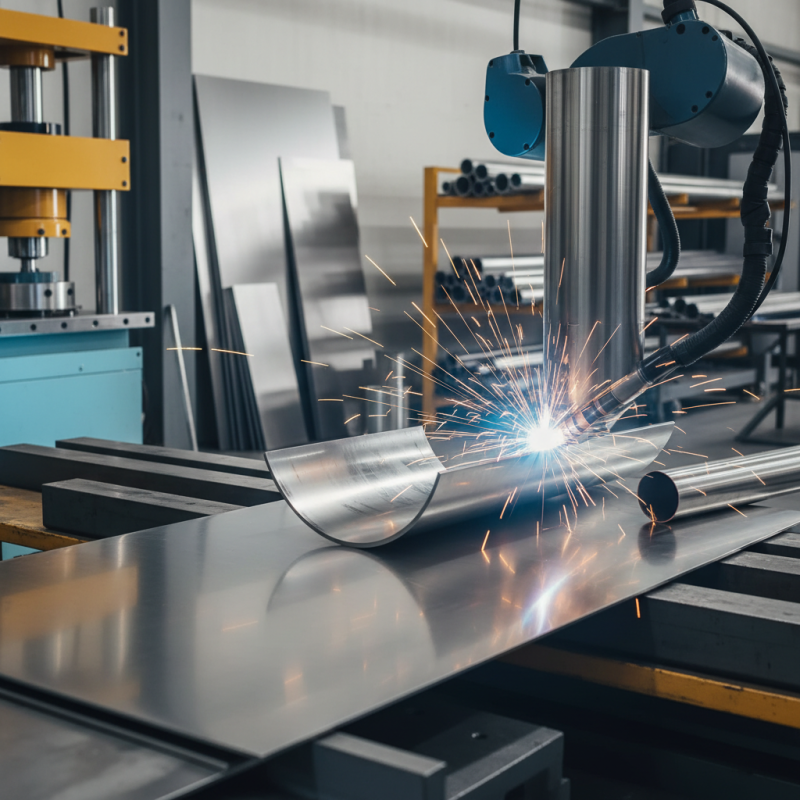
304 stainless steel is widely acknowledged for its exceptional corrosion resistance. This durability makes it a preferred choice for various applications, especially in environments prone to moisture and chemical exposure. Unlike some other metals, 304 stainless steel maintains its integrity and appearance over time. For anyone considering materials for kitchens, bathrooms, or other high-humidity areas, this grade is a strong contender.
When selecting materials, it is crucial to keep environmental factors in mind. For instance, if your project's location is near the ocean, ensure the material can withstand salty air. This enhances the longevity of your investments. Regular maintenance can further improve the performance of 304 stainless steel. Occasional cleaning helps remove accumulated contaminants that may lead to rust over time.
**Tips:** Always assess your specific project needs. Research different finishes available for 304 stainless steel. Some finishes offer extra protection against corrosion. Experiment with different grades if uncertain. Sometimes, it's necessary to reflect on the project's demands and the material's capabilities. Understanding the limitations and benefits will lead to better decision-making.
304 stainless steel is renowned for its durability and longevity in various environments. This material excels in resisting corrosion, making it suitable for both indoor and outdoor applications. According to the National Association of Corrosion Engineers, stainless steel can withstand harsh conditions, such as saltwater exposure, without degradation. This resilience helps projects last longer, reducing replacement costs over time.
Another remarkable feature of 304 stainless steel is its ability to maintain structural integrity under extreme temperatures. The American Society of Mechanical Engineers cites that this stainless steel variant performs well between -450°F to 800°F. This versatility makes it a trusted choice for industries ranging from construction to food processing. However, it’s important to recognize that even high-quality materials can succumb to localized corrosion, particularly in environments with stagnant water.
In real-world applications, 304 stainless steel has proven itself in construction, where longevity is key. A study by the Fabricators & Manufacturers Association indicates that structures using stainless steel need fewer repairs and maintenance. That said, it is crucial to monitor for signs of wear over time. While 304 stainless steel is durable, improper installation or environmental factors can still impact its performance. Regular inspections ensure that any weaknesses are addressed before they become more significant issues.
304 stainless steel stands out due to its remarkable versatility across various sectors. Its composition includes 18% chromium and 8% nickel, granting it excellent corrosion resistance and formability. According to the International Stainless Steel Forum, the construction industry has seen a steady increase in the use of stainless steel, with a 35% demand growth over the past decade. This trend aligns well with sustainable practices, as stainless steel is highly recyclable.
In the food and beverage sector, 304 stainless steel is a preferred choice due to its hygienic properties. The material can withstand rigorous cleaning protocols and does not leach harmful chemicals. A report from the Stainless Steel Development Association noted that 304 stainless steel accounts for approximately 70% of stainless steel used in food processing. However, its widespread use also raises questions about the potential for over-reliance on a single material type, sparking discussions about innovation in alternative materials.
In the automotive industry, 304 stainless steel’s adaptability is noteworthy. It contributes to weight reduction while maintaining structural integrity. Industry experts suggest it plays a crucial role in enhancing fuel efficiency. Yet, there is ongoing debate about balancing performance and the environmental impact of steel production, highlighting an area for improvement.
When considering materials for long-term projects, 304 stainless steel stands out for its cost-effectiveness. This alloy offers a balance of durability and affordability. Its resistance to corrosion prolongs the lifespan of construction, reducing maintenance costs. For projects in harsh environments, this translates to significant savings.
Tips: Always assess your project needs. Consider the specific environment and operational requirements. It’s essential to evaluate whether the initial investment in 304 stainless steel might yield better returns over time.
Furthermore, remember that while 304 stainless steel is strong, it’s not indestructible. Areas of high wear may need additional reinforcement. Monitoring structural integrity can safeguard against unexpected damages. Always be proactive; this approach saves resources in the long run.
304 stainless steel is celebrated for its aesthetic appeal and finish options. This material is available in various textures and finishes, enhancing its versatility for numerous applications. The smooth, polished surface creates a modern look that complements contemporary designs. Additionally, the brushed finish offers a more industrial feel, which is perfect for kitchens and commercial spaces.
Choosing 304 stainless steel allows for customization in appearance. Options like mirror-finish or matte can establish the desired ambiance. These finishes are not just visually pleasing; they also provide functional benefits. The non-porous surface resists staining and easy cleaning, ensuring lasting beauty. Despite its myriad advantages, some may find the upkeep of polished finishes challenging. Fingerprints and smudges can be visible, requiring regular maintenance to preserve the look.
Moreover, the longevity of 304 stainless steel adds to its appeal. It withstands corrosion and rust, prolonging the life of products. However, not all finishes are equally resistant to wear. Some may tarnish over time or require specific cleaners to maintain their luster. A thoughtful consideration of finish types can lead to better results. Overall, 304 stainless steel remains a top choice for projects prioritizing both beauty and function.
We’re here to help and answer your questions.