Top 10 Copper Terminal Types for Global Buyers to Consider?

When it comes to electrical connections, the choice of a Copper Terminal can significantly impact performance and durability. Copper terminals are vital components used in various applications, from automotive to industrial settings. Their conductivity and resistance to corrosion make them a preferred choice.

There are numerous types of Copper Terminals available. Each type serves specific needs, depending on the application and environment. Selecting the right terminal can be overwhelming. Global buyers must understand the nuances of each type. This involves considering factors like size, shape, and compatibility with existing systems.

While many terminals may seem similar, small details matter. Quality often varies across manufacturers, which can lead to performance issues. It’s essential to assess the reliability of suppliers as well. Ensuring that you choose the right type of Copper Terminal can enhance system efficiency, minimize failures, and ultimately save costs in the long run. As buyers explore options, thoughtful consideration will pave the way for informed decisions.
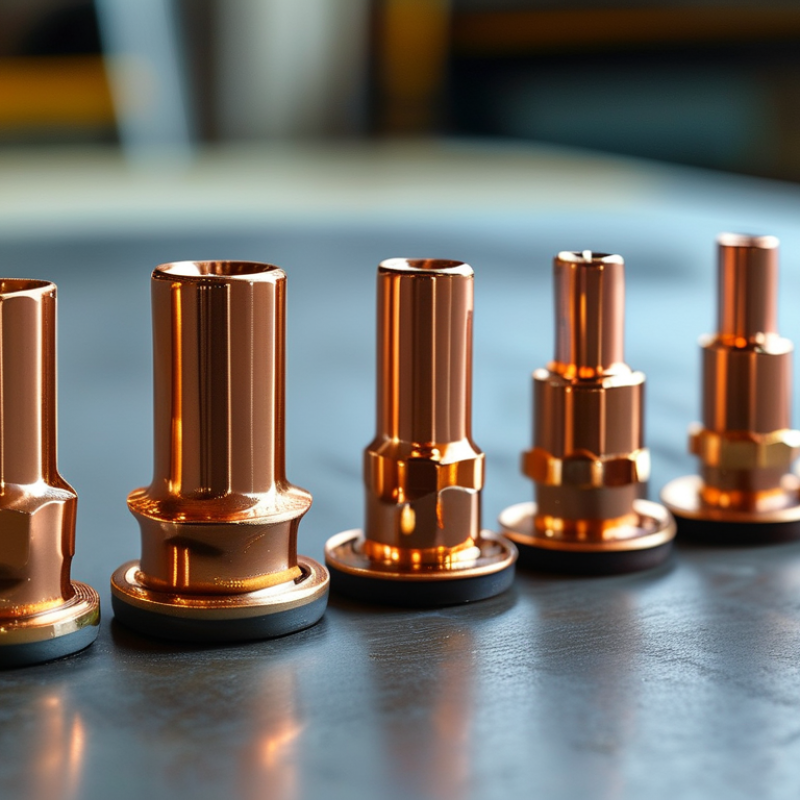
Top 10 Copper Terminal Types for Global Buyers to Consider?

Overview of Copper Terminal Types and Their Applications

Copper terminals play a vital role in various electrical applications. They provide a reliable connection between wires and components in industries such as automotive, telecommunications, and renewable energy. According to a report by Grand View Research, the global copper terminal market was valued at over $5 billion in 2022, with an expected CAGR of 5.4% from 2023 to 2030. This growth highlights the increasing importance of efficient connectivity in modern technology.

Different types of copper terminals serve specific functions. For instance, ring terminals allow for secure connections in tightly packed environments. Fork terminals offer easy disconnection, making them ideal for maintenance work. Studies show that improper use of terminals can lead to overheating and connection failures, which adds a layer of complexity to their selection. Users must evaluate the terminal type based on the application demand and environmental factors such as temperature and humidity.

Choosing the right copper terminal is critical. Misalignment in terminal selection can result in reduced electrical performance. For example, inadequate terminal size can lead to high resistance and loss of efficiency. As industries evolve, the pursuit of better materials and designs continues. In an era of rapid technological advancement, understanding the applications of diverse copper terminals is essential for making informed decisions.

Key Features to Look for in Copper Terminals

When selecting copper terminals, understanding key features is crucial for buyers. Copper terminals are essential for electrical connections. The conductivity and resistance are critical for performance. According to industry reports, copper has an electrical conductivity rating of 97%, making it a preferred choice for high-performance applications.

One feature to consider is the thickness of the terminal connections. Thicker terminals provide better resistance to wear and tear, ensuring longevity. Look for terminals that offer strain relief features. This reduces the risk of disconnection or damage under mechanical stress. Proper insulation on terminals enhances safety, especially in high-voltage applications.

Evaluate the compatibility with various wire gauges. A versatile terminal can accommodate different sizes, reducing the need for multiple types. Take note of the terminal's corrosion resistance, especially in outdoor applications. Rust can hinder performance over time, making this a key factor in your decision.

For effective installation, ensure that terminals match your application’s requirements. Incorrect sizing can lead to poor connections and energy loss. Review any specifications before finalizing your choices. Understanding these details will aid in making informed decisions. Be wary of overly complex designs; simplicity often results in reliability.

Comparative Analysis of the Top 10 Copper Terminal Types

When considering copper terminals, it’s essential to understand their various types and applications. For global buyers, knowing the right terminal type can significantly impact reliability and cost-efficiency. Common types include spade terminals, ring terminals, and fork terminals. Each type has a distinct purpose, affecting installation ease and electrical performance.

Spade terminals offer quick connections with minimal tools, while ring terminals provide secure and permanent connections. Fork terminals allow a level of flexibility, but they may not be as stable in high-vibration environments. It's crucial to evaluate the specific needs of your project. The right choice can improve operational effectiveness but choosing poorly can lead to failures and increased costs down the line.

Buyers should also consider factors like wire gauges and environmental conditions. Some terminals are designed for harsh conditions, while others are suited for indoor use. Not all terminals are equal; some may perform better in certain applications. Conducting thorough research and seeking expert advice can lead to informed decisions, reducing potential pitfalls in terminal selection.

Factors Affecting the Selection of Copper Terminals for Global Markets

When selecting copper terminals for global markets, several factors come into play. Key among these is the conductivity level of the copper used. A recent industry report highlights that copper’s conductivity exceeds 95%, making it a preferred choice for many applications. However, not all copper is created equal. Impurities can significantly affect performance and durability, necessitating careful sourcing and quality checks.

Another important consideration is the terminal type. For instance, crimped terminals are often favored in high-vibration environments due to their secure connections. In contrast, soldered terminals may work well for lower-stress applications. Data indicates that 30% of connections fail due to improper terminal selection or installation. Therefore, understanding the specific environment and demands of your application is critical.

When making your decision, consider conducting a thorough analysis of the operational environment. Assess factors such as temperature fluctuations, moisture exposure, and mechanical stresses. Ensure your selection aligns with the expected lifespan and reliability requirements of the project. Regularly revisiting these choices can reveal insights into performance improvements. It's essential to compare different terminal designs to find the most effective solution for your specific needs.

Future Trends and Innovations in Copper Terminal Technology

The copper terminal industry is undergoing significant changes due to technological advancements. Future trends emphasize a shift toward the use of thinner, more efficient copper materials. Data from a recent market research report indicates that the global copper terminal market is expected to grow at a CAGR of 5.2% through 2027. This growth is fueled by increasing demand across various sectors, including electronics and renewable energy.

Innovations in copper terminal technology are also focused on enhancing conductivity and durability. Research shows that composite materials combined with copper can improve performance and reduce weight. A study conducted by industry experts suggested that terminals incorporating these composites have a lower failure rate. This is crucial for applications in high-stress environments where reliability is paramount.

Sustainability is another critical factor driving innovation. The industry is exploring ways to reduce environmental impacts during the production process. Reports highlight that approximately 30% of copper used in terminals is recycled material. This shift towards sustainability is essential not only for compliance with regulations but also for meeting the growing consumer demand for eco-friendly products. However, the challenge remains in balancing performance and sustainability in terminal design.

Enquire Now

We’re here to help and answer your questions.