Top 10 Electric Vehicle Radiator Manufacturers You Should Know?

As the demand for electric vehicles (EVs) continues to rise, the role of efficient cooling systems becomes crucial. Key components like radiators help manage the thermal needs of EVs. This introduction delves into the leading players in the Electric Vehicle Radiator manufacturing industry.

Understanding the landscape of Electric Vehicle Radiator factories is essential for any automotive professional. Companies focus on designing and producing innovative cooling solutions tailored for EVs. Their expertise ensures high performance and reliability in the vehicles. However, not all manufacturers meet the same quality standards.

Shifting industry standards create challenges for many radiator factories. Some struggle to adapt to new technologies. Others still rely on outdated practices. Selecting the right partners requires careful consideration and research. This article highlights the top manufacturers who stand out in this competitive market.
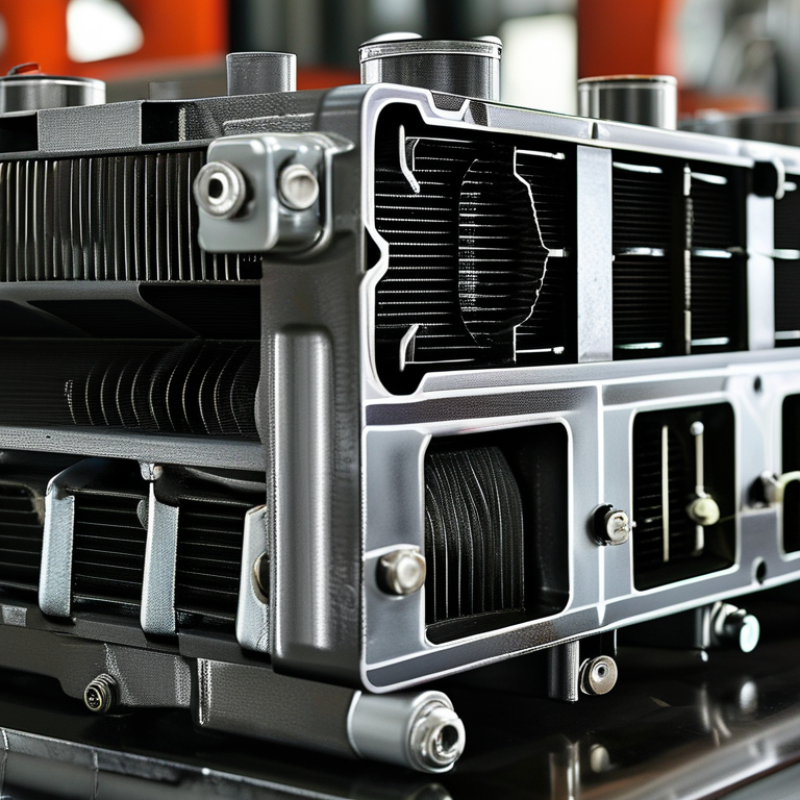
Top 10 Electric Vehicle Radiator Manufacturers You Should Know?

Top Electric Vehicle Radiator Manufacturers: An Overview

Electrifying the automotive industry, electric vehicles (EVs) are rapidly growing in popularity. With this surge, the demand for efficient cooling systems, specifically radiators designed for EVs, is becoming critical. Research indicates that by 2030, the global electric vehicle market is projected to reach over 26 million units. As such, the importance of high-quality radiators cannot be overstated.

Radiators play a pivotal role in maintaining battery temperature. Keeping batteries cool can enhance lifespan and efficiency. A recent industry report highlights that effective thermal management can improve EV performance by up to 25%. This emphasizes the need for innovative designs and materials in radiator manufacturing. Lightweight materials, like aluminum, are increasingly favored due to their excellent thermal conductivity and weight-saving properties.

Many manufacturers are exploring advanced technologies. Some are adopting methods such as 3D modeling in their designs. This evolution allows for customizable solutions to meet specific vehicle requirements. However, a challenge exists. Not all manufacturers have the same capabilities or research backgrounds. Various industry players may struggle with integrating cutting-edge designs into mass production. This inconsistency can lead to discrepancies in radiator performance across different EV models.

Market Share Analysis of Leading EV Radiator Producers

The electric vehicle (EV) market is experiencing rapid growth. This surge increases the need for efficient radiators. Radiators play a crucial role in managing the heat produced during battery operation. Recent market research indicates that the global automotive radiator market will reach $20 billion by 2025, with a significant portion dedicated to EVs.

Leading producers are focusing on innovative designs. The demand for lightweight and high-performance materials is rising. For example, aluminum is favored for its thermal efficiency. Reports show that aluminum radiator production has increased by 40% in the past three years. This shift reflects the commitment to sustainability and efficiency in manufacturing.

Tips: Consider the evolving landscape of EV components. Following trends in radiator technology can provide insights into overall vehicle performance. Pay attention to market shifts, as they can reveal opportunities for investment or business growth. Understanding these dynamics is essential for stakeholders in the automotive industry. Always stay updated with industry reports for accurate data and projections.

Technological Innovations in Electric Vehicle Radiators

Electric vehicle (EV) radiators are evolving rapidly. These components are pivotal for maintaining optimal temperatures in electric drivetrains. As the industry pushes boundaries, technological innovations are reshaping their design and functionality. Recent trends indicate a shift towards lightweight materials. This change enhances efficiency and supports longer driving ranges.

Another significant advance is the integration of smart technology. Some modern radiators now feature sensors that monitor temperature and performance. This data feedback allows for real-time adjustments. Such innovations ensure that systems operate within the optimal thermal range. This is crucial for extending the longevity of EV components.

However, challenges remain in balancing efficiency and cost. Developing cutting-edge materials can be expensive. Moreover, achieving high performance while ensuring accessibility is a constant struggle. The industry must reflect on these hurdles. Continuous improvements and collaborations are essential to drive the future of EV radiators.

Comparative Review of EV Radiators: Efficiency and Performance Metrics

The efficiency and performance of electric vehicle (EV) radiators are crucial for optimal vehicle operation. Effective thermal management ensures the battery and motor operate within ideal temperature ranges. This prevents overheating and enhances overall reliability. A well-designed radiator significantly improves energy efficiency. However, not all radiators provide the same level of performance.

Performance metrics vary among different manufacturers. Some may excel in cooling capacity, while others focus on weight reduction. Additionally, airflow management plays a vital role. A radiator with poor airflow can hinder performance, leading to overheating. Real-world testing often reveals disparities between theoretical efficiency and actual results. Measurement methods can differ, making direct comparisons challenging.

As the EV market grows, innovation becomes crucial. Manufacturers must address issues like space constraints and weight limitations. The current emphasis is on lightweight materials that do not compromise performance. However, finding the balance between durability and efficiency can be tricky. Some manufacturers struggle to meet evolving standards while maintaining affordability. This creates an opportunity for continuous improvement and re-evaluation of design approaches in the industry.

Regulatory Impact on Electric Vehicle Radiator Manufacturing Standards

The impact of regulations on electric vehicle radiator manufacturing standards cannot be overlooked. Regulatory frameworks are crucial in shaping the quality and safety of radiators used in electric vehicles. These standards ensure that materials used are both efficient and durable. They also address environmental concerns and emissions. Compliance with these regulations can reportedly increase production costs, posing challenges for manufacturers.

The shift towards electric vehicles has heightened scrutiny on manufacturing processes. Organizations and governments are establishing stricter guidelines to enhance vehicle performance. These guidelines often focus on energy efficiency and thermal management. Over time, manufacturers have had to adapt their designs to meet these evolving standards. This adaptation may lead to innovative breakthroughs, but also requires significant investment in research and development.

Manufacturers often grapple with balancing compliance and cost efficiency. Some may neglect updates, risking product reliability. The marketplace is not forgiving; subpar products can lead to recalls. The challenge lies in aligning production capabilities with these stringent requirements, all while maintaining a profit margin. Companies that embrace regulatory changes can strengthen their market position but must constantly reflect on their strategies to stay ahead.

Enquire Now

We’re here to help and answer your questions.