Top 10 Uses of Aluminium L Profile in Global Procurement?
In the evolving landscape of global procurement, the versatility and strength of Aluminium L Profiles are increasingly recognized. As industry expert John Smith once noted, "Aluminium L profiles bring efficiency and durability to diverse applications." This statement embodies the significance of aluminum L profiles in multiple sectors, including construction, automotive, and electronics.
The unique shape of an aluminium L profile maximizes structural integrity while minimizing weight. Consequently, businesses are embracing these profiles for their cost-effectiveness and adaptability. Yet, despite their advantages, some companies still overlook their potential. Failure to explore diverse applications can result in missed opportunities.
Understanding the top uses of aluminium L profiles can bridge this gap. Companies that leverage these components wisely can enhance their operational efficiency. However, a thorough investigation of sourcing methods remains essential. As demand grows, so too does the need for reliable suppliers. Companies must balance quality with cost in a competitive marketplace.
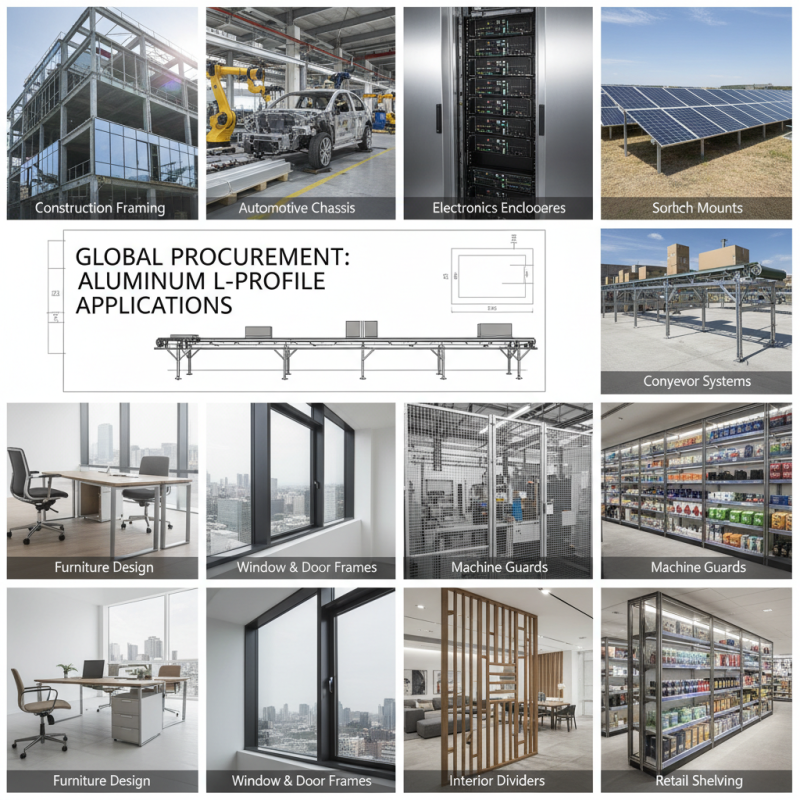
Top Applications of Aluminium L Profile in Construction Industry
Aluminium L profiles are vital in the construction sector. Their versatility and strength make them favored by engineers and architects. According to a 2022 industry report, the use of aluminium in construction projects has increased by 15% due to its lightweight nature and corrosion resistance.
Commonly, aluminium L profiles are utilized for structural support and framing. They offer durability, essential for high-rise buildings and commercial spaces. Data from the International Aluminium Institute shows that over 32% of global aluminium demand comes from construction. This highlights the material's significance in the industry.
Additionally, aluminium L profiles serve various applications, such as window frames and curtain walls. Their thermal efficiency contributes to energy savings, attracting more builders. Interestingly, while aluminium profiles bring many advantages, challenges remain. Fabrication processes can lead to waste, prompting the need for more sustainable practices. The balance between performance and environmental impact requires ongoing assessment.
Importance of Aluminium L Profile in Automotive Manufacturing
Aluminium L profiles play a crucial role in the automotive industry. Their lightweight nature makes them ideal for improving fuel efficiency. According to a recent report by the Aluminium Association, vehicles with aluminium components can achieve up to 30% better fuel economy. This is significant as automakers strive to meet stringent emission regulations.
The L profile design provides excellent structural support while being lightweight. It is used in various components, such as frames and panels. This versatility allows manufacturers to optimize production costs without compromising safety. Moreover, aluminium is 100% recyclable, making it a sustainable choice for vehicle parts, which is an increasingly important factor in modern manufacturing.
Tip: When choosing materials, consider the environmental impact. Lightweight materials like aluminium not only save fuel but also reduce overall emissions.
However, sourcing quality aluminium L profiles can pose challenges. Variability in supplier capabilities may affect the strength and durability of the final products. Ensuring rigorous quality control measures is vital. Manufacturers must also remain vigilant about fluctuating aluminium prices, affecting procurement strategies.
Tip: Conduct a thorough supplier assessment. This helps in maintaining a consistent quality in your manufacturing processes.
Role of Aluminium L Profile in Aerospace Framework Design
Aluminium L profiles play a vital role in aerospace framework design. Their lightweight properties are essential for reducing overall aircraft weight, which enhances fuel efficiency. These profiles are often utilized in structural components, providing strong support while minimizing material usage. Engineers appreciate their versatility, as they can be custom-fabricated to meet specific design requirements. However, there are challenges in ensuring consistent quality during production.
The durability of aluminium L profiles is equally crucial. They must withstand extreme conditions like varying temperatures and high pressures. While aluminium is resistant to corrosion, the production process can sometimes lead to inconsistencies. This raises concerns about the long-term performance of these elements in critical applications. Additionally, proper joining techniques are necessary to maintain structural integrity. Failure in any joint can have serious implications on safety.
Despite these potential drawbacks, the overall effectiveness of aluminium L profiles in aerospace is undeniable. Their integration into design strategies allows for innovation in crafting lightweight frames. Continuous improvement in manufacturing processes helps mitigate some of the risks. As the aerospace industry advances, the role of aluminium L profiles is likely to evolve, demanding further research and refinement.
Innovative Uses of Aluminium L Profile in Furniture Production
Aluminium L profiles have gained significant traction in furniture production. Their lightweight nature and strength make them ideal for creating modern furniture designs. According to a recent industry report, the global market for aluminium in furniture is expected to grow by 5% annually. This trend highlights the increasing preference for durable materials.
Functional designs benefit greatly from aluminium L profiles. These structures provide stability while allowing for creative versatility. For instance, an innovative use is in modular furniture systems. This allows consumers to adapt their spaces without sacrificing aesthetics. Reports indicate that modular furniture sales increased by 10% last year, showcasing consumer demand for flexible solutions.
However, not all applications are perfect. Some designers struggle with the welding techniques required for assembling L profiles. This can lead to weak joints if not executed properly. Additionally, the initial cost can deter smaller manufacturers. Despite these challenges, the trend towards sustainable, lightweight materials continues to encourage innovation in furniture design.
Sustainable Procurement Trends for Aluminium L Profile in Global Markets
As sustainable procurement gains traction, industries are increasingly focusing on eco-friendly materials, including aluminium L profiles. These profiles are lightweight, durable, and recyclable, making them an ideal choice for sustainable practices. Companies are seeking suppliers who adhere to responsible sourcing methods, promising an environmentally friendly lifecycle for products.
Purchasing aluminium L profiles comes with unique challenges. Not all suppliers follow the same sustainable practices. It's crucial to assess their certifications and track records. Transparency in sourcing helps create a responsible supply chain. This scrutiny can enhance your procurement process and positively impact the environment.
Tips for sustainable procurement:
Always request documentation on the environmental impact of your materials.
Consider suppliers who use recycled aluminium in their production processes.
Evaluate the total lifecycle of the L profiles, from production to disposal.
Balancing sustainability with cost-effectiveness is essential but not always straightforward. Many procurement professionals struggle to find the right suppliers. This requires ongoing research and collaboration with stakeholders. Sustainable procurement is not just a trend; it’s becoming a necessity for responsible business operations.
Top 10 Uses of Aluminium L Profile in Global Procurement
The above chart illustrates the top 10 applications of Aluminium L Profile in global procurement, highlighting their respective usage frequency in various industries. Construction and automotive sectors lead the adoption, showcasing the material's versatility and sustainability in modern procurement strategies.