Why Use Hose Clamps for Secure Connections in Your Projects?

In the world of engineering and DIY projects, secure connections are vital. Hose Clamps play a crucial role in ensuring that hoses remain tightly connected. According to industry expert Mark Johnson, “A quality hose clamp can be the difference between a successful project and a costly failure.” This emphasizes the significance of choosing the right hose clamp for your needs.

Hose clamps are not just simple fasteners; they provide strength and reliability. They are used in various applications, from plumbing to automotive to gardening. It’s essential to understand the different types available. The right clamp prevents leaks and promotes safety, making it a fundamental component in many projects.

However, not every clamp is suited for every task. There is a need for careful consideration. Factors like material, size, and type matter significantly. Many users overlook these details, leading to leaks or even accidents. Finding the right balance between quality and cost can be challenging. Reflection on these aspects is vital for achieving optimal results in any project.
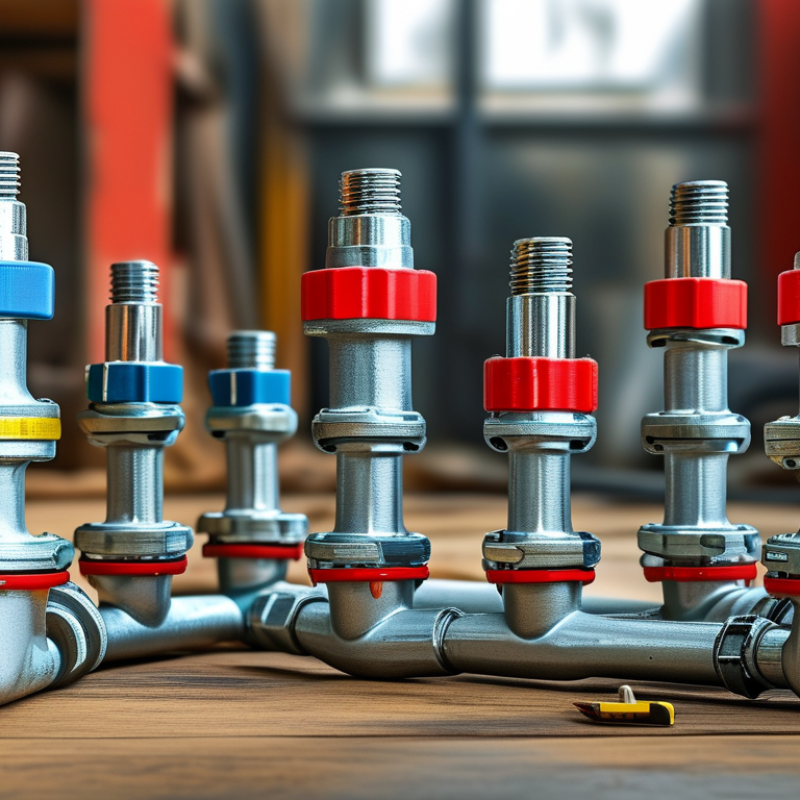
Why Use Hose Clamps for Secure Connections in Your Projects?

Understanding Hose Clamps: Definition and Functionality

Hose clamps play a crucial role in securing connections across various applications. Understanding their function can enhance project efficiency. These clamps create a tight seal around hoses, preventing leaks and ensuring fluid transfer integrity. They come in various types, including worm gear, spring, and band clamps, tailored to different needs.

A study by the Hose Clamp Manufacturers Association shows that nearly 70% of clamp failures result from improper installation. This statistic underscores the importance of selecting the right clamp and applying it correctly. For example, a worm gear clamp can accommodate varying hose sizes and provide a robust grip, while spring clamps may falter under high-pressure conditions.

Choosing the right clamp can make or break your project's success. Misalignment during installation can lead to serious leaks. Always assess the materials involved. Metal clamps work well for higher pressures, while plastic may suffice for low-pressure applications. Each project demands careful consideration of hose clamp specifications. The right choice means reliable connections and fewer maintenance issues over time.

Types of Hose Clamps: Variations and Their Uses

Hose clamps are essential for creating secure connections in various projects. They are designed to hold hoses firmly in place, preventing leaks and ensuring safety. There are several types of hose clamps, each with specific uses and benefits. The most common types include worm gear clamps, spring clamps, and wire clamps. Each type has its unique advantages in different conditions.

Worm gear clamps are popular due to their adjustable design. They offer a tight grip on various hose diameters. According to a report by Industry Research, the worm gear clamp market has seen a growth rate of 4.5% annually. This is attributed to their widespread use in automotive and industrial applications. Spring clamps, on the other hand, provide quick and easy installation. They can handle vibrations well but may not be suitable for high-pressure applications. Wire clamps are simple but useful in low-pressure scenarios. Their reliability in garden hoses and air lines cannot be overlooked.

Selecting the right hose clamp can be challenging. There is a risk of over-tightening or using the wrong type. Improper use can lead to hose damage or leaks. Many users overlook the importance of matching the clamp type to the hose application. Understanding specific needs and conditions is vital for achieving optimal performance. Each project may require a different approach, so careful consideration is necessary.

Types of Hose Clamps and Their Applications

This bar chart illustrates the frequency of usage of various types of hose clamps in projects. Worm gear clamps are the most commonly used, followed by spring clamps. Each type serves different applications based on material compatibility and pressure requirements.

Benefits of Using Hose Clamps for Secure Connections

Hose clamps play a crucial role in ensuring secure connections in various projects. They provide stability and support for hoses and tubes, preventing leaks and disconnections. These clamps are versatile. You can find them in automotive, plumbing, and even agricultural applications. Their adjustable design makes them a practical choice for different hose diameters.

Using hose clamps enhances safety in your projects. A loose hose can lead to accidents or equipment failure. The reliable grip of a hose clamp minimizes these risks, allowing for smooth operations. Additionally, they are easy to install. Most people can effectively use hose clamps without extensive tools or training, which makes them suitable for both professionals and DIY enthusiasts.

However, the selection of the right hose clamp matters. Not all clamps fit every situation. Unsuitable materials or sizes can lead to future problems. Regular maintenance and inspections are also necessary. Over time, clamps may weaken or wear out. This oversight could potentially endanger the entire project. Emphasizing thoughtful choices is essential when working with hose clamps to ensure long-lasting and secure connections.

Why Use Hose Clamps for Secure Connections in Your Projects? - Benefits of Using Hose Clamps for Secure Connections

Feature Description Benefits
Durability Made from high-quality materials that resist rust and corrosion. Long-lasting connections that maintain integrity over time.
Versatility Can be used in various applications including automotive, plumbing, and HVAC systems. Suitable for different projects, providing flexibility in design.
Ease of Use Simple installation process; no special tools required. Saves time and effort during assembly, suitable for DIY projects.
Adjustability Easily adjustable to accommodate various hose sizes and materials. Allows for custom fits and reduces the risk of leaks.
Cost-Effectiveness Inexpensive solution to maintain secure connections. Reduces overall project costs while ensuring quality.

Applications of Hose Clamps in Various Projects

Hose clamps are versatile tools widely used in various projects. They provide secure connections for hoses, tubes, and pipes. In automotive applications, hose clamps are essential for keeping coolant, fuel, and air hoses in place. A loose or damaged clamp can lead to leaks, which may cause engine problems. It’s important to check clamps regularly to avoid costly repairs.

In home improvement projects, hose clamps can support plumbing and irrigation systems. They help connect different pipe sizes and materials efficiently. However, selecting the right clamp is crucial. Not every clamp works well for every application. Using a clamp that is too tight can damage the hose, while one that is too loose may fail. Evaluating materials and sizes ensures a reliable fit.

In aquaponics or gardening, hose clamps secure tubing for water flow management. They prevent water waste and improve system efficiency. Yet, users must be mindful of corrosion issues with certain clamps. Regularly inspecting and replacing clamps can maintain a healthy system. This practice inspires consideration of long-term usage and the need for quality materials.

Best Practices for Selecting and Installing Hose Clamps

When selecting hose clamps, understanding the specific requirements of your project is crucial. Consider the diameter of the hose and the material it’s made from. Stainless steel clamps are often preferred due to their durability and resistance to corrosion. However, rubber or plastic may be sufficient for lighter applications. Always measure the hose outer diameter accurately to ensure a snug fit.

Installation is another important aspect. Ensure that the clamp is positioned evenly around the hose. An improper installation can lead to leaks or even hose failure. Tightening the clamp should be done carefully. Over-tightening can damage the hose, while under-tightening may result in a weak connection. If you notice any irregularities during installation, take a step back and reassess the setup. Check for any signs of wear, especially in older hoses, as they may require new clamps altogether.

Regular maintenance is essential. Inspect hose clamps periodically for signs of rust or deformation. This step is often overlooked but can save you from major issues later. Keeping a close eye on these details can improve the reliability of your projects.

Article Source:

Enquire Now

We’re here to help and answer your questions.