Why Choose a Small Travel Motor for Global Equipment?
Global equipment is becoming smaller, smarter, and more energy-conscious. The International Energy Agency reported more than 14 million electric cars sold worldwide in 2023. That figure reflects a wider industrial shift toward efficient power systems. Construction, agriculture, and material-handling machines face similar pressure. Buyers now examine energy use, transport weight, noise, maintenance, and operating space. A Small Travel Motor can support these priorities without sacrificing controlled movement.
Market research from MarketsandMarkets and Grand View Research continues to identify compact hydraulics, electrification, and automation as important mobile-equipment trends. These reports point toward equipment that delivers higher productivity from smaller packages. In practical terms, a compact motor can fit inside a crawler excavator track frame, reduce installation constraints, and simplify machine balancing. Its planetary reduction system can provide the torque needed for low-speed travel. Sealed housings may also help protect internal components from mud, dust, and water. Details matter here.
Smaller is not automatically better. An under-specified motor may overheat on steep ground, wear prematurely, or increase downtime. This is where engineering experience becomes essential. Engineers should compare tractive force, displacement, pressure rating, thermal limits, braking capacity, and duty cycle. They should also review service support across target markets. The World Bank’s logistics performance research shows how supply-chain reliability influences equipment ownership costs. A technically excellent motor is less valuable when replacement parts are difficult to obtain. Therefore, choosing a Small Travel Motor requires more than checking dimensions or price. It requires field data, honest load calculations, and careful validation in real operating conditions. That caveat deserves attention.
What Is a Small Travel Motor and How Does It Work?
Why Choose a Small Travel Motor for Global Equipment?
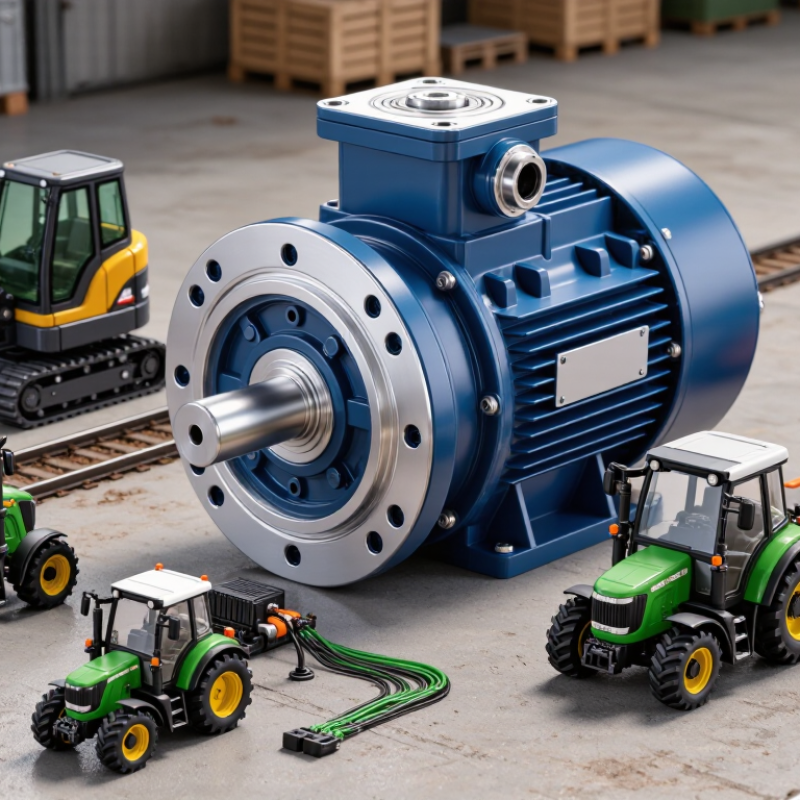
A small travel motor is a compact drive unit that moves tracked or wheeled equipment. It usually combines a hydraulic motor, reduction gearbox, and final-drive housing. Pressurized hydraulic oil enters the motor and turns an internal rotor or piston assembly. The gearbox then reduces speed and increases torque at the drive sprocket or wheel.
Compact does not mean weak.
In practical use, a small travel motor suits mini excavators, compact loaders, agricultural machines, and access equipment. Its reduced size helps engineers save frame space and lower overall machine weight. This can improve transport efficiency and make maintenance access less difficult. However, performance depends on more than motor size. Oil cleanliness, working pressure, gear quality, sealing, and cooling all affect service life. A motor that operates well on level ground may struggle on slopes or soft soil.
Field inspection matters. Listen for unusual noise, check for oil leakage, and monitor rising case temperature during repeated travel cycles. Always match displacement and torque with the machine’s weight, track width, and terrain. An undersized unit may overheat or wear prematurely. An oversized unit can waste space and energy. The “smallest possible” choice is not always the best choice. I have found that real operating conditions often expose gaps in laboratory calculations, especially when operators change speed frequently or carry uneven loads. In some applications, electric travel motors may be suitable, but hydraulic systems remain common for mobile equipment because they deliver strong low-speed torque.
Why Choose a Small Travel Motor for Global Equipment?
What Is a Small Travel Motor and How Does It Work?
A small travel motor converts hydraulic flow into controlled rotational motion for compact excavators, tracked platforms, agricultural machines, and material-handling equipment. The chart shows the theoretical motor speed at different hydraulic flow rates for three common compact displacement ranges. Speed is calculated using: RPM = Flow (L/min) × 1,000 × 90% volumetric efficiency ÷ Displacement (cc/rev). Lower displacement provides higher travel speed, while higher displacement delivers greater torque and traction.
The values represent realistic engineering calculations for compact hydraulic travel motors and may vary with pressure, load, temperature, and system efficiency.
Which Equipment Benefits from a Small Travel Motor?
Why Choose a Small Travel Motor for Global Equipment?
Which Equipment Benefits from a Small Travel Motor?
Small travel motors suit equipment that moves often but carries moderate loads. Compact excavators, mini loaders, access platforms, agricultural machines, and tracked utility carriers are common examples. Their limited size supports easier installation inside narrow chassis spaces. It also helps reduce overall machine weight.
Field experience shows clear benefits on compact excavators working in crowded construction areas. A smaller motor can improve clearance near walls, gates, and stored materials. On agricultural equipment, it supports movement across soft soil when correctly matched with track width and machine weight. Access platforms also benefit from controlled travel, especially on uneven concrete or packed gravel. Smooth movement matters.
Remote equipment faces harder conditions. Dust, rain, cold starts, and long transport distances can expose weak design choices. A reliable small travel motor should provide suitable torque, sealing, braking performance, and service access. Operators should check duty cycles, slope requirements, hydraulic flow, and expected temperature ranges before selecting one. I have seen compact motors overloaded because the machine looked small. That assumption can fail. Space savings do not replace correct calculations.
Some equipment needs more power than a small motor can safely provide. Heavy tracked carriers, steep-slope machines, and continuous-duty systems may require a different solution. Maintenance teams should also inspect hose routing and mounting alignment. Small errors become expensive problems. Selection should follow measured operating data, not appearance alone.
How Does Compact Design Improve Equipment Mobility?
A small travel motor can make global equipment easier to move, especially where roads, factory floors, and workspaces vary widely. Its compact design reduces the machine’s overall width and turning radius. Operators can maneuver between storage racks, narrow gates, and uneven construction areas with fewer corrections. Less weight may also reduce transport requirements and simplify loading. These advantages matter when equipment moves between regions with different site conditions.
Compact size does not automatically mean better performance. Engineers must match torque, speed, hydraulic pressure, and duty cycle to the machine’s actual workload. A motor that is too small may overheat on long slopes or lose traction under heavy loads. The center of gravity also deserves attention. A shorter drive assembly can improve balance, but poor installation can create uneven contact or vibration. This is where practical testing becomes important. Real surfaces often reveal weaknesses that specifications miss.
Tips:Measure the narrowest route before selecting a motor. Check turning space, axle load, and expected ground resistance. Leave room for inspection and hose access. Keep records of temperature, noise, and travel speed during testing. Compact equipment is easier to transport, but maintenance space can become limited. That trade-off is easy to overlook. A slightly larger motor may sometimes deliver more dependable service, particularly in dusty, steep, or frequently changing work environments.
What Performance Factors Should Buyers Evaluate?
Why Choose a Small Travel Motor for Global Equipment?
A small travel motor can reduce machine weight, installation space, and energy demand. However, compact size alone does not prove suitability. Buyers should compare continuous torque, peak torque, operating pressure, and displacement against real site loads. A motor may move an empty machine smoothly but struggle on steep, uneven ground. Check the required travel speed under full load. Then examine whether torque remains stable at low speed.
Efficiency also deserves close attention. High volumetric efficiency limits heat buildup and reduces hydraulic power loss. Thermal performance matters in hot construction zones and enclosed machinery frames. Ask for tested pressure ratings, duty-cycle data, and temperature limits, not only catalog figures. Sealing quality is equally important. Dust, water, and fine mud can reach exposed connections during daily operation. Robust seals and protected ports help, but maintenance access must remain practical.
Control behavior can reveal weaknesses quickly. The motor should start without harsh jerks and respond predictably during turning. Poor control increases track wear and operator fatigue. Mounting accuracy matters too. Misalignment can create vibration, noise, and premature bearing damage. No design is perfect. A lighter motor may sacrifice some overload tolerance, and that trade-off needs honest review. Buyers should also verify spare-part availability, technical documentation, warranty conditions, and service support across the intended markets. A short test on representative terrain often exposes problems that laboratory figures miss.
How Does a Small Travel Motor Support Global Operations?
How Does a Small Travel Motor Support Global Operations?
A small travel motor helps mobile equipment move efficiently across different work environments. Its compact housing saves frame space and reduces overall machine weight. This matters when equipment must travel through narrow sites, crowded yards, or uneven ground. In field applications, operators often notice smoother starts and more controlled turning. Small details matter.
Global operations also demand practical serviceability. A motor with accessible ports, clear installation guidance, and replaceable sealing parts can reduce downtime. Reliable performance depends on correct sizing, hydraulic cleanliness, and suitable oil viscosity. Climate changes can be severe, from dusty construction zones to cold storage yards. Engineers should check temperature ratings, corrosion resistance, and torque requirements before shipment. A small motor is not automatically the best choice. Undersizing it may increase heat, wear, and operator frustration. That mistake deserves more attention.
Tips
Match motor displacement to the machine’s loaded weight and operating slope. Confirm continuous and peak torque separately. Use filtration suited to the hydraulic system, not just the local workshop. Keep basic inspection records, including noise, leakage, vibration, and travel speed. Local technicians should receive simple service instructions and common spare parts. Testing under real conditions is valuable, although it may reveal assumptions made during design. A short field trial can expose turning limits, cold-start issues, or unexpected pressure loss before wider deployment.