Top Bespoke Aluminium Manufacturers for Global Buyers
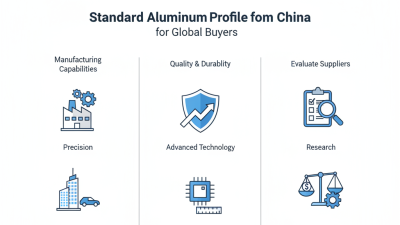
Choosing the right bespoke aluminium manufacturer can shape a project’s cost, strength, appearance, and delivery schedule. Global buyers need more than polished websites and attractive product photos. They need evidence of engineering capability, production consistency, material traceability, and dependable communication.
This guide examines leading manufacturers serving international customers with bespoke aluminium solutions. It considers extrusion, CNC machining, sheet fabrication, welding, finishing, and assembly. Practical details matter. Can a supplier hold tight tolerances across repeated batches? Can it provide alloy certificates, inspection reports, and clear packaging specifications? A reliable manufacturer should explain these points before production begins.
Experience also appears in small decisions. Strong suppliers discuss corner radii, wall thickness, surface protection, and realistic tooling costs. They may recommend a design adjustment that reduces waste or prevents distortion during anodising. That advice can save money, but buyers should still verify every technical claim.
No manufacturer is perfect. Communication may slow across time zones, and an excellent prototype does not always guarantee mass-production consistency. This is where careful evaluation becomes essential. Buyers should compare factory audits, sample quality, quality-control procedures, export experience, and after-sales support. Independent testing may also be worthwhile for demanding applications.
The manufacturers featured in this overview represent different strengths, capacities, and market focuses. Some suit architectural components, while others specialise in industrial parts or decorative finishes. By comparing these factors carefully, procurement teams can identify a dependable partner for bespoke aluminium production and build a more resilient global supply chain.
What Defines a Top Bespoke Aluminium Manufacturer?
Top Bespoke Aluminium Manufacturers for Global Buyers
What Defines a Top Bespoke Aluminium Manufacturer?
A top bespoke aluminium manufacturer begins with engineering discipline, not attractive catalogues. The team should review drawings, tolerances, alloy selection, wall thickness, and intended service conditions. It should also identify risks before production starts. A polished brochure is not proof.
According to the International Aluminium Institute, global primary aluminium production reached approximately 70.6 million tonnes in 2023. This scale makes traceability increasingly important. Reliable manufacturers can connect each batch to material certificates, heat numbers, inspection records, and process controls. They should provide dimensional reports, surface-finish checks, and mechanical test results when required. Independent audits add credibility, but they do not replace technical communication.
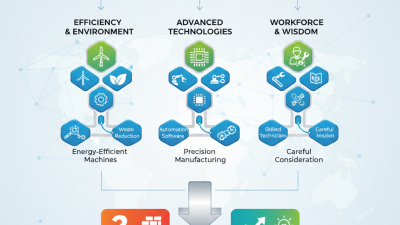
Sustainability must be measurable. The International Aluminium Institute reports that recycling aluminium requires roughly 5% of the energy used for primary production. A capable supplier should therefore discuss recycled content, scrap recovery, energy sources, and production waste openly. Ask for evidence, not slogans. Experience also appears in small details: protective film that survives long transport, packaging suited to humid warehouses, and samples tested before volume production. Still, no manufacturer is perfect. Even experienced teams can underestimate coating damage or shipping movement. Honest suppliers document those weaknesses and improve their controls.
Core Services and Customisation Capabilities
Top Bespoke Aluminium Manufacturers for Global Buyers
Core Services and Customisation Capabilities
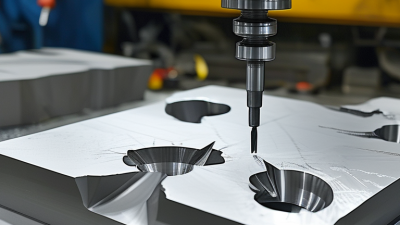
Experienced aluminium manufacturers support projects from early drawings to repeat production. Their teams review alloy selection, wall thickness, tolerances, and expected service conditions. This prevents costly redesigns after tooling begins. Common services include extrusion, CNC machining, laser cutting, bending, welding, and assembly. Some workshops also provide anodising, powder coating, brushing, and protective film application.
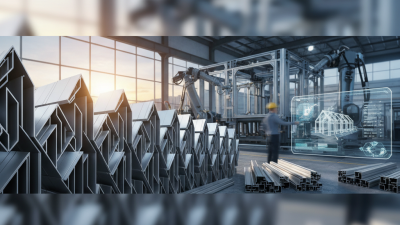
Custom tooling is central to bespoke production. Engineers can create dies for complex profiles, including channels, frames, heat sinks, and structural sections. A capable supplier should provide technical drawings before production approval. Samples then confirm dimensions, surface quality, and fit. Measurements should be recorded with calibrated equipment, not visual judgement alone. Small details matter.
Prototype support helps global buyers test installation and performance. Manufacturers may produce short runs before full-scale orders, reducing material waste and shipping risks. They should also manage export packaging, pallet protection, inspection reports, and traceable batch records. Clear communication about units, tolerances, finish codes, and delivery terms is essential. Misunderstandings still happen.
No supplier gets every brief right on the first attempt. A thoughtful manufacturer explains limitations instead of promising impossible tolerances or finishes. Buyers should ask about alloy certificates, quality checks, corrective actions, and production capacity. Factory experience is useful, but documented processes provide stronger evidence. A good partnership leaves room for revision.
Quality, Certifications, and Production Standards
Top Bespoke Aluminium Manufacturers for Global Buyers
Quality, Certifications, and Production Standards
Reliable bespoke aluminium manufacturing begins with documented process control. A capable supplier should confirm alloy grades, temper conditions, tolerances, and surface requirements before production. Clear technical drawings prevent expensive misunderstandings. Production records should also connect each batch to its raw material certificate, furnace data, and inspection results.
Look for certifications that support real manufacturing discipline, not attractive paperwork alone. ISO 9001 can indicate a structured quality system, while ISO 14001 reflects environmental management practices. Depending on the market, products may also require compliance with ASTM, EN, or other recognized standards. Ask for dimensional reports, coating thickness readings, hardness tests, and sample approvals. Small details matter. A 0.2-millimeter error can affect assembly.
Tips: Request a pilot batch before placing a large order. Check packaging, labeling, and corrosion protection during transit. Ask how rejected parts are recorded and corrected. Honest answers are valuable.
Experienced manufacturers usually explain their inspection points clearly. They may use coordinate measuring machines, spectrometers, and calibrated gauges. However, no supplier is perfect. Even a strong factory can face tooling wear, material variation, or communication gaps. Buyers should review corrective-action reports rather than expect flawless history. That habit reveals whether the manufacturer learns from problems and maintains consistent production standards.
How Global Buyers Can Evaluate and Select a Manufacturer
Top Bespoke Aluminium Manufacturers for Global Buyers
How Global Buyers Can Evaluate and Select a Manufacturer
Choosing a bespoke aluminium manufacturer requires more than comparing quoted prices. Start by checking experience with your product type, alloy, temper, and required surface finish. Ask for production samples, dimensional reports, and clear records of corrective actions. A reliable supplier should explain its extrusion, machining, fabrication, and finishing limits in practical terms. Vague promises deserve caution.
Review quality systems, material traceability, inspection equipment, and independent certification where relevant. Request a sample material certificate and confirm that batch numbers follow the product through production. Tolerances should appear on approved drawings, not only in emails. Also examine tooling ownership, maintenance plans, packaging methods, and export documentation. Small details often reveal operational discipline.
Communication matters during design changes. Can the engineering team identify weak corners, distortion risks, or unnecessary machining? Ask how they handle a failed inspection and whether they provide evidence. A video audit can show storage conditions, calibration labels, and production flow, although it cannot replace an in-person visit. No checklist is perfect. I would still test a small order before committing to large volumes. It may expose hidden costs, slow responses, or packaging damage. Delivery schedules should include realistic time for tooling, approval samples, production, inspection, and transport. Select a partner that documents decisions and admits limitations before they become expensive surprises.