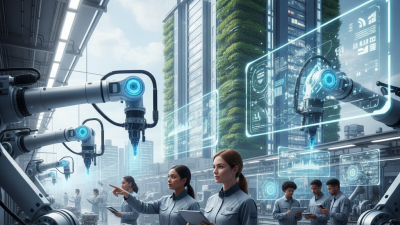
The automotive manufacturing industry is continuously evolving, driven by technology and innovation. Experts like Dr. Emily Chen, a leader in automotive engineering, emphasize the importance of staying ahead in this rapidly changing landscape. She stated, "Automation and sustainability are not just trends; they are future necessities."
As we explore the top ten trends in automotive manufacturing, it's essential to acknowledge both the potential and the challenges these trends bring. For instance, advancements in electric vehicles (EVs) reflect a shift towards sustainability. However, the transition requires significant investment and adaptation from traditional manufacturers.
Another notable trend is the rise of smart manufacturing. It promises efficiency but also raises questions about workforce displacement. The automotive sector must address these concerns while embracing innovation. Understanding these dynamics is crucial for any stakeholder in automotive manufacturing. Preparing for both opportunities and challenges will shape the industry's future.
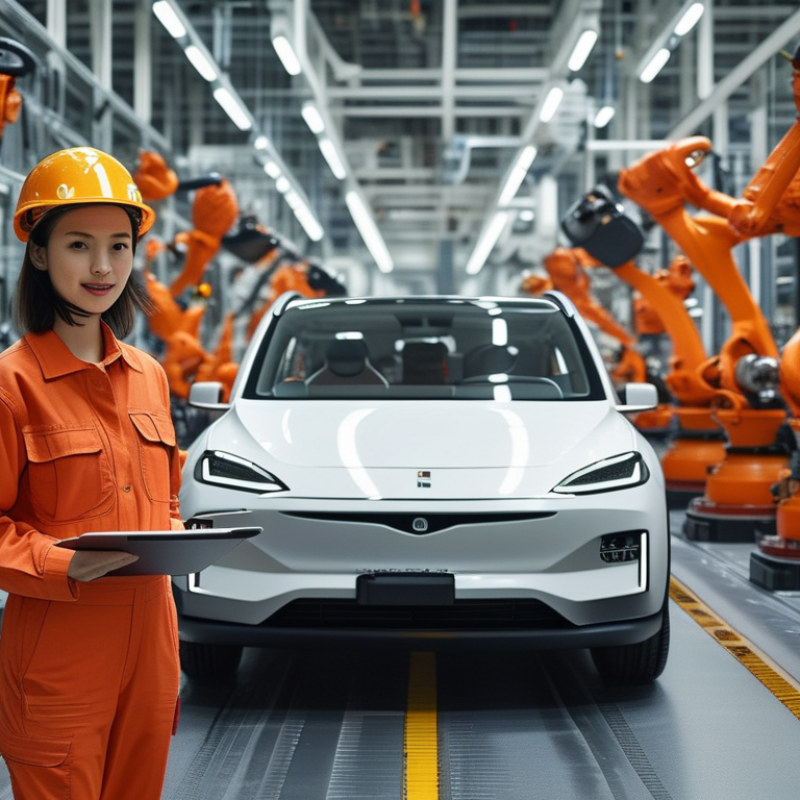
The rise of electric vehicles (EVs) significantly impacts automotive manufacturing processes. As more manufacturers shift to EV production, they must adapt their facilities and supply chains. Traditional assembly lines face challenges as they integrate new technologies and components. Factories designed for internal combustion engines need reconfiguration for electric drivetrains and battery systems. This transition can be resource-intensive and requires careful planning.
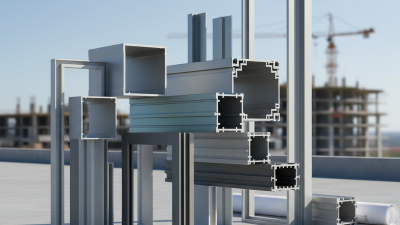
Manufacturers are also grappling with a new set of materials. EVs often use lightweight materials to enhance efficiency. The demand for advanced aluminum and carbon fiber reshapes sourcing strategies. Moreover, suppliers must innovate to meet the unique demands of EV components. This complexity raises questions about long-term reliability and cost-effectiveness.
Adopting EV production involves increased training for skilled workers. As the workforce adapts to these new technologies, gaps in expertise may emerge. Manufacturers need to invest in ongoing education and training programs. This evolution is not just about technology; it's a holistic shift in manufacturing philosophy. Building infrastructure for EVs is crucial to stay competitive. The pressure to innovate is high, but so is the potential for growth in this fast-evolving market.
| Trend | Description | Impact on Manufacturing | Year of Significant Growth |
|---|---|---|---|
| Electric Vehicles (EVs) | The rise of electric vehicles as a sustainable alternative to traditional gasoline cars. | Shift in production methods to accommodate new battery technologies. | 2020 |
| Autonomous Driving | Advancements in self-driving technology and its integration into manufacturing. | Need for enhanced robotics and AI in production lines. | 2021 |
| Sustainable Materials | Increased use of recyclable and sustainable materials in car manufacturing. | Changes in supply chain and sourcing practices. | 2022 |
| Connected Vehicles | Integration of IoT technology in vehicles for enhanced connectivity. | Software updates and data management become critical in manufacturing. | 2021 |
| 3D Printing | Utilizing 3D printing technology for prototyping and production. | Faster turnaround times and reduction in waste. | 2020 |
| Robotics in Manufacturing | Increased use of robotics for automation in manufacturing processes. | Enhanced precision and efficiency in assembly lines. | 2019 |
| Blockchain for Supply Chain | Adoption of blockchain technology to enhance traceability in supply chains. | Improved transparency and reduction in fraud. | 2022 |
| Digital Twins | Creating digital replicas of physical car manufacturing processes. | Optimization of processes through simulation and data analysis. | 2023 |
| Predictive Maintenance | Using data analytics to predict equipment failures before they occur. | Reduced downtime and maintenance costs in manufacturing facilities. | 2022 |
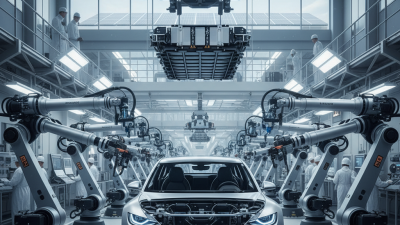
The integration of advanced robotics in automotive production processes is reshaping the industry. Robots now handle intricate tasks. From welding to assembly, they improve precision and efficiency. These machines can operate in hazardous environments, ensuring the safety of human workers. They reduce the risk of injury and streamline processes.
However, reliance on robotics can pose challenges. Initial costs for implementing these technologies are high. Companies need skilled workers to operate and maintain robotic systems. There may also be resistance from employees concerned about job security. Balancing automation and human labor is essential for sustainable growth.
Despite these hurdles, the benefits are significant. Advanced robotics leads to faster production times and higher quality outputs. Continuous improvement and innovation in robotics are necessary. The automotive sector must analyze how to integrate these technologies effectively. It requires collaboration between engineers, operators, and management. Investing in training is vital to ensure a smooth transition to this new paradigm.
The automotive industry is experiencing a significant shift towards sustainable materials. Manufacturers are increasingly exploring alternatives to traditional materials, focusing on reducing environmental impact. This shift involves using recycled plastics, natural fibers, and bio-based materials. These innovations may lower carbon footprints and energy consumption.
Recent studies show that cars produced with sustainable materials can be lighter and more efficient. For example, hemp and bamboo are being used for car interiors. These materials not only reduce weight but also provide a unique aesthetic appeal. However, challenges remain. Sourcing sustainable materials can be more expensive and complex. Manufacturers must navigate supply chain issues and ensure quality standards are met.
Consumer awareness is also on the rise. People are more conscious of how their choices affect the planet. They seek vehicles that reflect their values. That has pushed manufacturers to prioritize sustainability in their designs. Despite progress, not every manufacturer is on board. Some may still rely heavily on traditional materials, raising questions about their long-term viability. The journey towards greener manufacturing continues, but the direction is clear. The demand for sustainable practices will only grow stronger.
The chart above depicts the current usage rates of various sustainable materials in automotive manufacturing. As the industry shifts towards more eco-friendly options, recycled plastics lead with 30%, followed by recycled metals and biopolymers, illustrating a growing trend in the utilization of sustainable resources.
The automotive industry is undergoing a significant transformation through the implementation of smart manufacturing technologies and IoT solutions. These advancements are shaping production lines, making them more efficient and responsive. Smart factories leverage data analytics and machine learning to optimize processes.
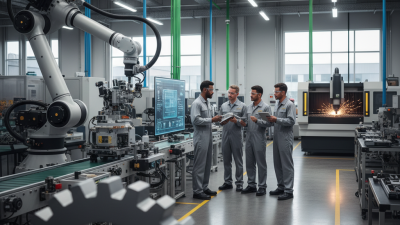
Robots work alongside human workers, enhancing productivity and reducing errors in assembly lines.
IoT solutions play a key role in this revolution. Sensors embedded in machinery provide real-time data on performance and maintenance needs. This data helps manufacturers make informed decisions, reducing downtime. However, many companies still struggle with the integration of these technologies. Training employees to adapt to new systems is often overlooked, leading to resistance. This gap in understanding can hinder the full potential of smart manufacturing.
Additionally, cybersecurity concerns arise with increased connectivity. As factories become more intertwined, they are more vulnerable to cyber threats. Manufacturers must prioritize robust security measures. Balancing innovation with protection remains a challenging but necessary endeavor. The journey toward full-scale smart manufacturing requires continuous adaptation and reflection on best practices.
The automotive industry is witnessing a significant shift toward customization and personalization. Modern consumers want vehicles that reflect their individual lifestyles and preferences. This trend influences various aspects of vehicle production, from design to technology integration.
Manufacturers are now offering a range of options, allowing customers to select features that fit their needs. This could be anything from unique color palettes to advanced tech packages. Tailored interiors and exclusive finishes are becoming commonplace. The challenge for manufacturers is balancing production efficiency with these personalized offerings. Finding this balance can be complicated and may require advanced manufacturing techniques.
Customization can enhance the buying experience, but it also leads to increased complexity in production. Companies must rethink supply chains and inventory management to accommodate diverse orders. This raises questions about scalability and long-term sustainability. Understanding consumer desires while ensuring operational feasibility is essential for success in this evolving landscape.
We’re here to help and answer your questions.